
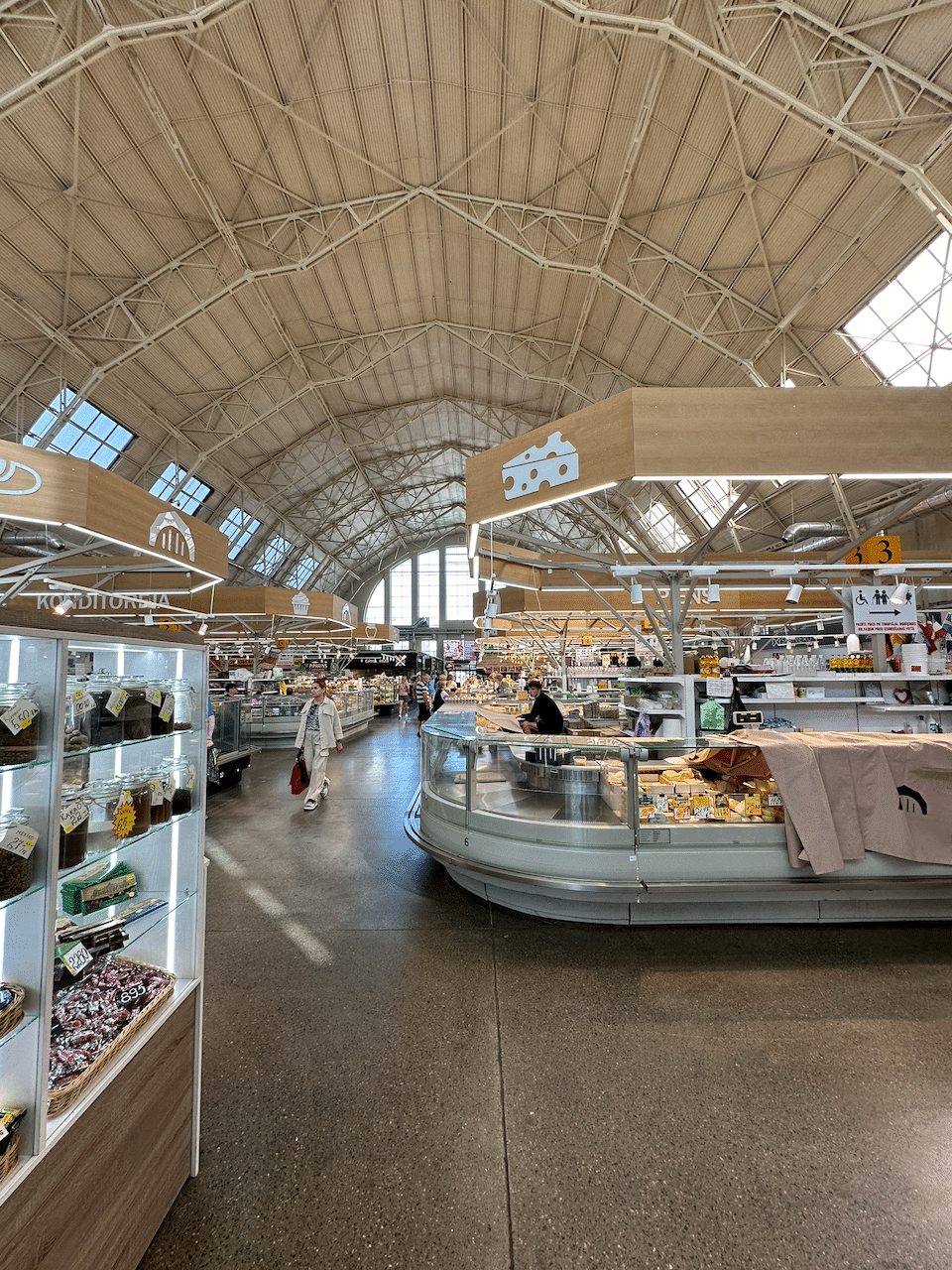
One of the biggest differences between food culture in the US and much of Europe is in how people shop, not just what they buy. In the EU people shop for food more frequently and in smaller quantities, often every few days.
Homes tend to have smaller refrigerators and less freezer space, which naturally encourages buying fresh ingredients instead of stocking up. Local bakeries, produce shops, fishmongers, and neighborhood markets are part of everyday life. It makes it easy to pick up what you need for the next meal rather than plan weeks ahead.
The habit of shopping more frequently means food moves quickly from farm to table. Many people who travel or move to the EU notice that this rhythm—fresher ingredients, simpler meals and less reliance on packaged foods— make them feel lighter and more satisfied even without consciously trying to “eat healthier.”
In the EU, food regulations follow a more precautionary approach than in the US. Ingredients generally have to be proven safe before they’re widely used, and many preservatives, colorings, and additives common in American processed foods are restricted or not allowed.
A simple example is bread. In places like France or Spain, basic bread is often just flour, water, yeast, and salt, while US grocery-store bread frequently includes added sugars, oils, and preservatives to extend shelf life.
Every time we’re in Europe we always go and check out local markets. They’re always crowded and have a wide variety of all kinds of fresh foods. One of the things we’re looking forward to is embracing the food culture and shopping more frequently with the benefit of eating less processed food.
Check out our Cost of Living page for more about the difference in prices in food between the US and Spain.