
After Moving
To Spain

After Moving To Spain: Your First Steps
Moving to Spain means two things happening at once: getting paperwork sorted and building a new daily life. Some tasks need to happen right away, others unfold over the first few months, and some can wait until you’re more settled.
Spain has more administrative steps than most Americans expect. Registering with the town hall, opening a bank account, getting a digital ID and arranging healthcare aren’t just boxes to check — they’re what unlock everything else. Once they’re in place, daily life gets much easier.
Beyond the paperwork, there’s the practical side: phone service, internet, mail, transportation and learning how things like schedules and shopping work in Spain. This section covers all of it, organized roughly in the order you’ll need it.
Start Here: Your Administrative Foundation
These are the tasks that unlock everything else. Get them done early and the rest of the transition becomes much smoother.
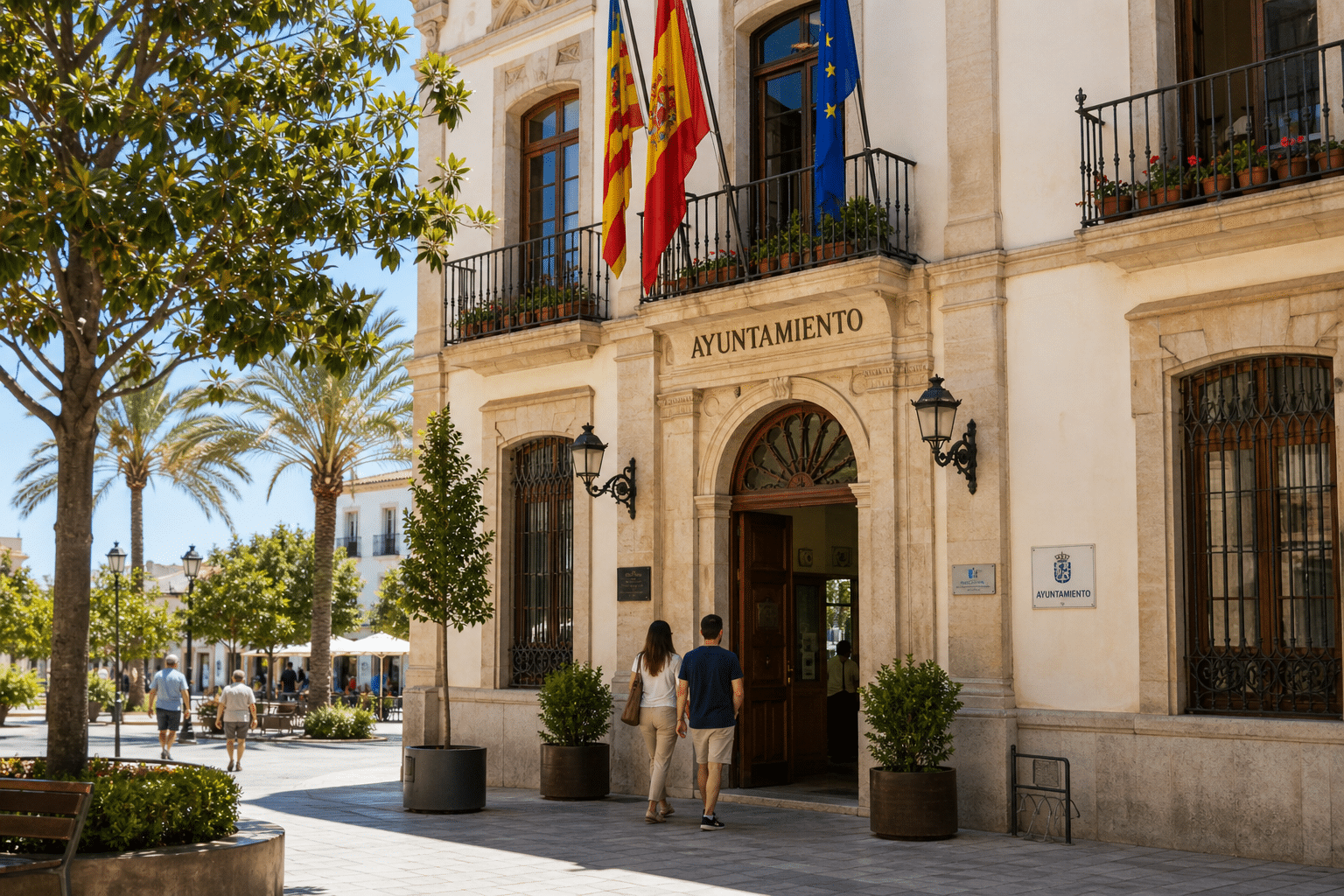
Empadronamiento
Registering with your town hall is one of the first steps after arriving in Spain. It’s required for healthcare, schools & administrative processes.
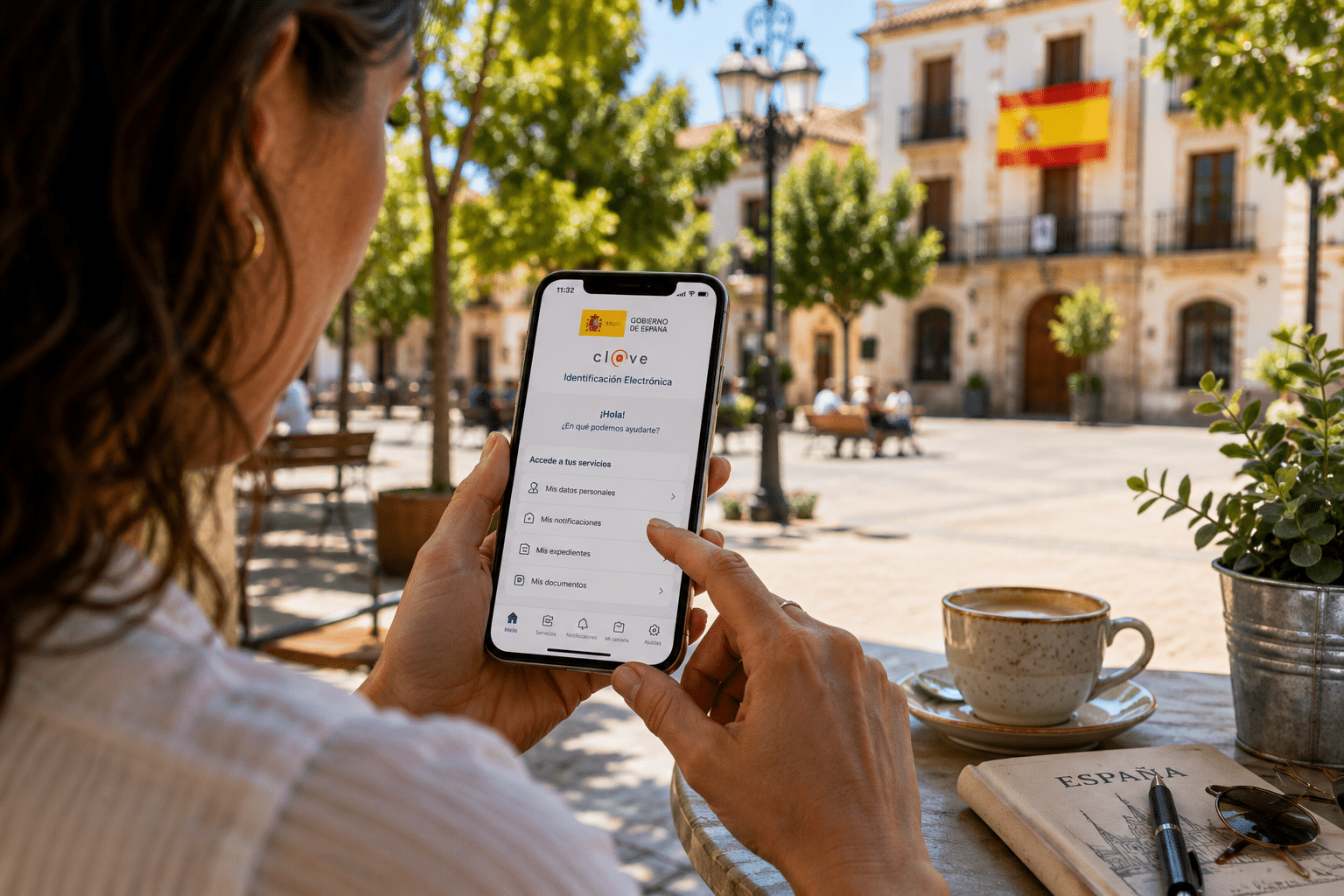
Spanish Digital ID
A digital ID that lets you access government services online, including taxes, social security, and official documents without visiting an office.
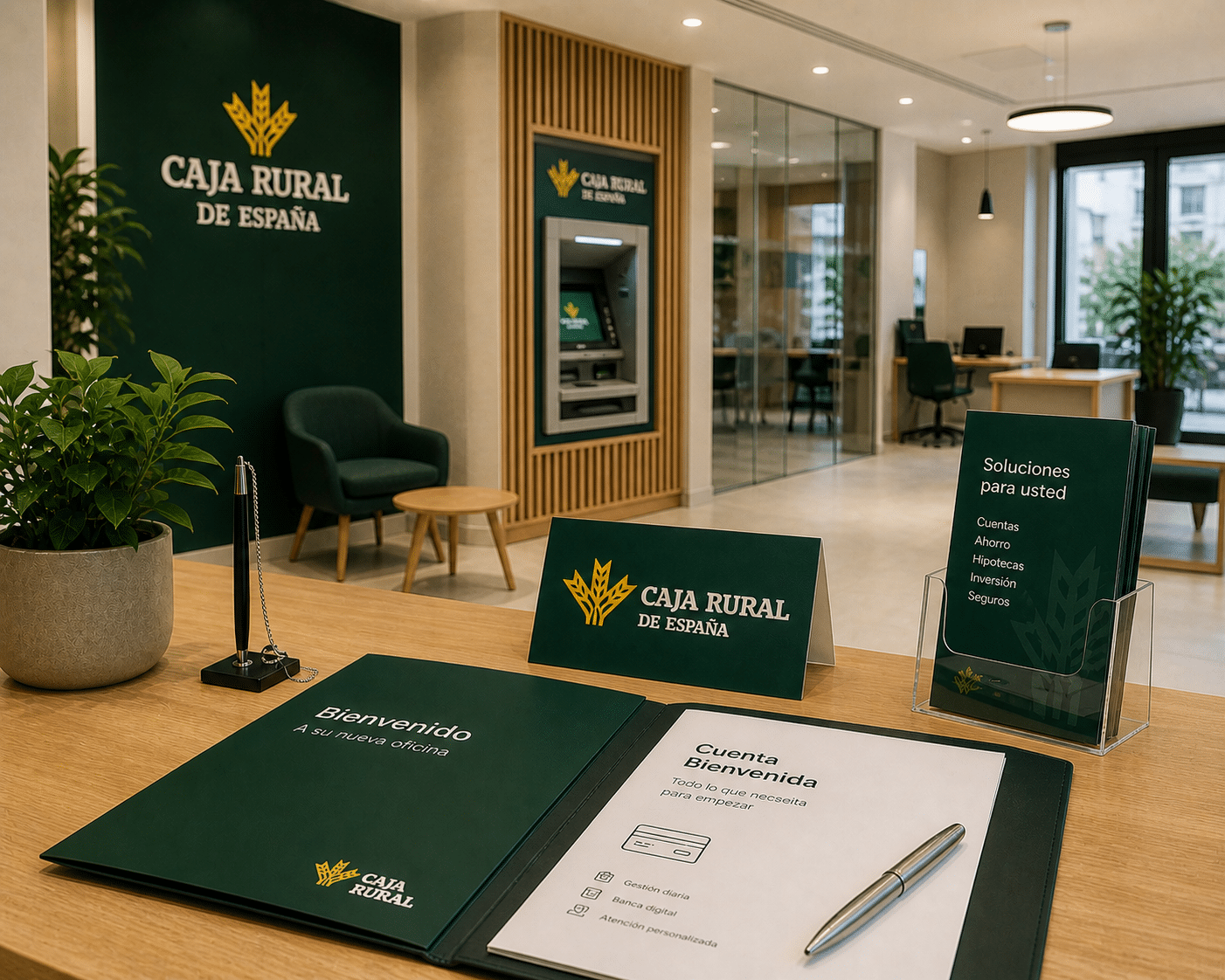
Bank Accounts
A Spanish bank account is needed for paying rent, utilities, receiving income and handling everyday expenses once you’re living in Spain.
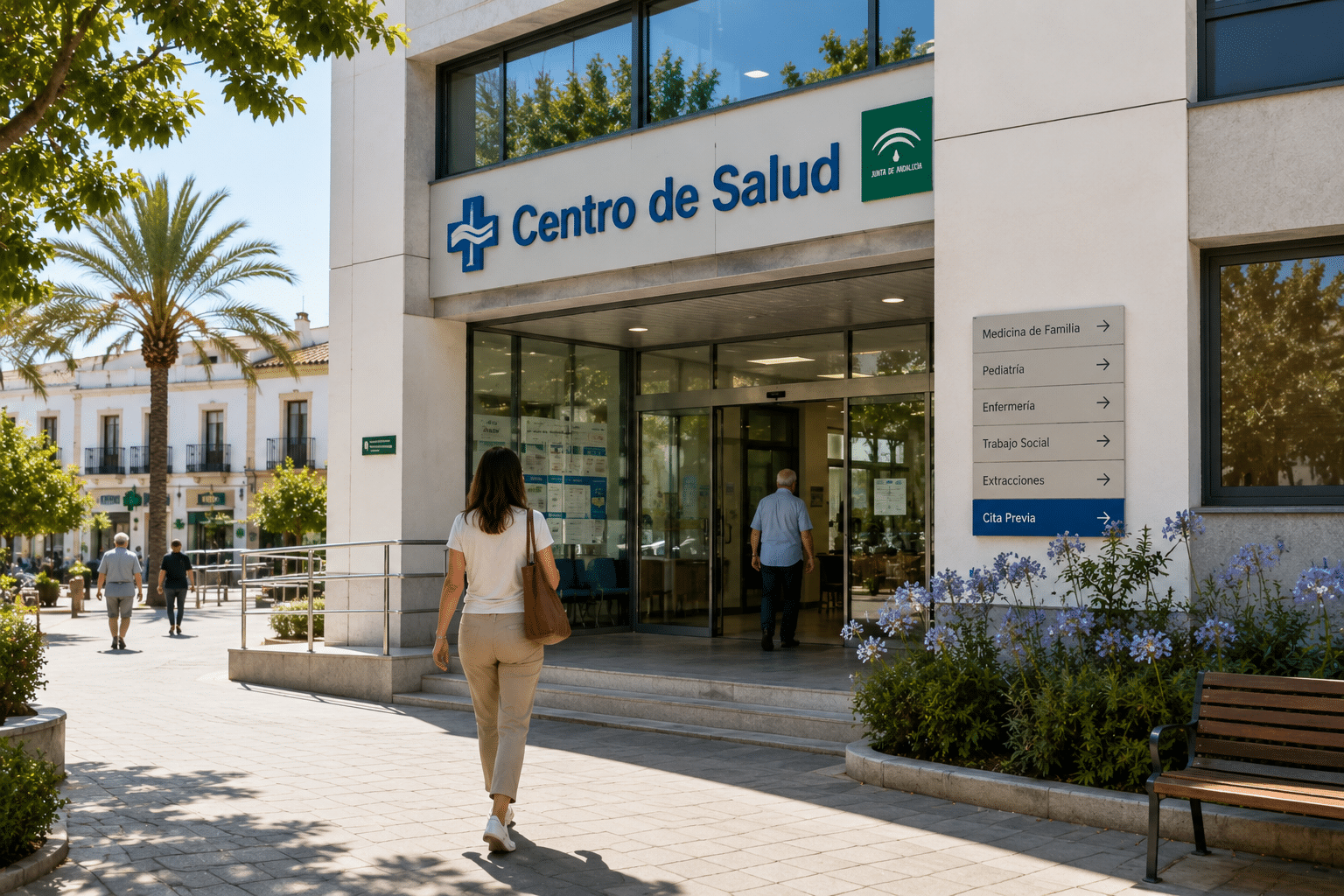
Healthcare In Spain
Spain has both public and private healthcare. Many expats use a combination of both for everyday care and faster access to specialists.
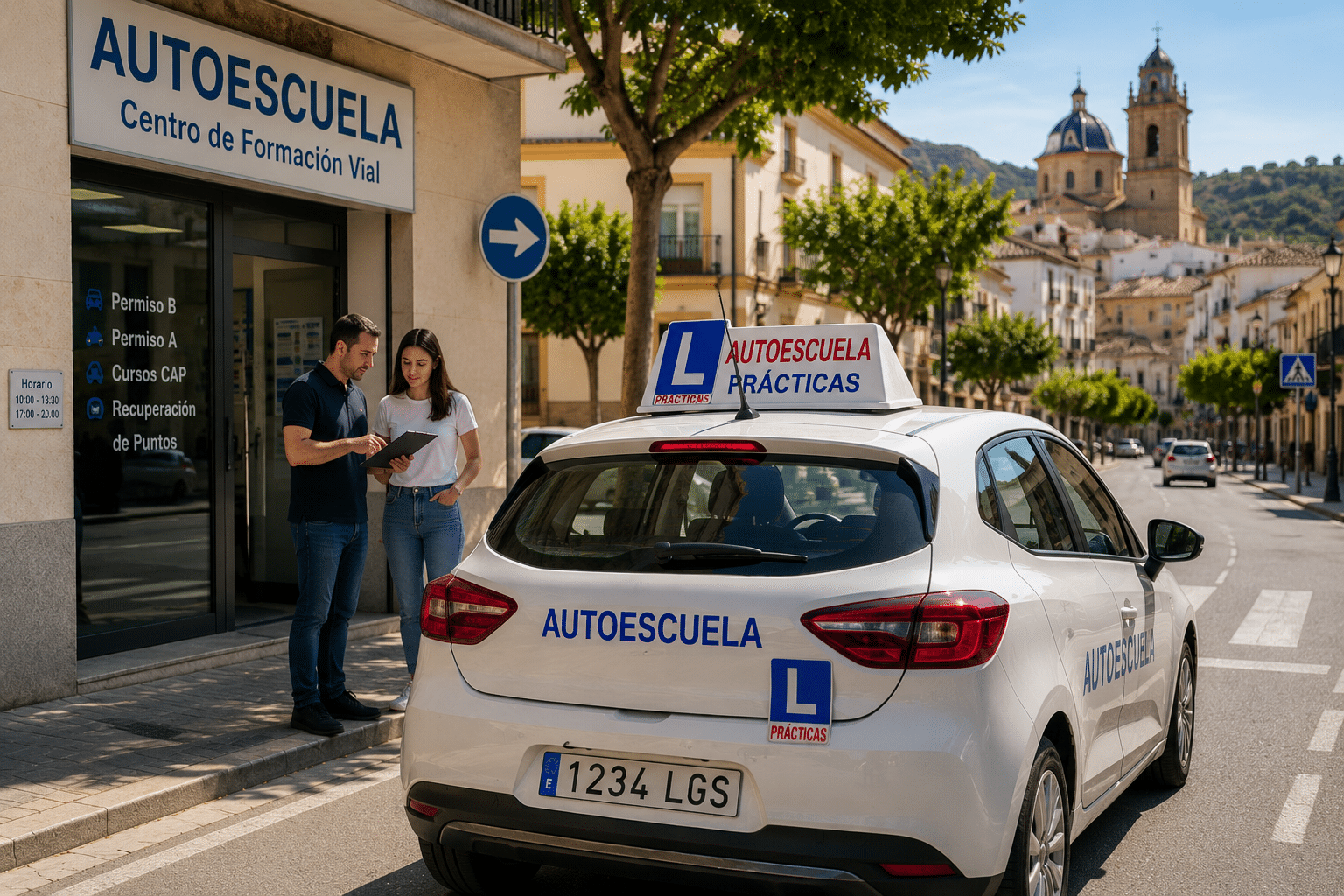
Drivers Licenses
If you plan to drive in Spain, you’ll need to obtain a Spanish driver’s license, which usually involves both a written and practical test.

Gestores
A gestor is Spain’s governmental concierge — who handles appointments, registrations, tax filings and paperwork on your behalf.
Staying Connected And Getting Around
With the administrative foundation in place, it’s time to get connected — phone, internet, mail and getting around. These are mostly one-time setups and getting them right early saves a lot of friction later.
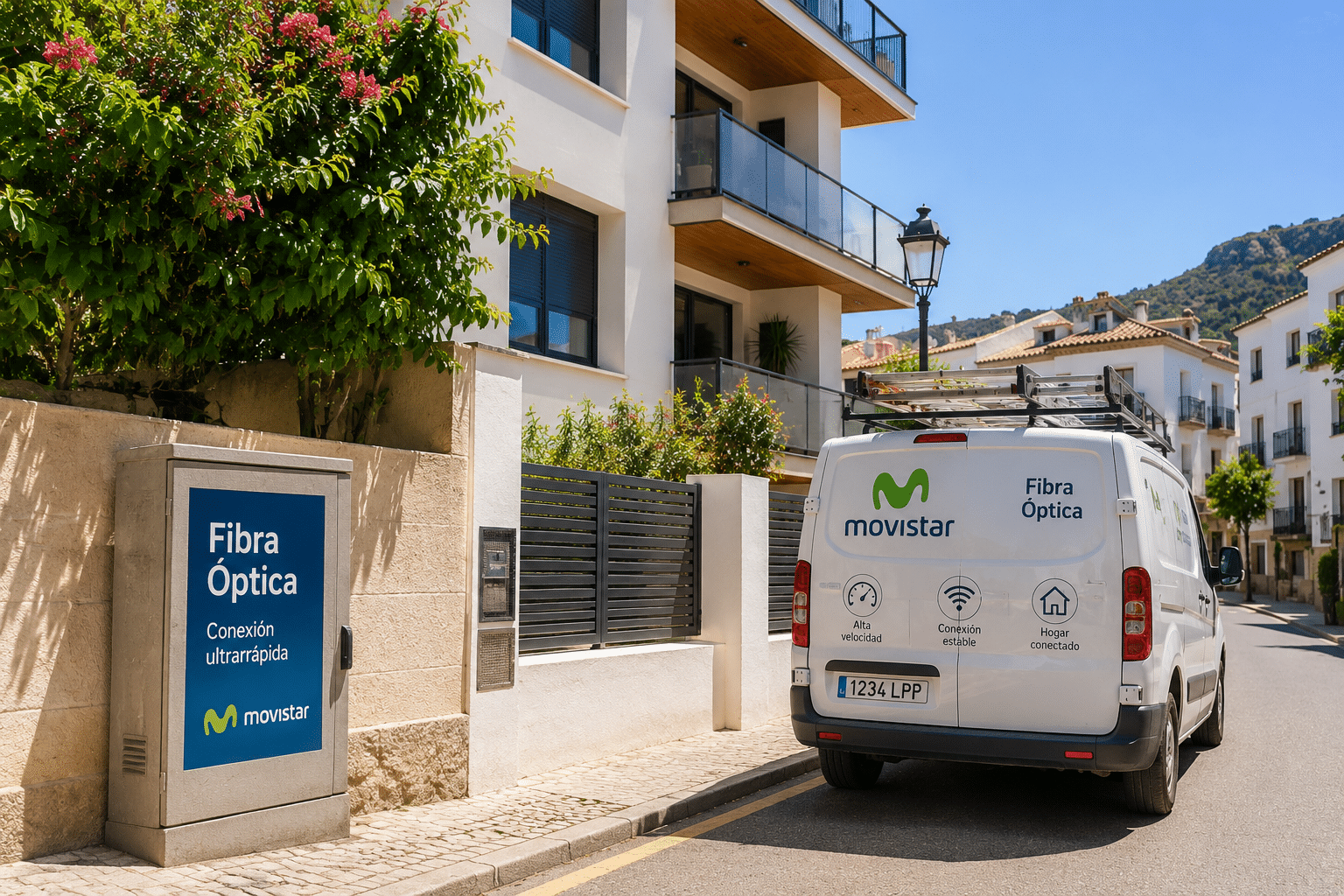
Internet In Spain
Home internet in Spain is fast and reliable, with fiber service available in many areas. Setting it up early makes daily life much easier.
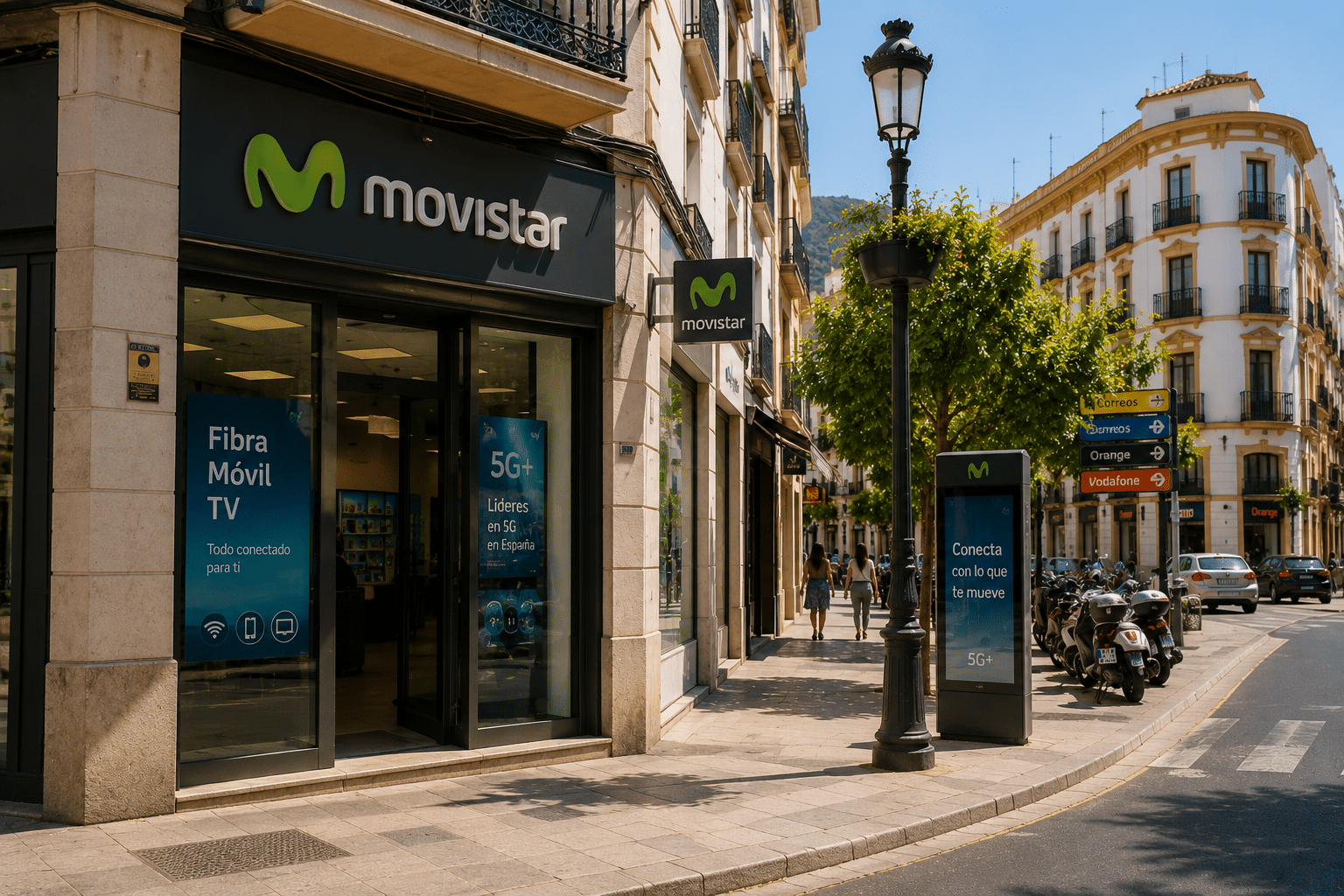
Cellphones In Spain
Understanding how Spanish plans work — and why keeping your US number matters — saves time and money.
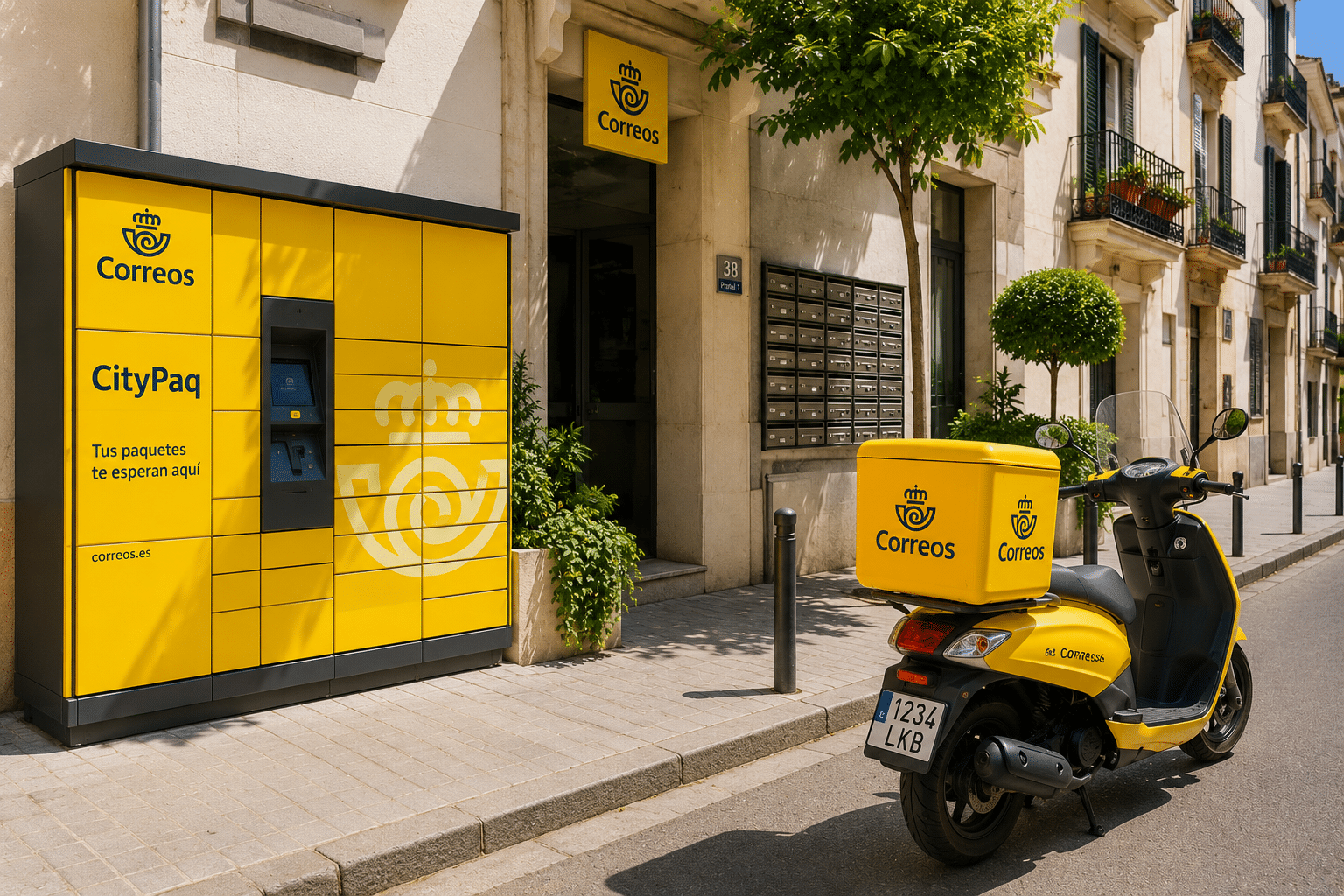
Mail & Deliveries
Mail and package delivery in Spain works well once your address is set up correctly. Knowing how it works helps avoid missed deliveries.

Buying A Car In Spain
Buying a car in Spain follows a more structured process than in the US. Knowing how it works helps simplify the experience.
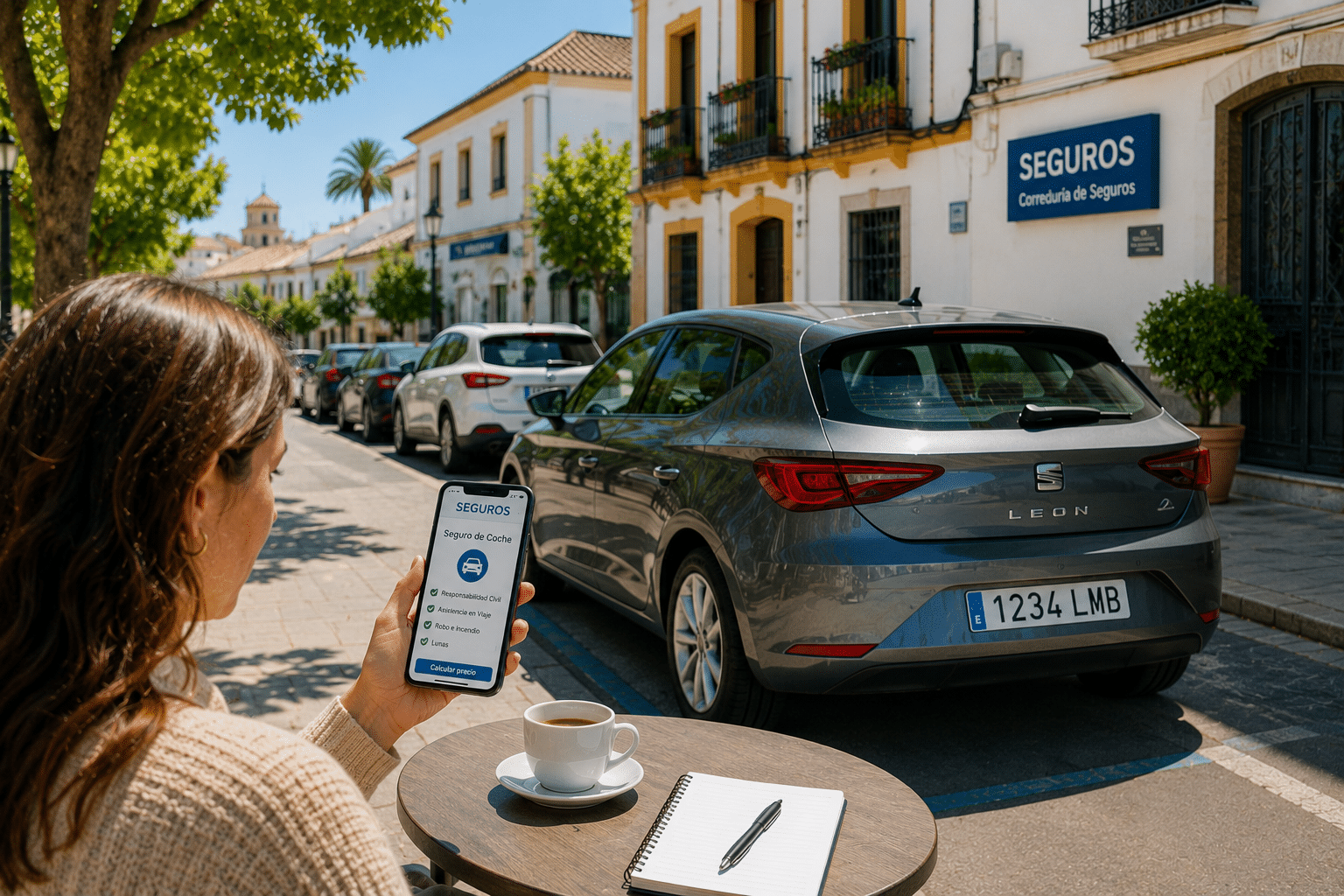
Car Insurance
Car insurance is required in Spain, with options ranging from basic liability to full coverage depending on your needs.
Running Your Household
Owning or renting a home in Spain comes with its own rhythm — utilities, upkeep, the occasional pest, and knowing who to call when something goes wrong. This section covers what it takes to keep a Spanish property running smoothly.
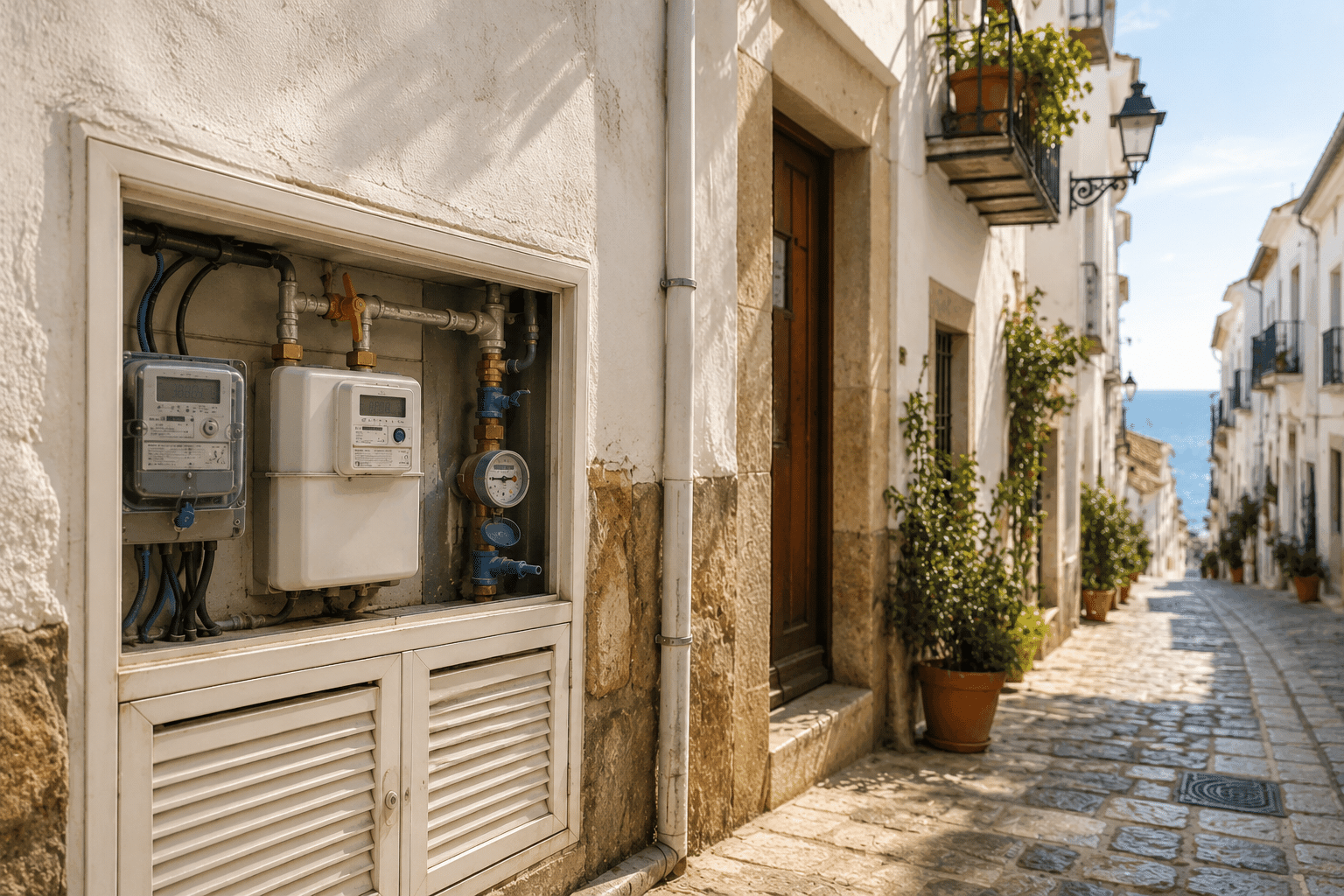
Utilities
Setting up electricity, water, and gas after you arrive, and what to expect from the process and ongoing service.

Emergency Services
Emergency services in Spain are easy to access. The main number is 112, which connects you to police, ambulance, and fire services.
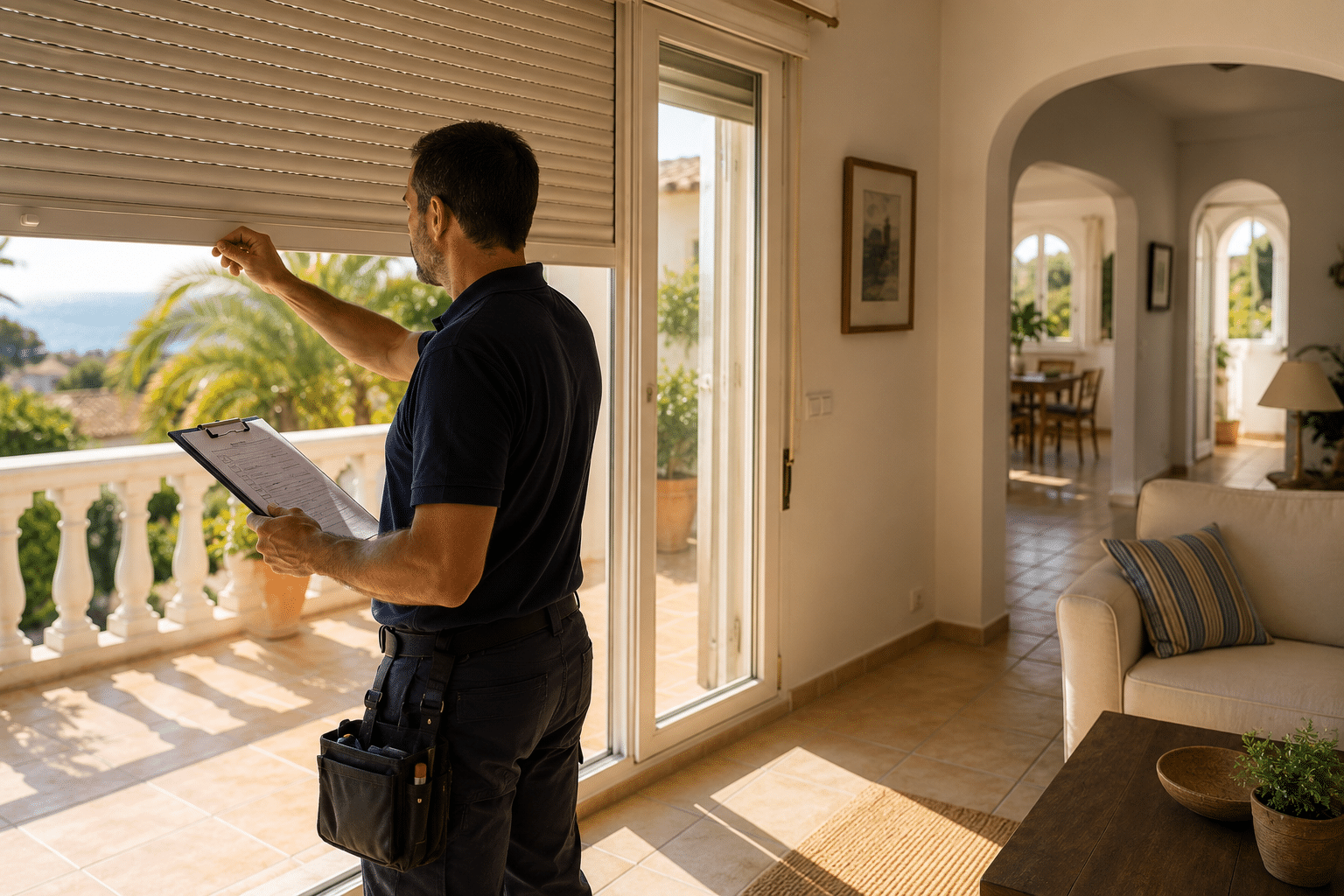
Home Services
Cleaners, gardeners, pool care, pest control and more — what to expect and what it costs to keep a Spanish home running.

Outdoor Life
The Costa Blanca comes with its own cast of insects, reptiles and wildlife. Here are a few things are worth knowing about.
Making Spain Feel Like Home
This is where routines start to form. From buying a car to figuring out groceries, this stage is less about administration and more about making Spain feel like home.
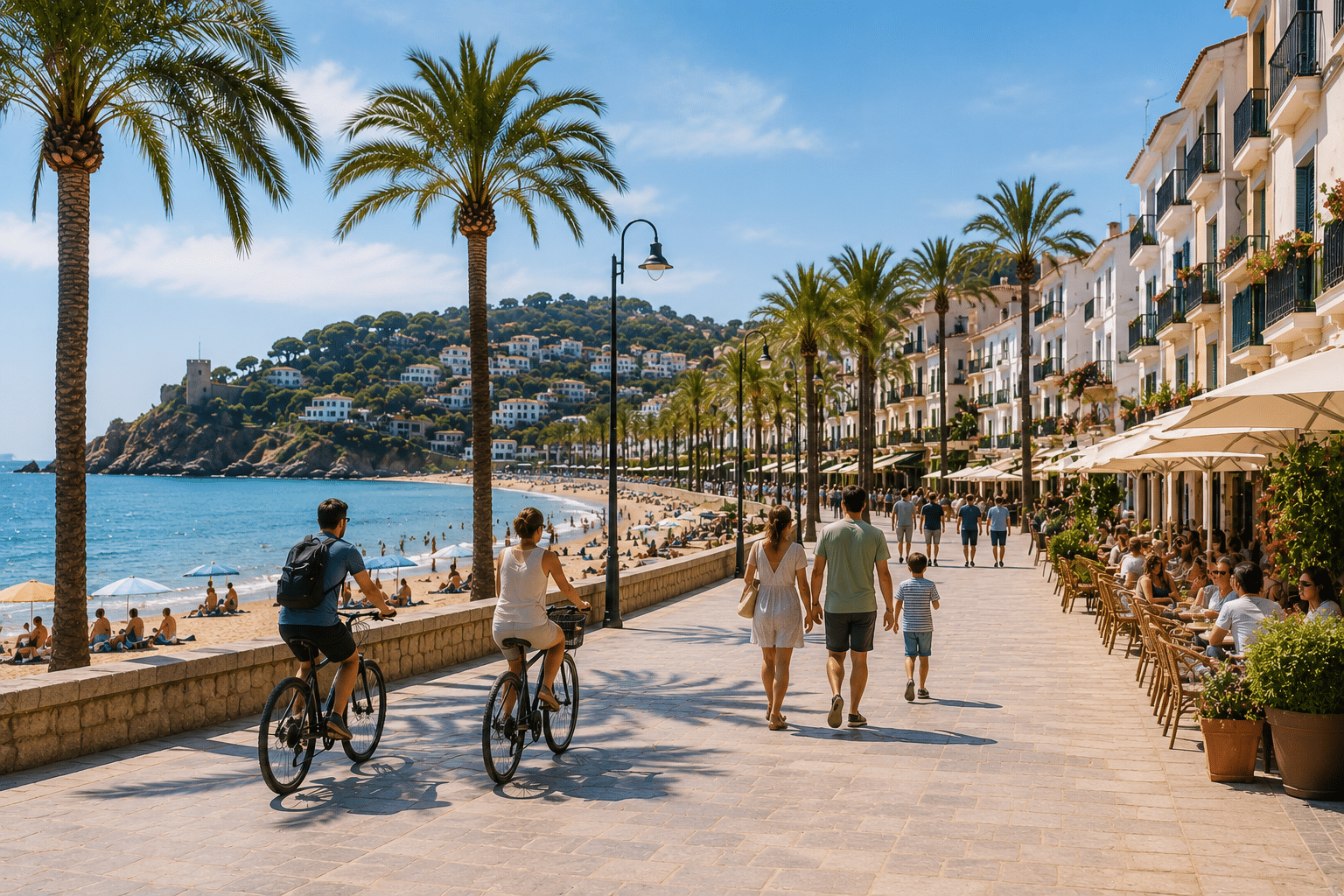
Life In Spain Vs The US
Schedules, meals and social norms are genuinely different from the US — and some of the surprises catch people off guard.
The Cost Of Living
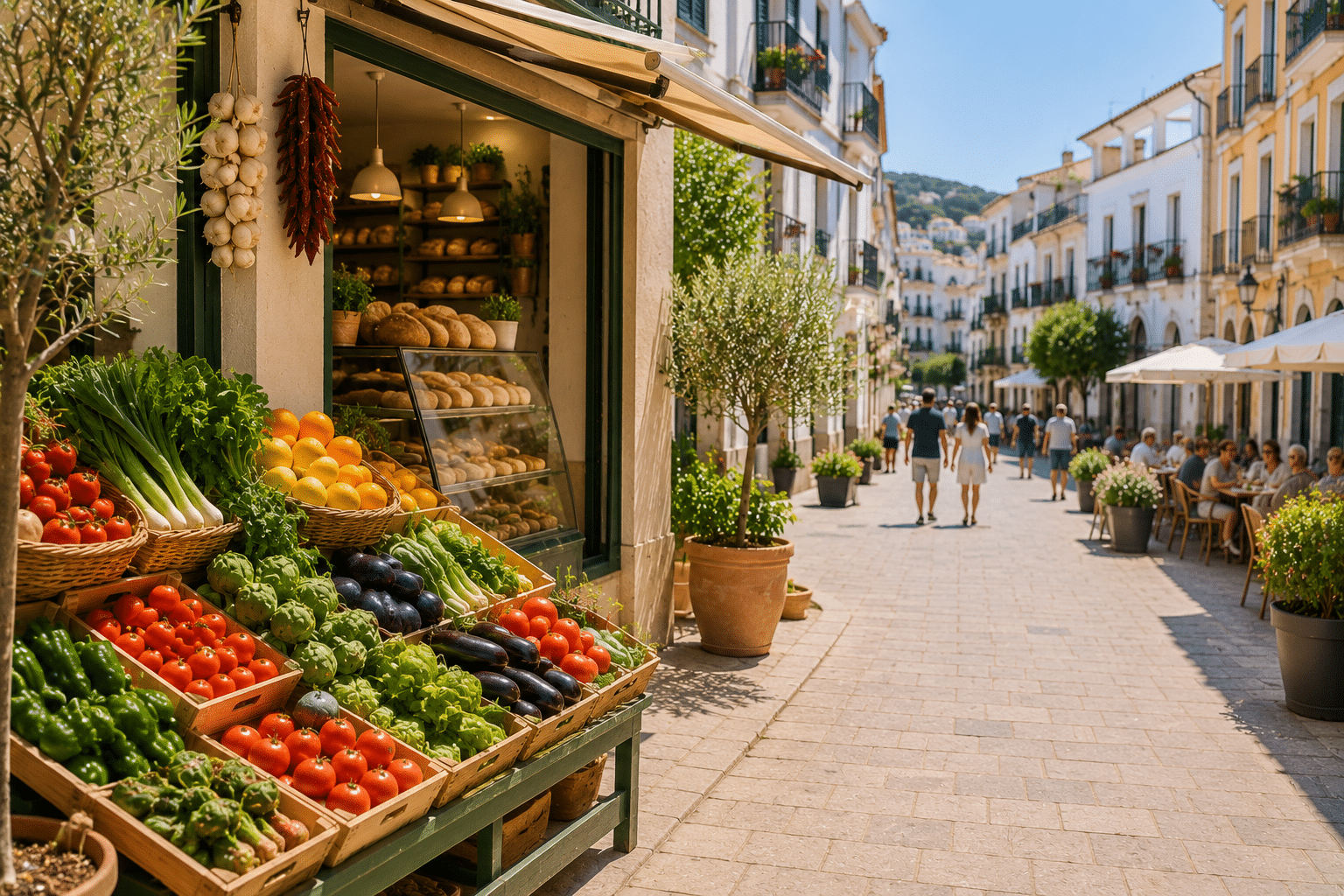
The cost of living in Spain is generally lower than in the US, especially for everyday expenses like food, dining, and healthcare.

Food & Shopping
Grocery shopping in Spain focuses on fresh, local foods and smaller, more frequent trips, with markets playing a big role.
Learning Spanish
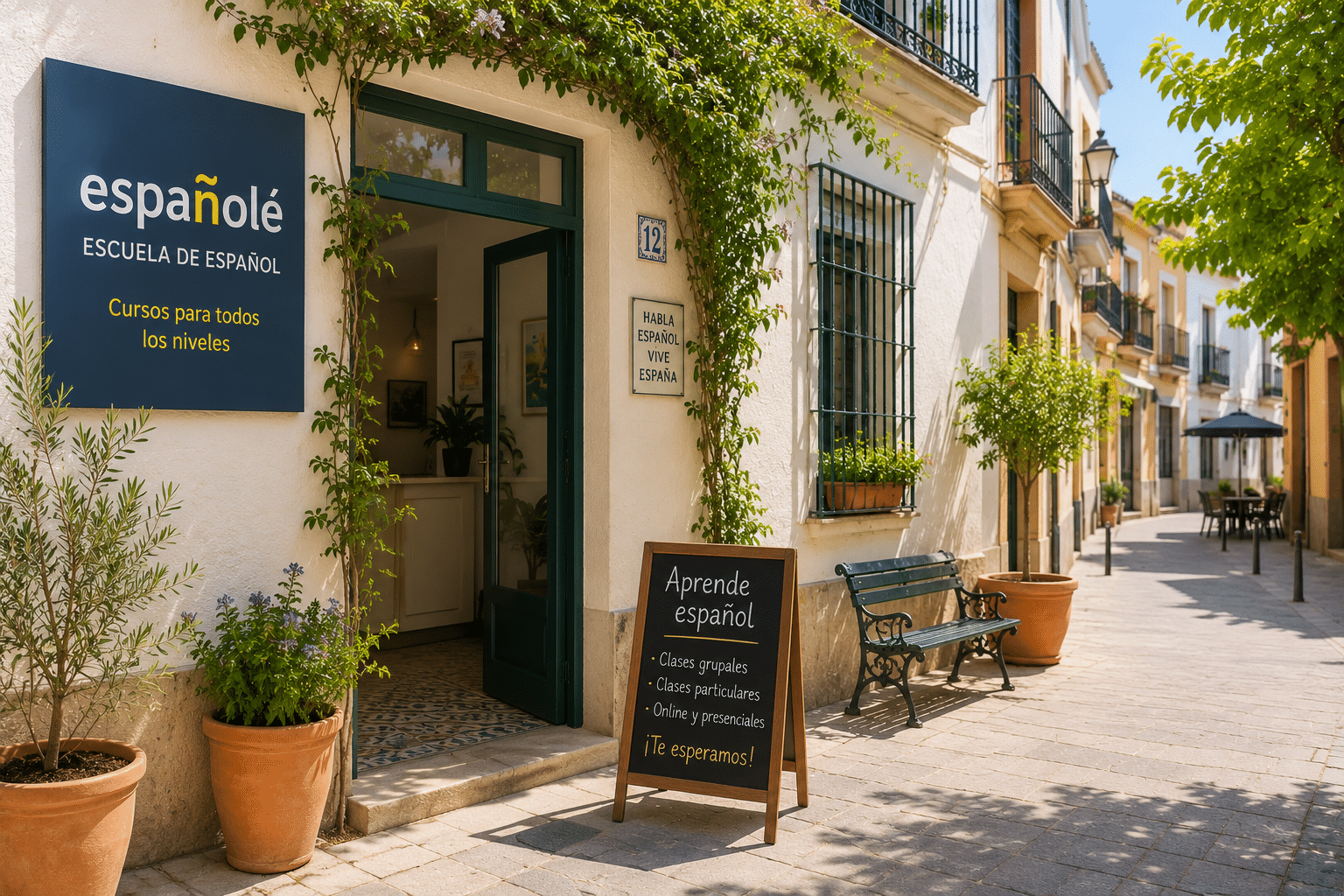
You don’t need to be fluent, but knowing where to start makes a real difference. Here’s what actually helps day-to-day.

Before Moving
Everything you need to sort before you leave — visas, NIEs, finances and the hundred other things on your pre-move list.

After The Move
What you need to get sorted once you arrive — utilities, healthcare, paperwork and all the practicalities of your new life in Spain.

Property Guide
Here’s what to know about buying property in Spain as an American — from your first search to signing at the notary.

Resources
Checklists, glossaries and vetted websites to help you plan, prepare and hit the ground running in Spain.

Our Journey
Follow along as we document our move from Portland, Oregon to Jávea, Spain — the highs, the headaches and everything in between.
This page last updated: