Our Move To Spain
More Things To Know

Our Move To Spain
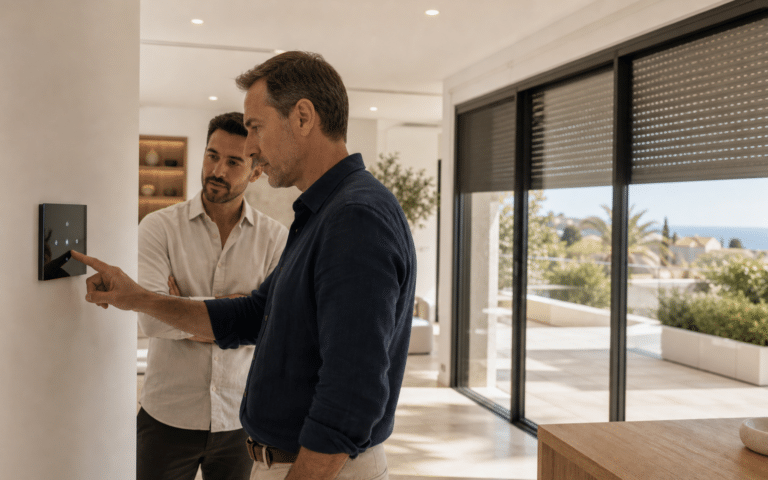
Domotica, home automation in Spanish, has gone from a luxury feature to something you'll see in most new-build properties across the Costa Blanca. If you're property shopping, it's worth understanding what's typically included, what's worth adding yourself, and what matters when comparing one automated home to another. This isn't the same conversation as security cameras and data privacy, which we cover in a separate post or persianas specifically, which get their own post. This one covers the broader picture: what's controllable, what's worth having, and what to check before you buy.
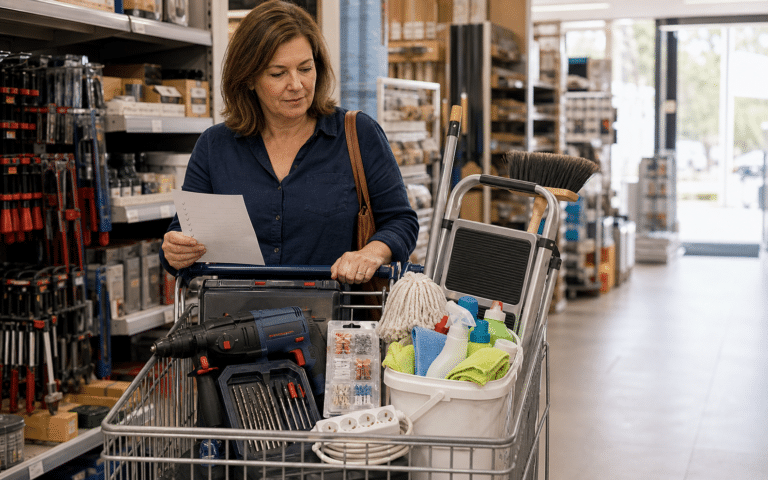
Most people moving into a Spanish home end up making the same mistake: running to the store three or four separate times in the first week because they didn't think ahead about what they'd actually need. It's a common frustration, and an easy one to avoid. None of this is stuff worth paying to ship from the US anyway. Tools, cleaning supplies, and basic household items are heavy, cheap, and often sized or wired for a system Spain doesn't use, which makes shipping them a poor use of your container budget on top of the wasted trips.
Revolut’s US banking bid took a real step forward this year. The company filed with the OCC for a national banking license and if approved, it could change how you move money to Spain. If you’ve researched moving money from the US to Spain, you’ve probably already run into Wise as the go-to recommendation. It’s a specialist international transfer service…

Spanish classes will get you started, but talking like a local in Spain takes more than a classroom can teach. You can get by in Jávea and Dénia without much Spanish at all. Enough people speak English in restaurants, real estate offices, and tourist-facing businesses that some expats coast for years on a handful of phrases. But coasting isn't the same as living here, and most people who move for the long term want more than survival Spanish eventually. The real obstacle usually isn't ability. It's the expat bubble.
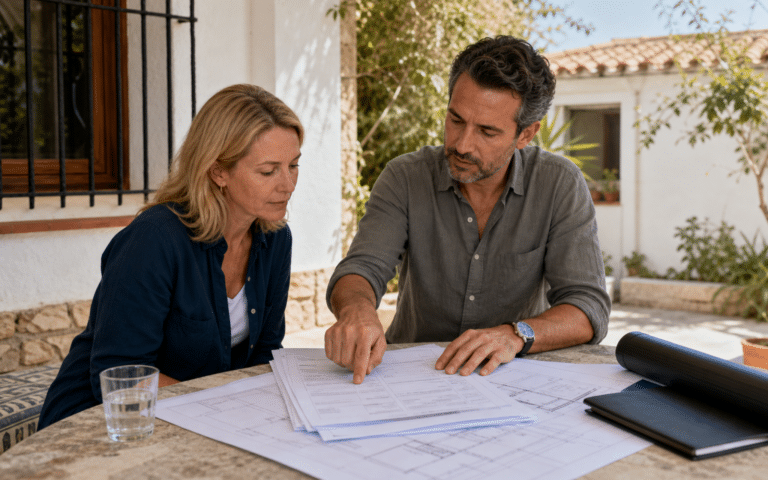
When you're thinking about renovating a home in Spain, one of your first questions should be: what am I actually allowed to do without a permit? The answer isn't as simple as "big projects need permits, small ones don't." Spain runs on a three-tier system, the rules vary by municipality, and getting it wrong can mean fines, a stopped project, or a home you can't legally sell until you fix it.
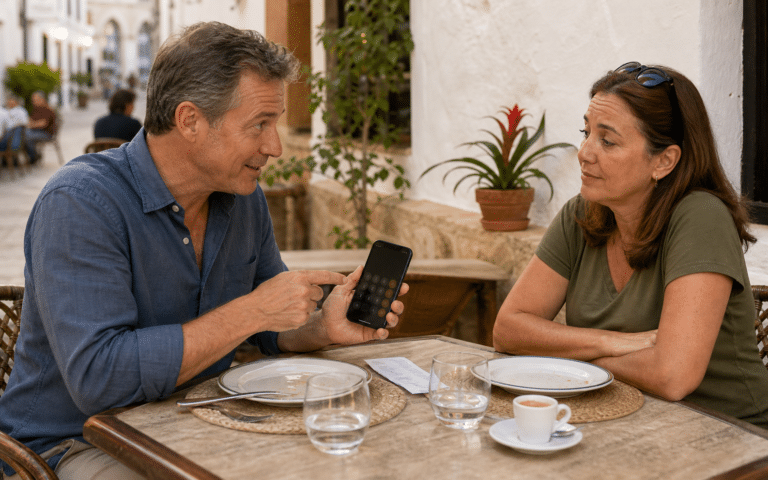
It's tempting. You convert a restaurant bill or a rent payment back to dollars, do the math in your head, and blurt out how cheap everything is compared to home. In most social settings in the US, that's harmless small talk. In Spain, it can land very differently. It's worth understanding why before you say it to the wrong person. Don't be the ugly American in Spain.
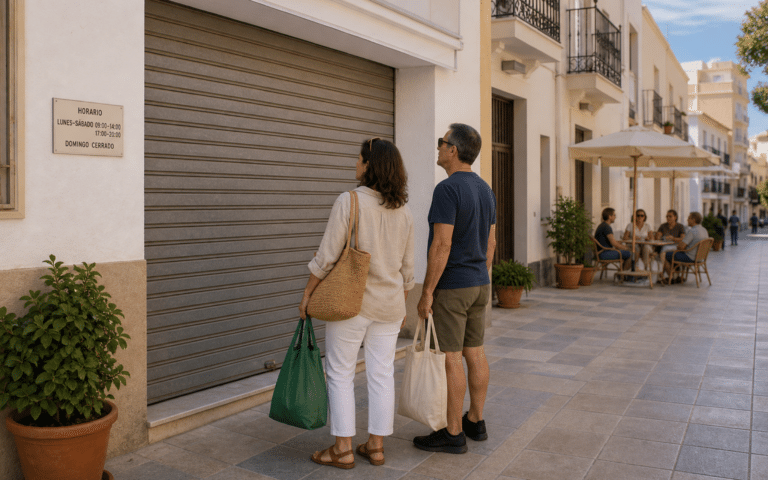
In the US, Sunday is just another shopping day. In Spain, it isn't. Most stores close. If you don't plan around it, you'll find that out the hard way the first time you run out of something on a Sunday afternoon. Spanish law protects a weekly day of rest for retail workers, known as descanso dominical. In practice, most shops default to closed on Sundays, especially small and mid-sized ones. It's not just a common custom. It's regulated at the regional level, and each autonomous community sets its own rules for which days shops can open.
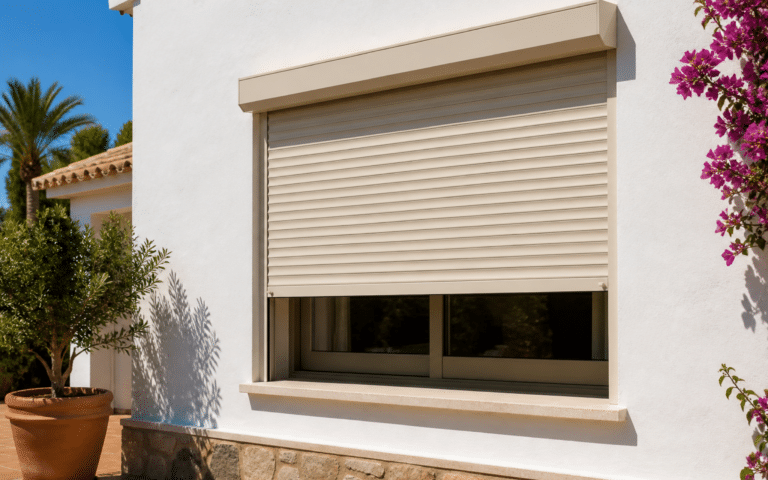
If you've traveled to Europe, you've probably noticed persianas on a lot of apartment and home windows. In the US, there's really nothing similar on residential homes. A persiana is a roller shutter that lives in a box above the window frame. It rolls down to fully cover the glass. Spaniards use them every day, and once you understand why, you'll wonder how you ever lived without them.
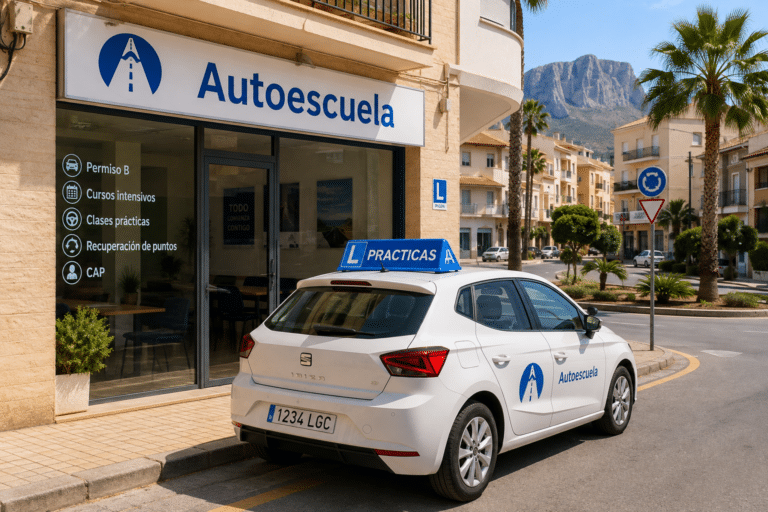
We've covered the basics of Spanish driving schools (autoescuelas) and how they work on our Spanish driver's license page. This post goes further into the actual process: what it costs, how long it takes, and a few details that catch Americans off guard.
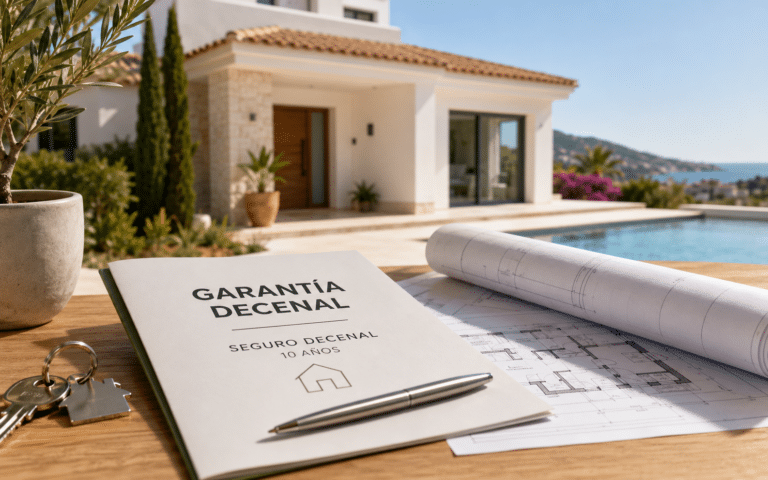
Most buyers assume that clock starts on Spain's new home 10 year warranty the day they sign at the notary. It doesn't. Getting this wrong can mean buying a "new" home that actually has a lot less warranty left than you think.
As we were just renewing our auto, home and umbrella liability insurance policies for the remaining months we have in the states, we wondered should we keep our US liability insurance after moving to Spain? After we did our research it appears for us and most people the answer is no. Not because it stops being useful, but because it stops working the way you'd expect long before you'd think to cancel it.

Plenty of expats move here, learn the etiquette, and settle into a comfortable routine. Work, groceries, a nice view. Years later, some of them still feel like a visitor.
Knowing how to behave and actually belonging are two different things, and only one of them happens on its own. Integrating takes real, ongoing work on your part and it doesn't happen automatically just because you moved somewhere beautiful.