
Our Journey To Spain
Costa Blanca
Culture and Life
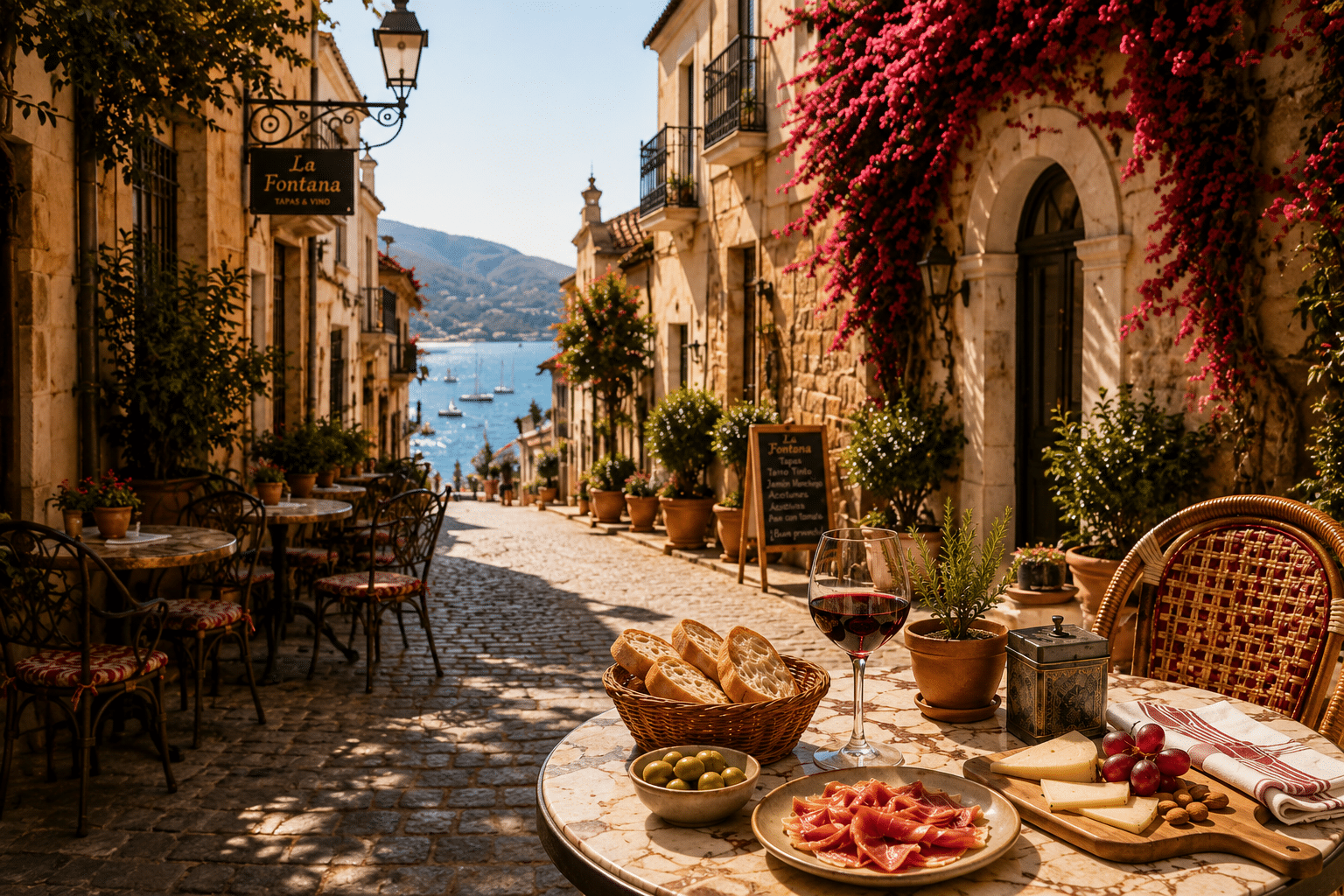
The Costa Blanca culture runs deeper than most visitors expect. This isn’t a region that performs its traditions for tourists — the festivals, markets, music and food here are simply how people live. For Americans considering a move to the Northern Costa Blanca, understanding that culture is one of the best ways to get a real picture of what daily life actually looks like.
Festivals and Celebrations
Spain takes its festivals seriously, and the Northern Costa Blanca is no exception. Nearly every town and village has its own calendar of celebrations tied to saints’ days, seasons and local history. Some last a single evening, others run for a week. Most involve the entire community — not just as spectators but as participants who have been preparing for months.
The biggest events in the region are genuinely spectacular. The Sant Joan bonfires in June draw crowds to the beach for midnight fires that mark the summer solstice. Moors and Christians festivals — held in different towns throughout the year — are multi-day affairs with elaborate costumes, brass bands, mock battles and ceremonial parades that reenact the historical struggles that shaped this coastline. Fallas in March fills town centers with towering hand-built sculptures, culminating in the Nit de la Cremà when everything burns in a coordinated spectacle of fire and fireworks.
Semana Santa (Holy Week) processions in the days before Easter are moving and atmospheric — candlelit parades through narrow streets that bear little resemblance to anything most Americans will have experienced. Local patron saint fiestas happen throughout the year in virtually every village, each with its own character, food traditions and music.
For a full calendar of festivals across the region, click the “+” icon to the right below:
Music and the Arts
Music here isn’t something that happens in concert halls — it happens in the street, in bars, in town squares and on beaches. Brass bands are a fixture of festival culture and their presence during fiestas is one of the first things newcomers notice. On summer weekends, live music spills out of bars and terraces well into the early hours, and outdoor concerts run throughout the season in both Jávea and Dénia.
Jávea has its own rhythm — smaller in scale but with a genuine community of artists and musicians, particularly among the expat population. English-language theatre groups, art clubs and music nights give newcomers an easy way into the social fabric without needing fluent Spanish.
Dénia has a particularly active arts scene for a town its size. The cultural center runs year-round programming including theatre, exhibitions and film. Local galleries are dotted through the old town and the wider Marina Alta area has a long history of attracting painters and ceramicists drawn by the quality of light and the landscape.
Markets as a Way of Life
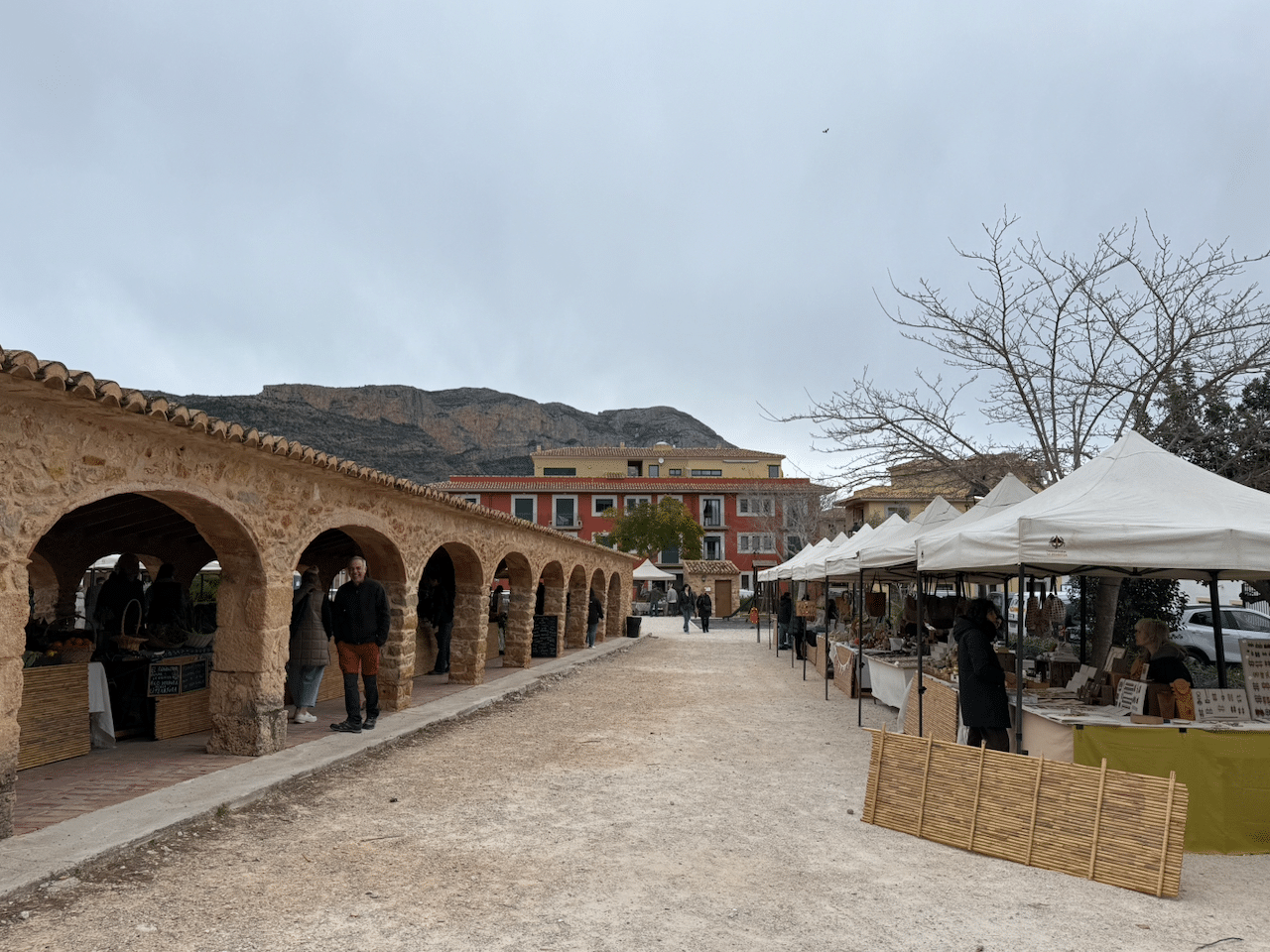
The weekly markets of the Northern Costa Blanca are worth treating as a cultural experience rather than just a shopping opportunity. Unlike the tourist markets of busier coastal areas, the markets here are genuinely local — the same vendors, the same regulars and the same unhurried rhythm week after week.
Every town has its own market day. Jávea’s old town market runs on Thursdays, Dénia’s on Monday mornings. Jalón draws visitors from across the region for its Saturday Rastro flea market. Pedreguer’s Sunday market is one of the largest in the area. Jesús Pobre holds the Mercat del Riurau beneath old raisin-drying arches on Sunday mornings — one of the most atmospheric in the region.
For expats, the weekly market tends to become one of the anchors of the week. It’s where you learn which vendors grow the best tomatoes, where you run into neighbors and where, eventually, you stop feeling like a newcomer.
Food As Culture
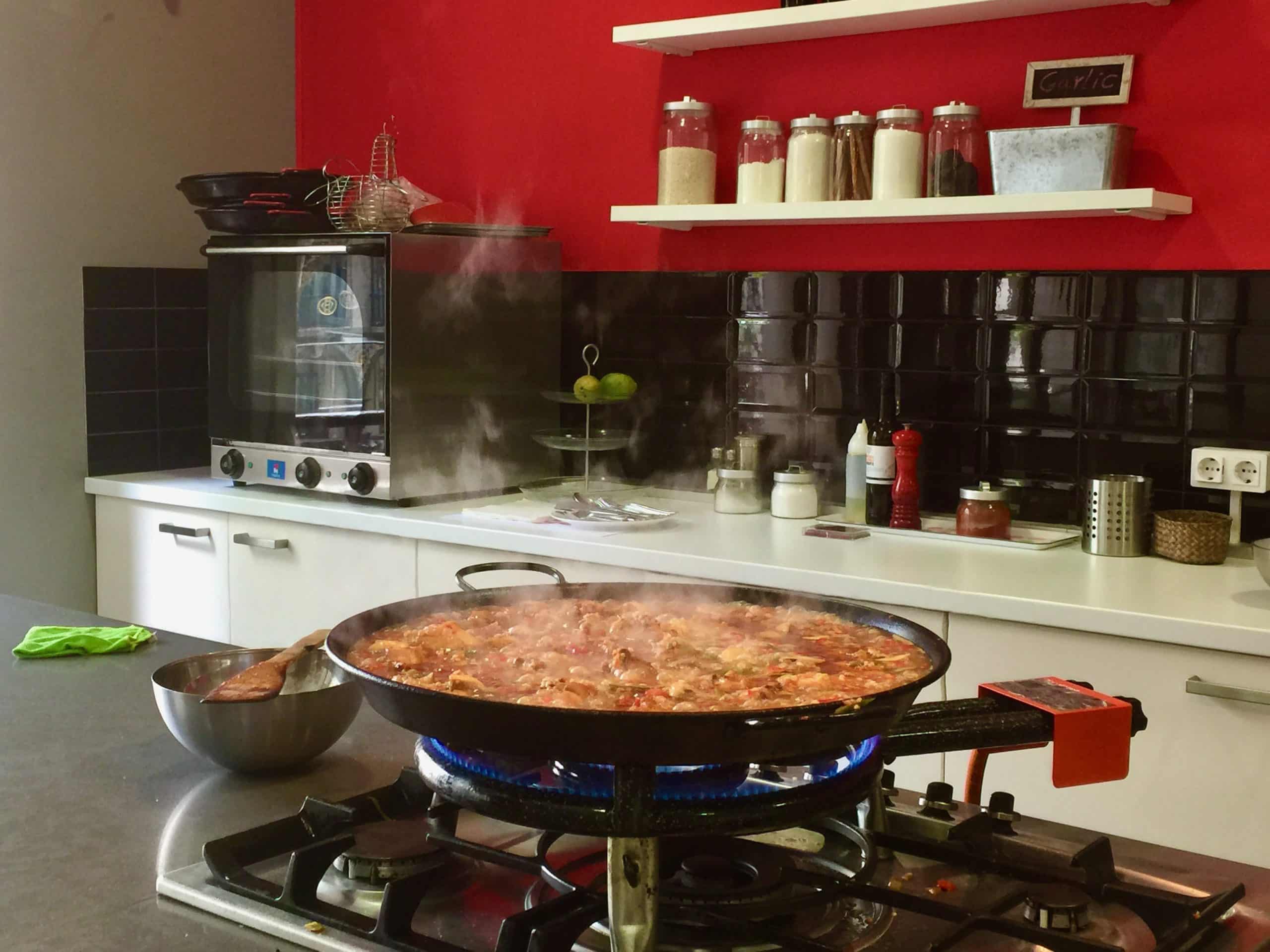
Food in the Northern Costa Blanca isn’t separate from the cultural experience — it’s central to it. The evening paseo, where locals walk the promenade or plaza before dinner, is one of the first things Americans notice and one of the things they end up loving most. Dinner starts late by American standards — 9pm is normal, 10pm not unusual — and it’s rarely rushed. Sitting outside at a terrace restaurant on a warm evening with fresh seafood and local wine is less a special occasion than just a Tuesday.
The daily fish market in Dénia is worth building into your routine early. Fresh catches come in the morning and sell fast. The weekly produce markets supply ingredients that supermarkets simply don’t match — local tomatoes, citrus straight from the valley, almonds and olive oil from farms you can drive past. Food here connects you to the place in a way that’s hard to replicate.
Language, Identity and the Valencian Culture
The Northern Costa Blanca sits within the Valencian Community, and that shapes its cultural identity in ways that distinguish it from other parts of Spain. Valencian — a language closely related to Catalan — is co-official alongside Spanish and you’ll see it on street signs, in official communications and occasionally in conversation. You don’t need to speak it, but knowing it exists and understanding its significance to local identity helps you engage more thoughtfully with the community.
The region has its own culinary traditions, its own festivals and a distinct sense of local pride that is neither purely Spanish nor purely Valencian but something specific to this stretch of coastline. For Americans used to a more homogenous national culture, that layered regional identity is one of the more interesting things to get to know.
Get Involved With The Costa Blanca Culture
One of the most common things expats say about life in the Northern Costa Blanca is that the community is welcoming but you have to show up. The culture here rewards participation — turning up to the local fiesta, buying from the market rather than the supermarket, learning a few words of Spanish or Valencian, joining a club or a class.
There are expat associations, language exchange groups, hiking clubs, padel courts, sailing groups and volunteer organizations throughout the area. Dénia’s PANGEA office offers support specifically for foreign residents navigating local systems. The area rewards people who lean in and most expats find that the longer they’re here, the more they find to engage with.
If you’re still getting your bearings on the region itself, our Northern Costa Blanca overview covers the broader picture — the landscape, climate and towns — and our Jávea and Dénia guide goes deeper on the two towns many expats call home.

Before Moving
Everything you need to sort before you leave — visas, NIEs, finances and the hundred other things on your pre-move list.

After The Move
What you need to get sorted once you arrive — utilities, healthcare, paperwork and all the practicalities of your new life in Spain.

Property Guide
Here’s what to know about buying property in Spain as an American — from your first search to signing at the notary.

Resources
Checklists, glossaries and vetted websites to help you plan, prepare and hit the ground running in Spain.

Our Journey
Follow along as we document our move from Portland, Oregon to Jávea, Spain — the highs, the headaches and everything in between.
This page last updated: