Costa Blanca weather isn’t just all sun and fun. One morning you wake up and the light looks wrong. The sky is a dull orange-grey. The sun looks filtered. Your car, clean yesterday, is now coated in reddish dust. You didn’t imagine it. This is calima, one of a handful of weather events that catch new residents off guard on the Costa Blanca. Knowing what they are and what to do when they hit, saves you a confused call to a neighbor and a ruined pool cover.
Calima: When the Sahara Drops In For A Visit
Calima happens when strong winds lift fine sand off the Sahara and carry it north across the Mediterranean. It usually shows up in summer. It can hang around for three to five days though other seasons aren’t off the table.
While it’s happening, expect:
What to do about it:
Gota Fría / DANA: This Is The Big One In Costa Blanca Weather
A Gota Fría or DANA (Depresión Aislada en Niveles Altos) season runs roughly September through November. That’s right when the sea is at its warmest after summer to fuel this kind of storm. It’s a pocket of cold air that breaks off high in the atmosphere. It collides with warm, moist Mediterranean air below. The result is intense, fast-forming rain that can dump a huge amount of water in a very short amount of time. What makes it dangerous here specifically is the terrain. Much of the Costa Blanca sits near ramblas, dry riverbeds that stay empty most of the year. During a DANA, they can fill and overflow within minutes. A dry gully turns into a fast-moving flood.
The impact on the coastline is not subtle. Storm surge can raise sea level by a meter (over 3 feet) or more. Waves regularly top 4 to 5 meters (13-16 feet), enough to swallow beaches and promenades for a day or two. Afterward you’ll see driftwood, reeds and general debris piled along the shoreline. In some stretches, years of repeated storms have eaten away enough sand that waves now reach buildings that used to sit well back from the water. Boats take a beating too. Storm winds and surge can damage pontoons and berths. Boats moored in the marina risk knocking against docks or straining their lines. Smaller sailboats and yachts are hit hardest, especially without proper mooring or emergency anchoring.
A 2013 storm dumped over 5.4 inches of rain around Jávea’s port in roughly half an hour. It flooded ground-floor shops and tore up terraces. A tent from a beachside chiringuito blew into the sea, hitting a parked car on the way. That’s the version of DANA worth planning for. Sudden and localized rather than gradual.
What to do about it:
Levante and Poniente: The Two Winds That Shape Every Day
You’ll hear locals mention these constantly, usually to explain why the sea looks a certain way or why it’s suddenly humid. Neither requires preparation, but they explain a lot of day-to-day weather mood swings that would otherwise seem random.
Levante blows in from the east off the Mediterranean. It’s humid, can disrupt ferry schedules to Ibiza and the Balearics and stirs up rougher seas. A multi-day levante is when the air feels heaviest.
Poniente is the opposite, a dry wind from the west that brings the clearest skies and best visibility of the year. A picture-perfect, crystal-clear day here usually means poniente is blowing.
Summer Heat Alerts
Spain’s heat isn’t a surprise to anyone moving here, but the alert system is worth knowing. AEMET issues color-coded heat warnings. A red alert can mean municipalities restrict outdoor construction during the hottest hours. Jávea and Calpe already enforce quiet hours in early afternoon during summer. Heat alerts reinforce the same instinct: stay inside, hydrate and save errands for the evening.
Yes, It Can Snow On The Costa Blanca And Beyond
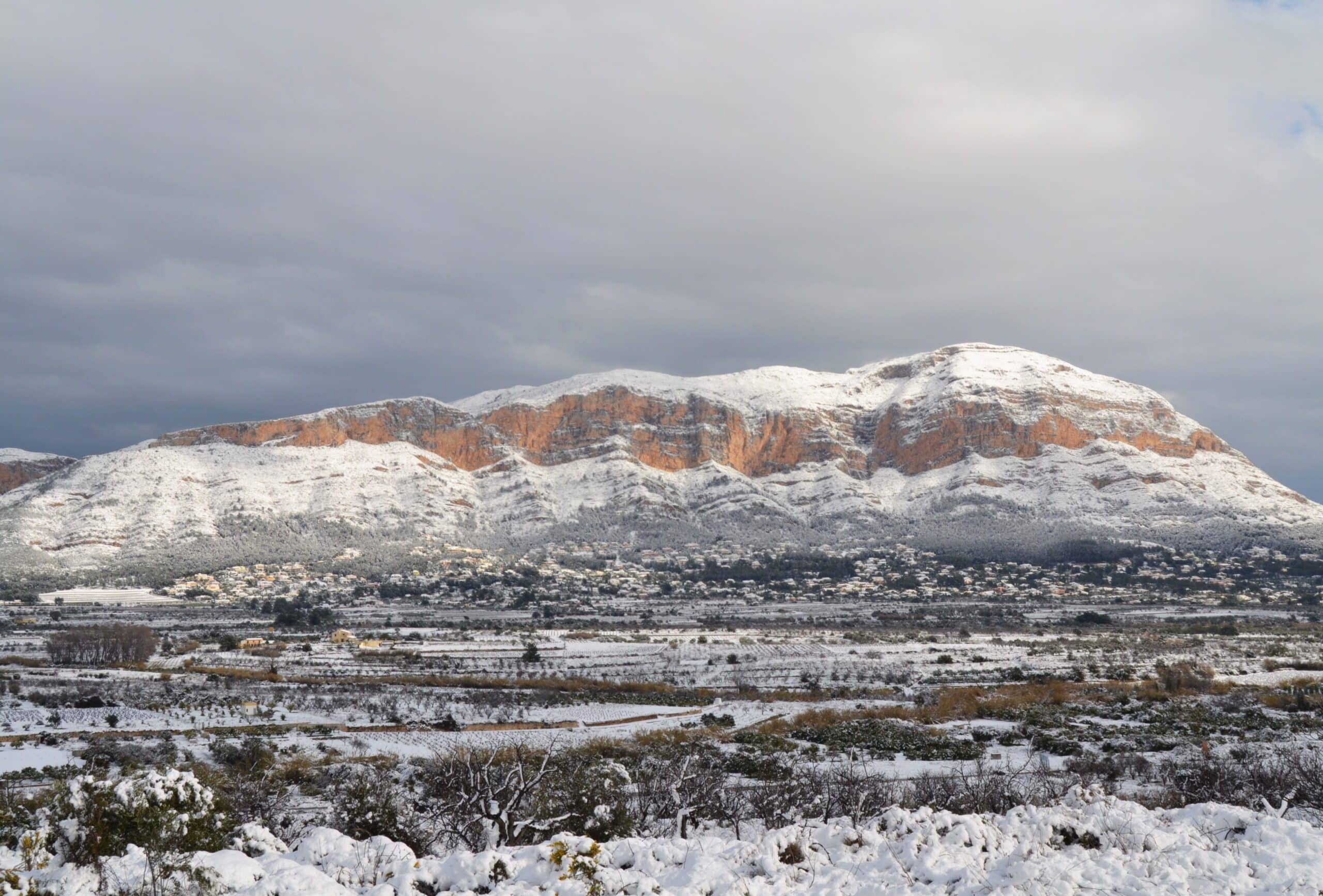
This one surprises almost everyone. The Montgó, the 753-meter (2,470-foot) mountain that anchors the Jávea and Dénia skyline, has been snow-capped before. It’s happened in January 2017, when the worst storm to hit the region in 40 years dropped snow down to sea level. Beaches in Jávea and Dénia woke up under a blanket of snow. The Montgó was fully white from base to peak. There are photos of snowmen built right on the sand at Arenal beach. It was the first event of that scale since February 1983.
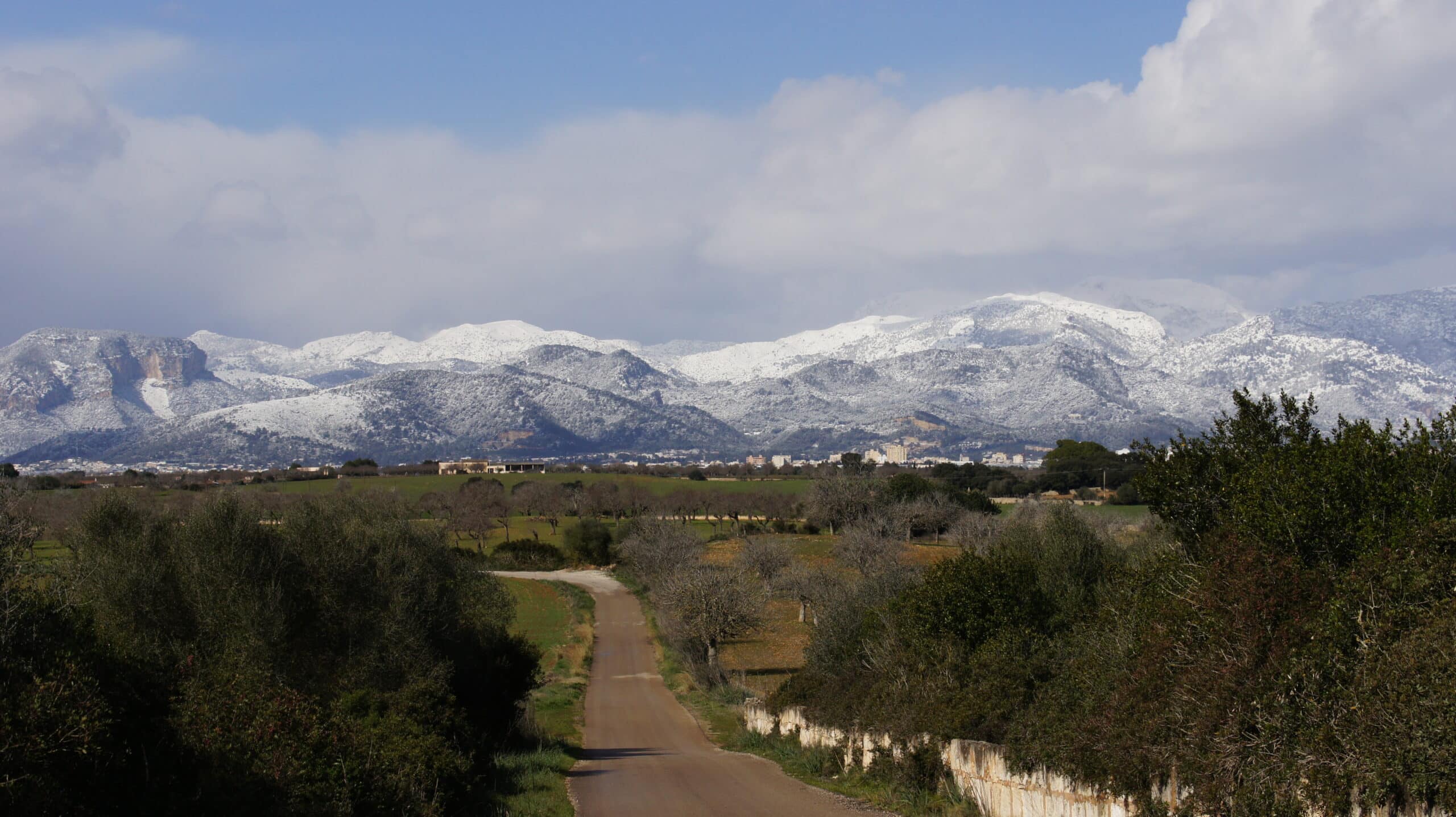
If you want proof that Mediterranean snow isn’t a total fluke, look toward Mallorca. The Puig Major, the 1,445-meter (4,741-foot) peak in the Serra de Tramuntana mountain range catches snow most winters, sometimes several times a season. It’s a different story from the Montgó since Mallorca’s peaks sit nearly twice as high, but the next time someone’s surprised that a Spanish island gets snow, you’ll have an answer ready.