
Before Moving To Spain
Spanish TIE
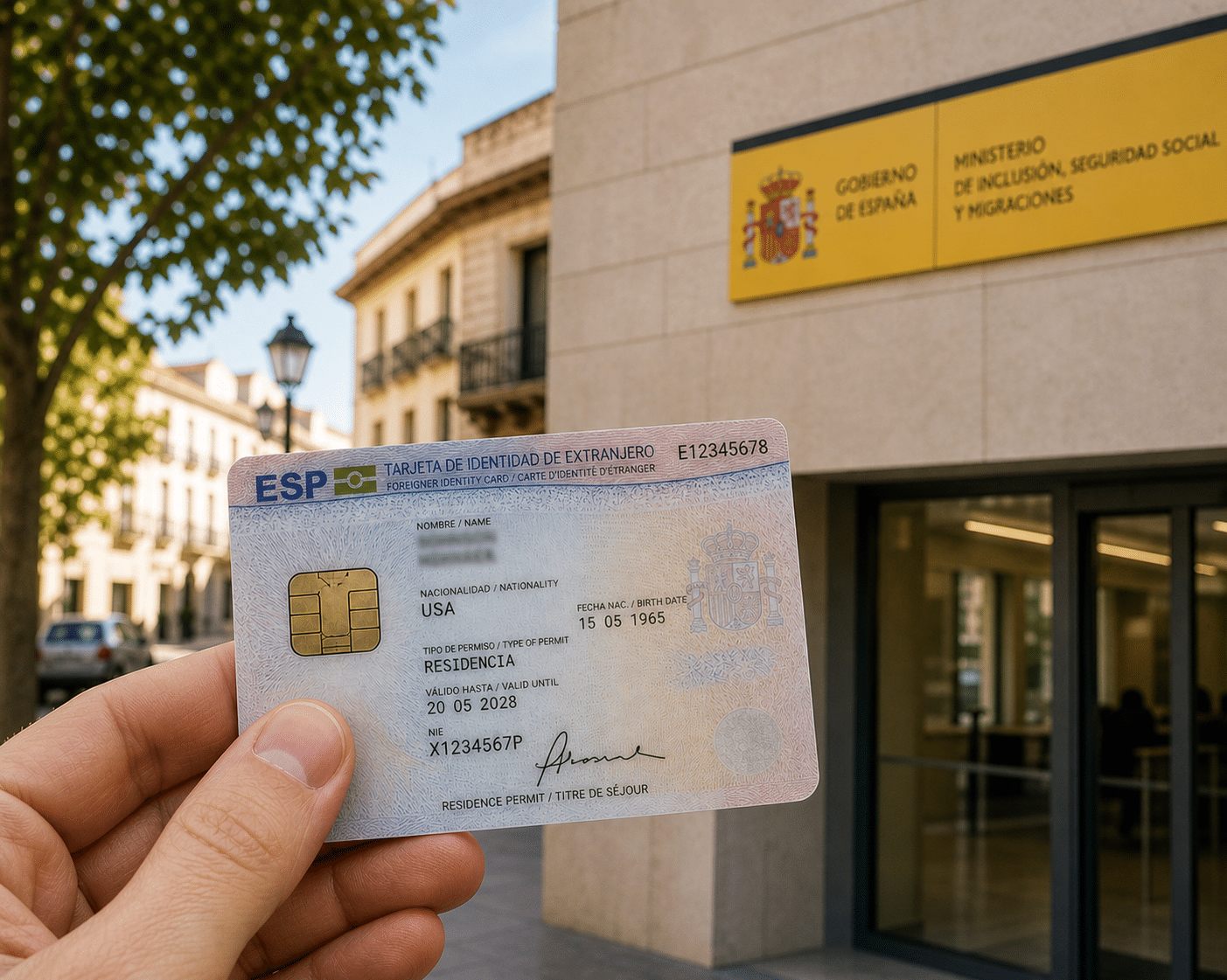
Once your Spanish visa is issued there’s one more important step to complete before you’re fully set up as a resident. That’s getting your Spanish TIE card. Your visa is an entry document — it gets you into Spain. The TIE (Tarjeta de Identidad de Extranjero) is your official residency card and confirms your legal status once you’re living there. It becomes your primary form of identification and the document you’ll rely on for most official interactions. You may also encounter the term NIE (Número de Identidad de Extranjero) — this is the identification number itself, while the TIE is the physical card that displays it. The two terms are related but not interchangeable.
When To Apply For The Spanish TIE Card
After arriving in Spain with your approved Spanish visa you’re generally required to apply for your TIE within 30 days. While there can be some flexibility depending on how quickly you’re able to secure an appointment it’s best to start the process as soon as possible.
In many areas, especially outside of larger cities, appointment availability can be limited. It’s common for expats to begin checking for openings before arrival or immediately thereafter. Even if your appointment ends up being scheduled later, having it booked early shows that you’re following the process correctly.
Booking Your Appointment (Cita Previa)
The process begins by scheduling a cita previa or appointment with the appropriate immigration office or police station. This is done online. Depending on where you are it can take some persistence to find an available slot. Many people find themselves checking multiple times a day for cancellations or newly released appointments. It can feel a bit unpredictable, but it’s a normal part of the process.
What To Expect At The Appointment
The standard application form for the TIE is the EX-17, available on the Spanish Ministry of Interior website. Complete it before your appointment and bring a printed copy with you. When your appointment day arrives the process is fairly straightforward. You’ll submit your application, provide your passport and visa and complete the biometric portion of the process which includes fingerprinting. You’ll also need to bring your completed forms, passport photos and proof that you’ve paid the required government fee. While the exact document requirements can vary slightly depending on location, the overall experience is consistent and fairly efficient once your documents are in order.
Many offices will also request a recent empadronamiento certificate, particularly since your registered address gets printed on the card itself. It’s not universally mandated for a first-time application, but practices vary enough by office that it’s worth having one ready, especially if you’ve already secured housing by the time of your appointment.
Before your appointment you’ll also need to pay the government fee using Modelo 790 Código 012. This can be done at most Spanish banks. Keep your stamped receipt as it’s a required document at the appointment. The fee for an initial TIE is currently around €16. The exact amount can vary by procedure type and is adjusted periodically, so confirm the figure on the official form before heading to the bank.
Processing And Pickup
After your appointment your TIE card is produced and made available for pickup. This usually takes a few weeks, although timelines can vary depending on location and workload. You’ll typically be given instructions on when to return to collect your card. You’ll need to pick it up in person and bring your passport with you. Until you have the physical card in hand you’re still in a bit of a transitional stage. Many expats plan around that timing.
Renewals And Long-Term Planning
Your TIE is typically issued for the same duration as your visa or residency authorization. If you plan to stay in Spain long-term, you’ll need to renew it before it expires. While renewal processes can vary depending on your visa type, they generally follow a similar structure. It’s something to be aware of early on so you can plan ahead and avoid gaps in your residency status.
Plan For This As Part Of Your Arrival
Once you have your TIE, it quickly becomes one of the most important documents you carry in Spain, used for everything from opening bank accounts and signing contracts to everyday identification. In many ways it replaces your passport for daily use. The process isn’t complicated, but securing an appointment and waiting for the card do require planning. Think of it as part of your arrival checklist rather than something to sort out later.
FAQs
Can I start working or setting up services before I receive my TIE card?
In many cases, yes — especially if your visa already grants the right to work or reside. However, some services (like certain bank accounts or contracts) may still require the physical TIE card, so it can limit what you can fully complete.
What should I do if there are no TIE appointments available?
This is a common issue. Many expats check the system frequently for cancellations or newly released appointments. Some also use local services or gestores to help secure a booking more quickly.
What happens if I can’t get a TIE appointment within 30 days of arriving?
It’s a common situation and generally not cause for alarm. Appointment availability varies significantly by location and time of year, and immigration authorities are aware that slots can be difficult to secure quickly. The key is to document your attempts — keep records of when you tried to book and any confirmation emails from the system. Having a booked appointment, even if it falls after the 30-day window, demonstrates good faith and is generally accepted. If you’re concerned, a local gestor can often help secure an appointment faster and advise on your specific situation.
What happens if there’s an error on my TIE card?
If you notice a mistake, you’ll need to request a correction through the issuing office. It’s best to review the card carefully when you receive it so any issues can be addressed right away.
Can I renew my TIE card from outside Spain?
Generally no. Renewals are typically handled within Spain, and you’re expected to be physically present to complete the process.

Before Moving
Everything you need to sort before you leave — visas, NIEs, finances and the hundred other things on your pre-move list.

After The Move
What you need to get sorted once you arrive — utilities, healthcare, paperwork and all the practicalities of your new life in Spain.

Property Guide
Here’s what to know about buying property in Spain as an American — from your first search to signing at the notary.

Resources
Checklists, glossaries and vetted websites to help you plan, prepare and hit the ground running in Spain.

Our Journey
Follow along as we document our move from Portland, Oregon to Jávea, Spain — the highs, the headaches and everything in between.
This page last updated: