
After The Move
Wildlife and Pests

Before our first scouting trip to the Northern Costa Blanca, we Googled some version of “pests Spain” and came away with a longer list than anticipated. Property owners in this part of Spain share their land with a range of insects, reptiles and wildlife that most Americans haven’t encountered before.
The good news is the vast majority are harmless or outright beneficial. But a handful of wildlife and pests on the Northern Costa Blanca deserve real awareness, particularly if you have pets, pine trees or a property that sits empty for part of the year. If you’re still getting your bearings on what the Northern Costa Blanca actually looks like as a place to live — the landscape, the climate, the towns — our overview of the region is a good starting point.
What Property Owners Need to Know
Here’s a list of some of the top pests and wildlife to be aware of:
Mosquitoes
Mosquitoes are the most consistent nuisance for residents in this area, active from spring through early autumn. Two species are relevant:
The common mosquito (Culex pipiens) is the familiar nighttime biter. Window screens, plug-in repellent diffusers and eliminating standing water around the property go a long way.
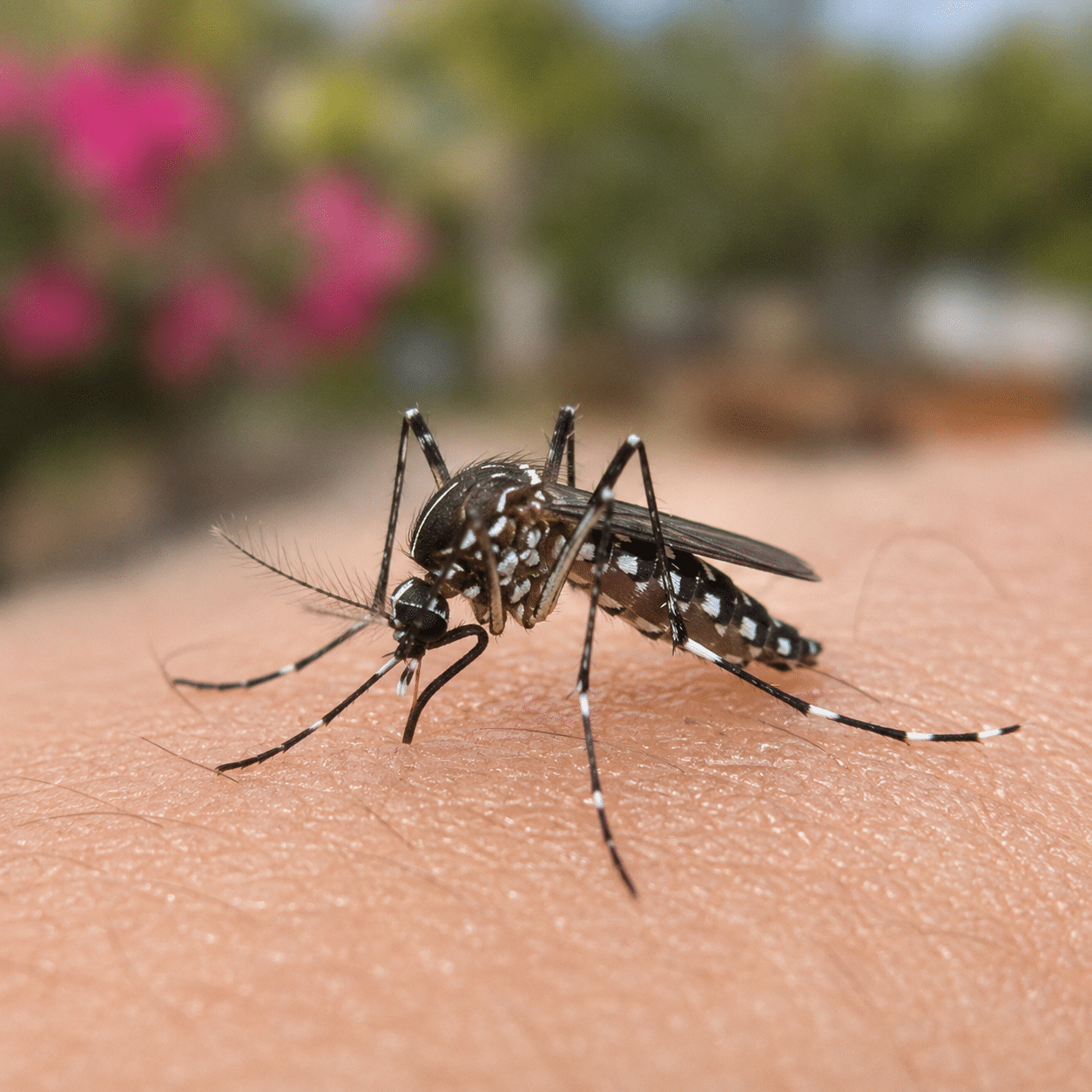
The tiger mosquito (Aedes albopictus) is the one that catches newcomers off guard. It’s a small black and white mosquito, about a quarter-inch long, and unlike its common cousin, it bites during the day. It breeds in very small amounts of standing water — a plant saucer, a clogged gutter, a forgotten bucket. If you have a pool, fountain or any water feature, keep it properly treated. Eliminating standing water on your property is the single most effective control measure.
Spiders
Most house spiders in Spain are beneficial, eating mosquitoes, flies and other pests — relocate rather than kill them when possible. The ones worth knowing about specifically:
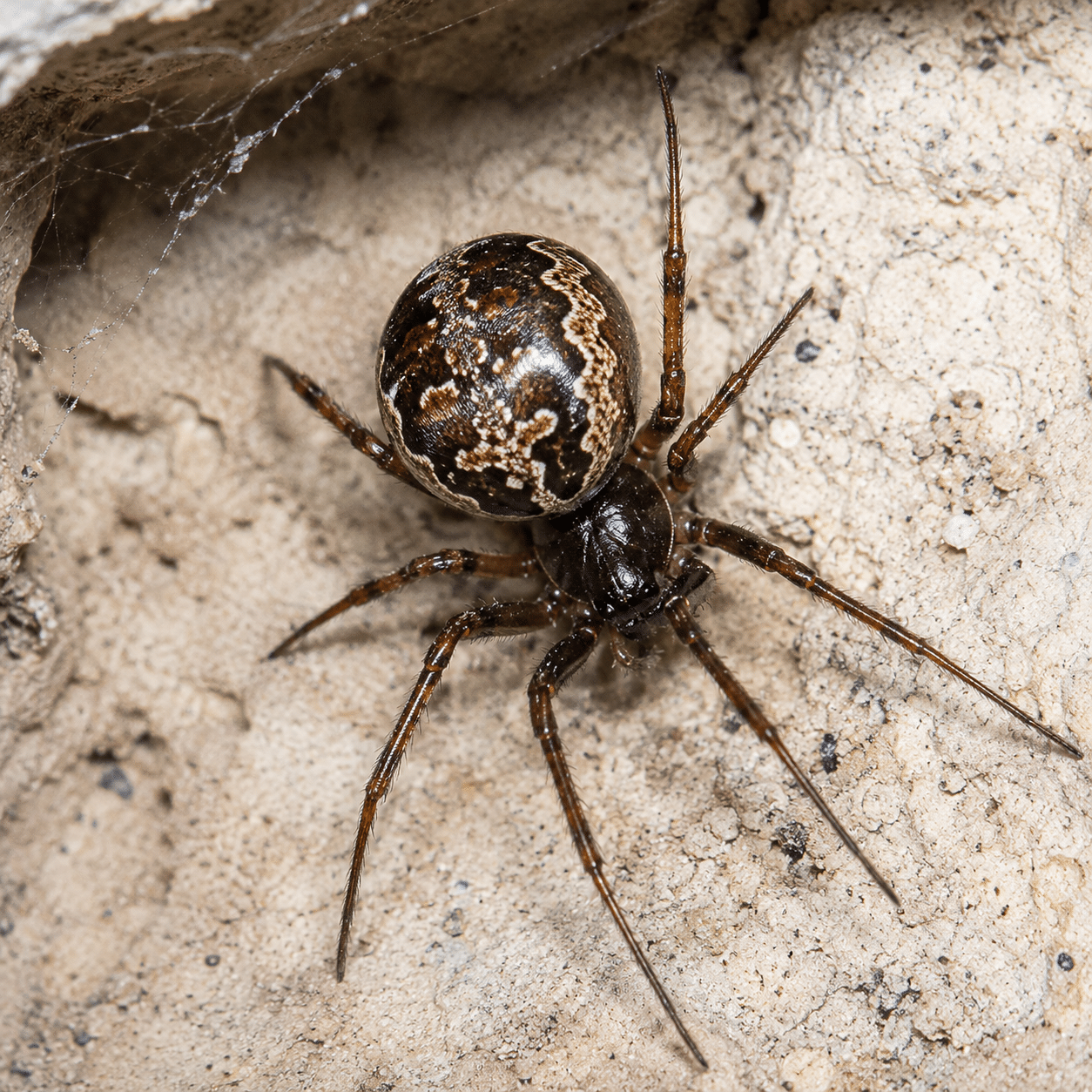
The false widow (Steatoda species) resembles the black widow but is far less dangerous. It can deliver a painful bite if handled, but serious reactions are uncommon. They tend to turn up in garages, sheds and undisturbed corners. Exactly the kind of spaces that accumulate in a property left empty for stretches of time.
The black widow (Latrodectus tredecimguttatus) does exist in the Alicante province, though encounters are far less common than expat folklore suggests. It prefers dry, undisturbed spots such as wood piles, stone walls and outbuildings. The bite warrants medical attention, though fatalities are extremely rare. Wearing gloves when handling firewood or moving objects that have been sitting in a dry corner is sensible practice.
The general rule: don’t handle spiders you can’t identify. Shake out footwear, gloves and garden gear left outdoors.
Snakes
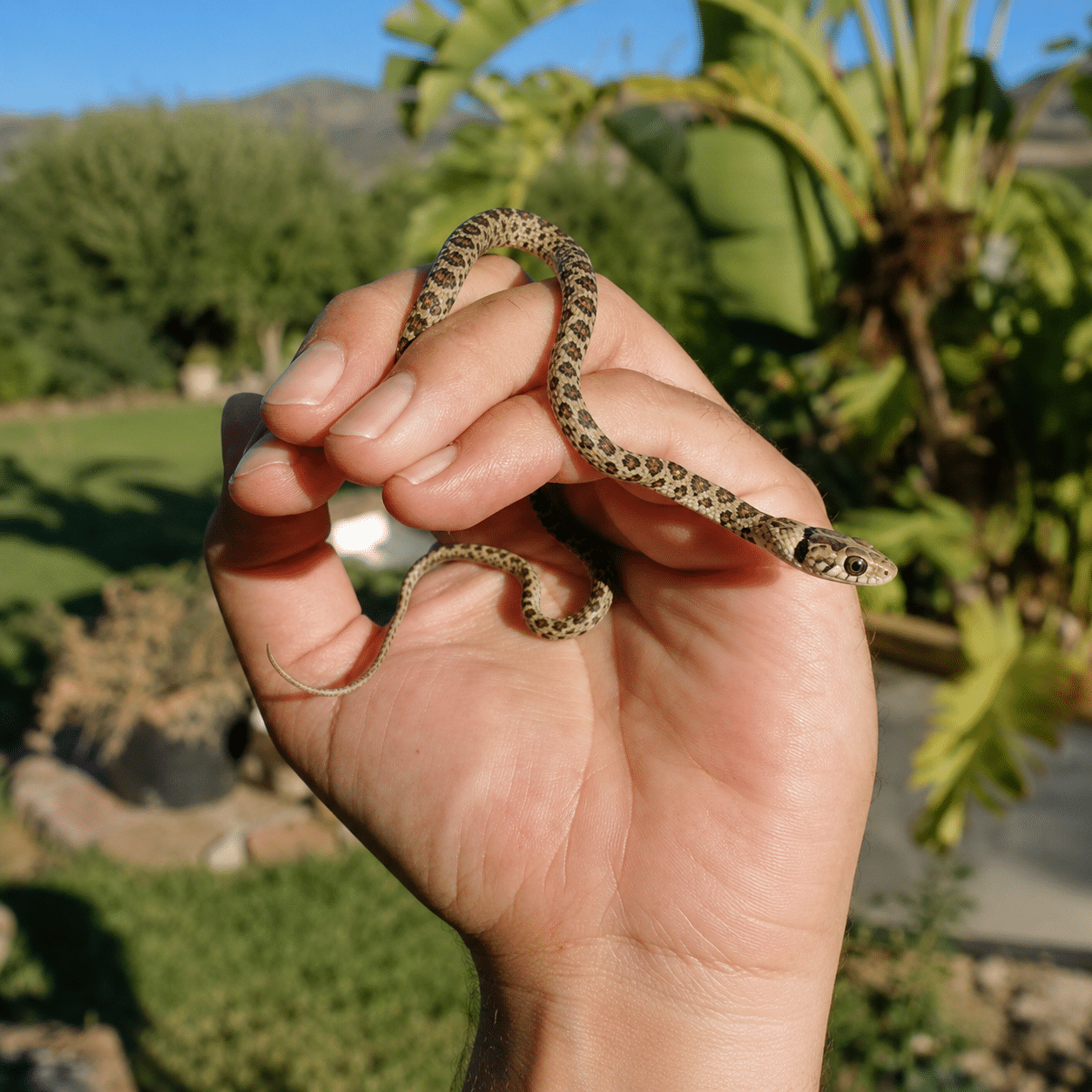
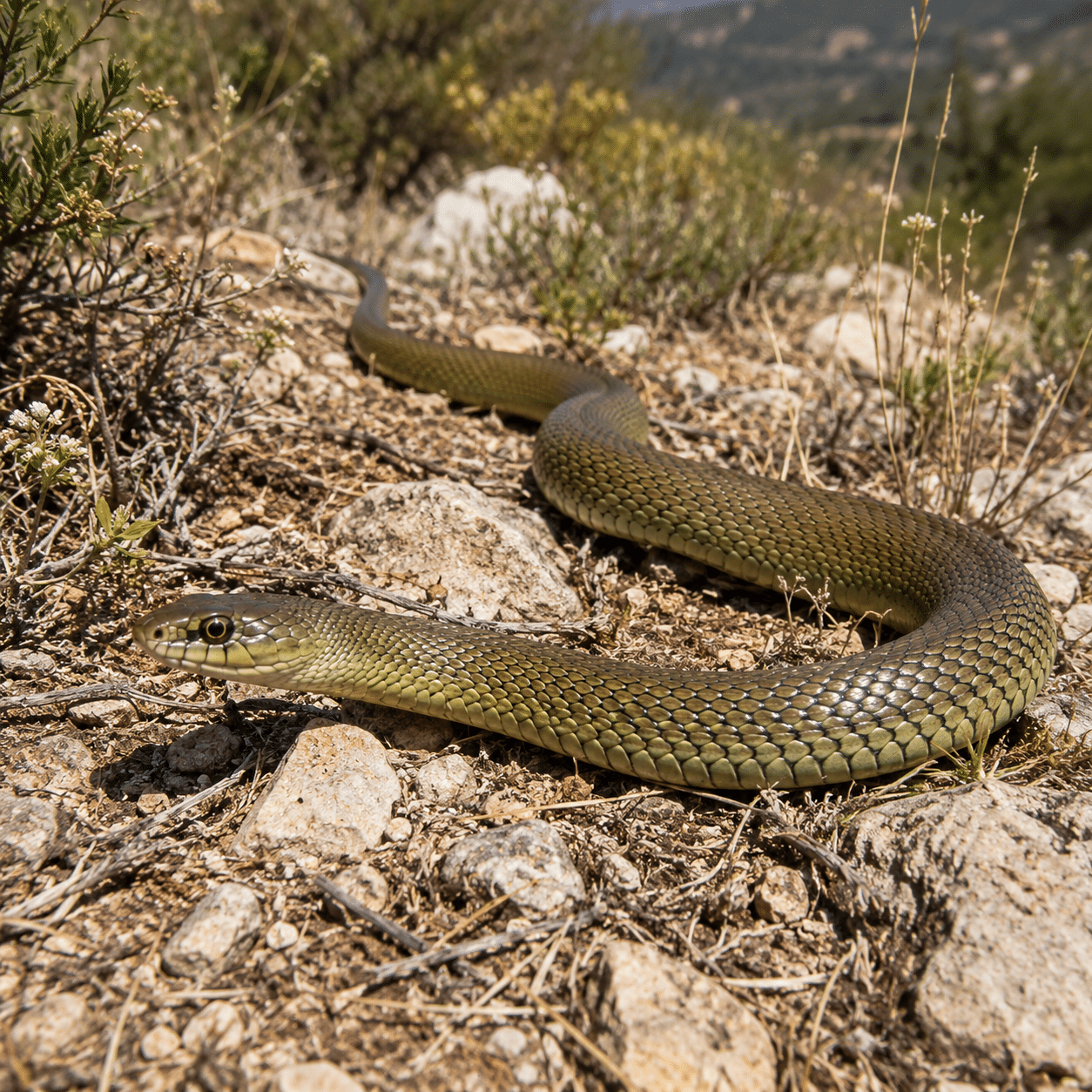
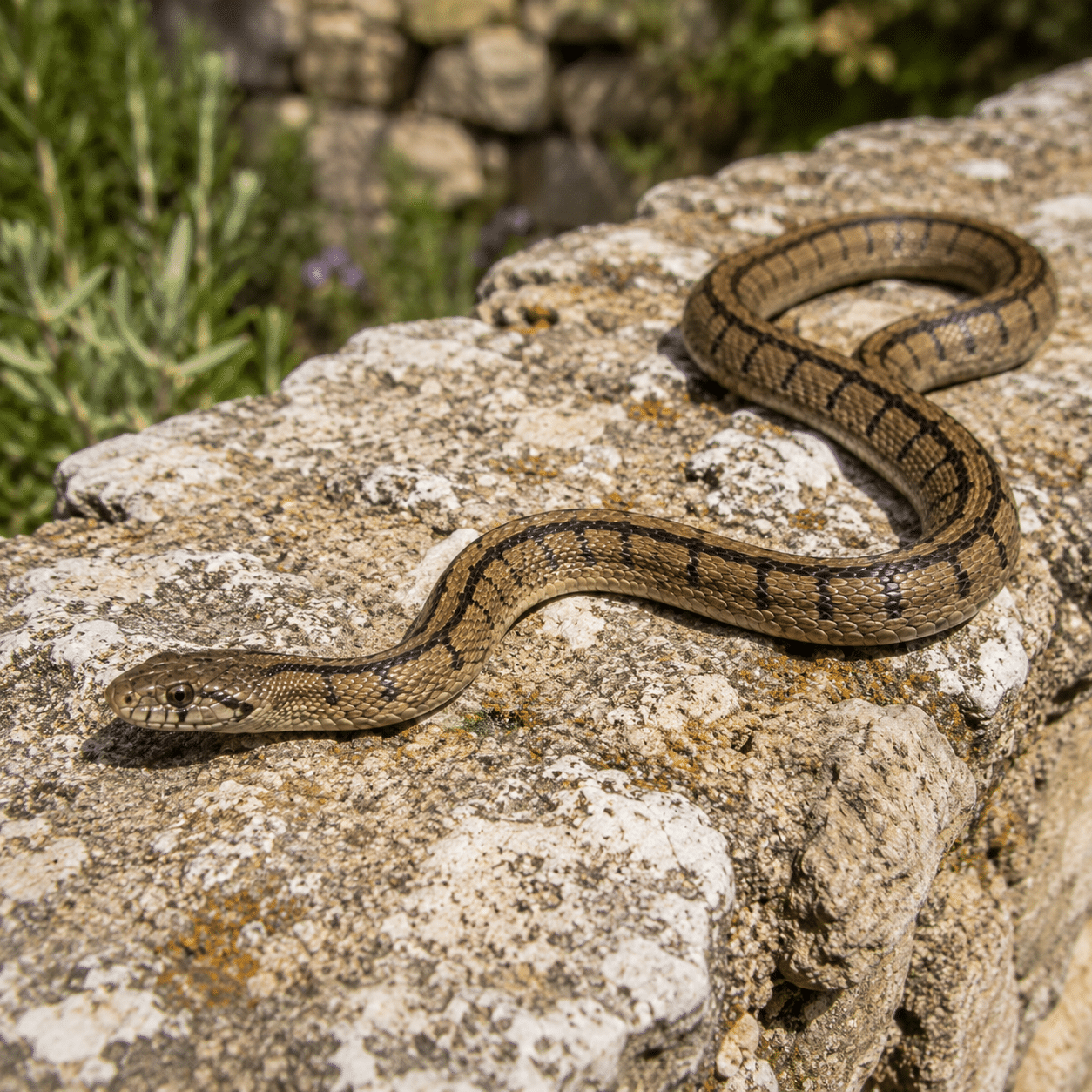
Snakes are present in the Costa Blanca. If you spend time in the garden, walk the surrounding countryside or have a rural or semi-rural property, you will almost certainly see one eventually. Most disappear the moment they sense you. All snakes in Spain are protected by law. The species you’re most likely to encounter are all harmless to humans.
The Montpellier snake (Malpolon monspessulanus, locally culebra bastarda) can reach up to two meters, is blue-toned with a white underbelly and has distinctive prominent ridges above the eyes. Its fangs are positioned toward the back of the mouth and it is not considered dangerous to humans.
The ladder snake (Rhinechis scalaris) is a rat snake — timid, but it will rear and strike if approached or threatened.
The horseshoe whip snake (Hemorrhois hippocrepis) is non-venomous but aggressive when handled and capable of a strong bite, though not dangerous to humans. It’s comfortable around human structures and an efficient rodent controller.
None of these are a cause for alarm. Leave them alone and they’ll leave you alone. In Jávea, if a snake gets into your home, the Policía Local will come out and remove it free of charge. Elsewhere in the area, your ayuntamiento or a pest control service can help.
Scorpions
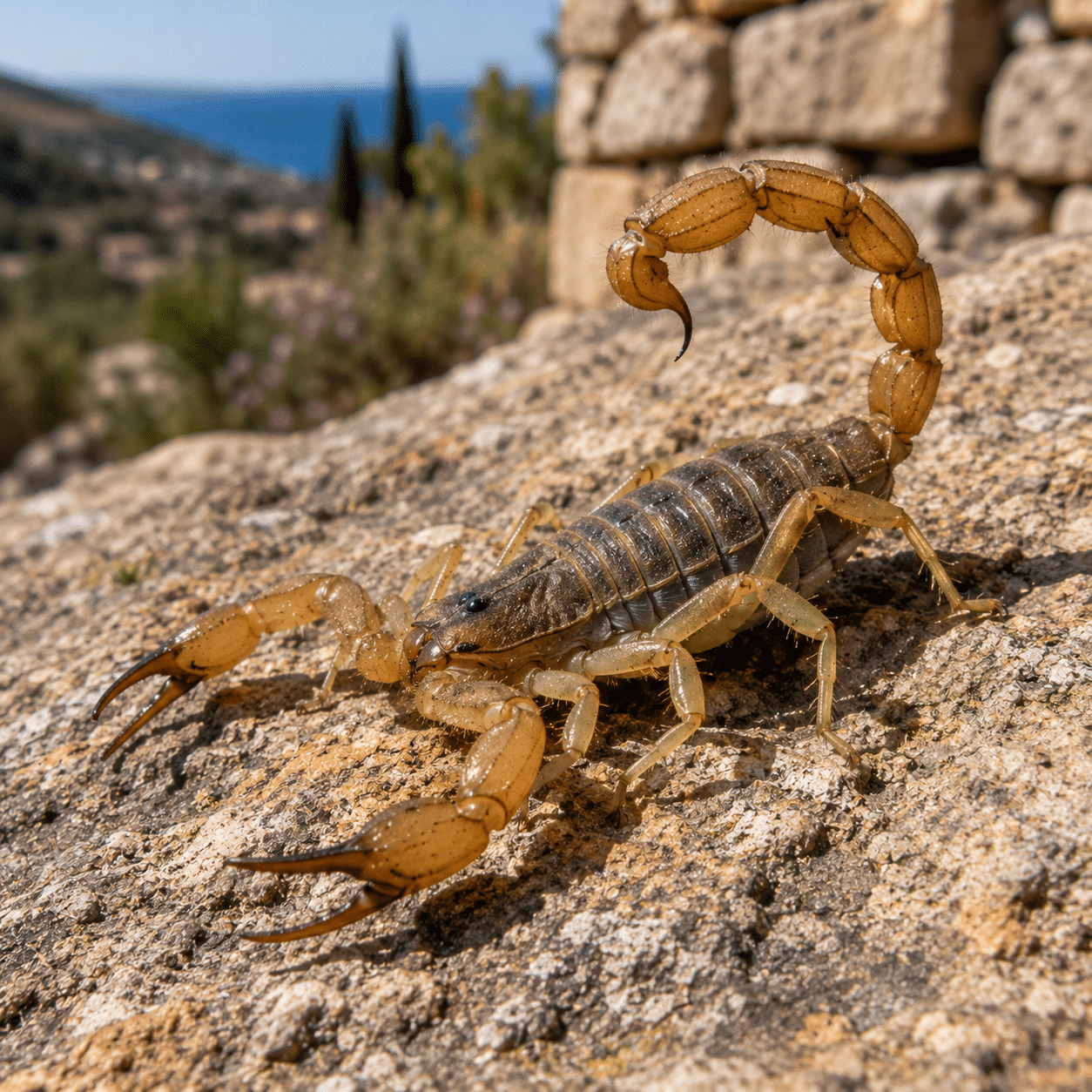
Scorpions are present in the Costa Blanca and wider Valencia region, but encounters are far less common than most newcomers expect. Homes that sit empty for part of the year are more vulnerable than well-maintained ones.
The Mediterranean yellow scorpion (Buthus occitanus) is not as dangerous as North African species but its sting is extremely painful. They’re rarely encountered inside well-maintained homes, but properties with stone walls, terraces, wood piles or terracotta pots are more likely habitat.
The sensible habits: check footwear left outdoors overnight, shake out gardening gloves before putting them on and be careful when shifting stones, pots or garden debris that have been sitting undisturbed. Scorpions are nocturnal and shy — if you’re not disturbing their habitat, you’re unlikely to meet one.
Geckos
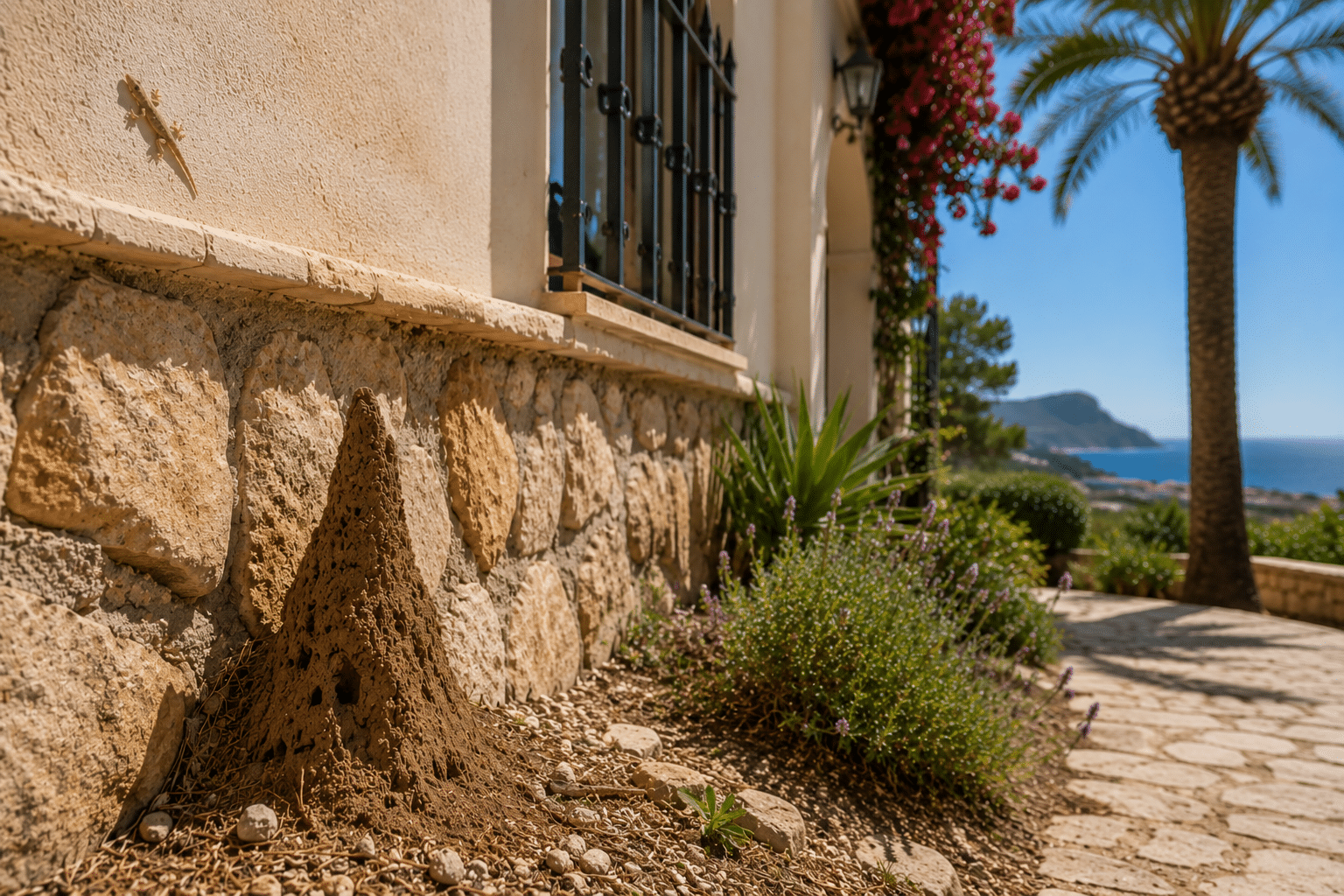
The Mediterranean house gecko (Tarentola mauritanica, locally salamanquesa) is one of the more charming discoveries for newcomers. You’ll find them on exterior walls at night, drawn to the insects gathering around outdoor lights and occasionally inside the house. They’re completely harmless, make a surprisingly loud chirping call for something so small and are voracious consumers of mosquitoes, flies and other insects. Most longtime residents consider them welcome guests.
The Iberian wall lizard (Podarcis hispanicus) is similarly ubiquitous in gardens, on stone walls and sunny terraces. It does no harm whatsoever. Both species are a sign of a healthy garden environment.
There’s nothing to do about geckos except enjoy them. If one gets inside, it will generally find its own way out or earn its keep while it’s there.
Ants and Cockroaches
Ants are near-universal in Spanish homes, particularly after rain or during dry spells when they’re seeking water indoors. Keeping food sealed and wiping down counters is the first line of defense. Ant gel bait products available at any supermarket or ferretería handle most situations. For persistent infestations, a single professional treatment typically runs €80–€150 for a standard house.
Cockroaches are present, particularly in older properties and around outdoor drains. Spanish cockroaches tend to come up from the drainage system. It’s a climate and infrastructure reality, not a reflection on your housekeeping. Drain covers and door sweeps help considerably. Professional treatment for a house typically costs €150–€450 depending on property size and severity.
Pine Processionary Caterpillars
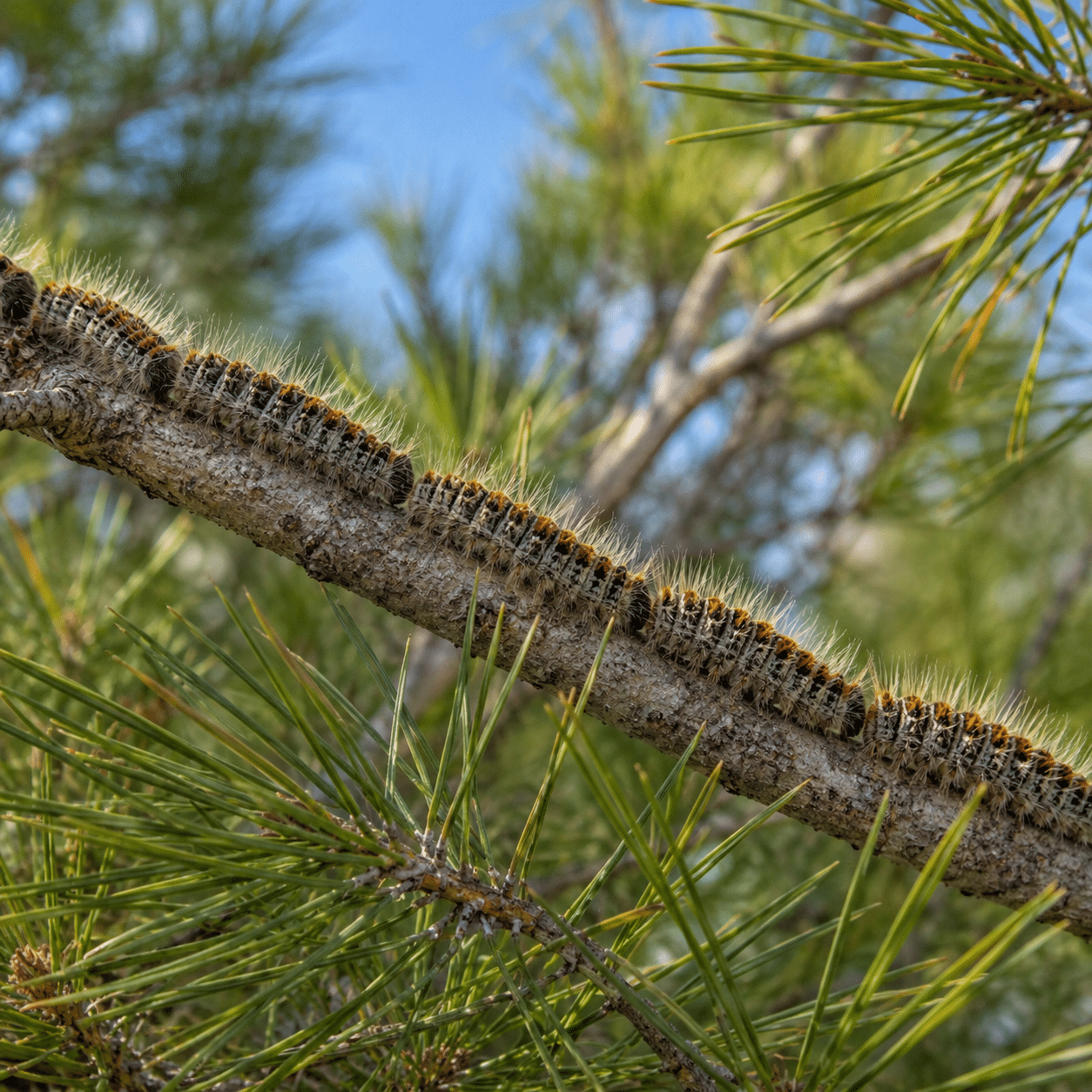
This one surprises most newcomers and deserves serious attention, especially if your property has pine trees. Many people focus on other pests, unaware they’re much more likely to endanger themselves and pets by getting too close to an innocent-looking line of caterpillars crossing a sidewalk in the early months of the year.
The larvae spend winter in visible white, cotton-wool-like nests high in pine trees, then descend to the ground in long nose-to-tail chains between December and April — the period when pets and young children are most vulnerable. The hairs are toxic, cause severe skin reactions and are extremely difficult to remove once embedded.
If you find a nest on your property, do not touch it. Contact local authorities or a pest control specialist to remove it safely — even empty nests retain hairs that remain a hazard. Check your garden before late January and remove any affected branches into plastic bags.
If you have dogs, keep them on a lead near pine trees from January through April. A dog that mouths a processionary column can suffer severe throat swelling requiring emergency veterinary treatment.
If you’re still in the buying process, a walkthrough of the property and land is worth doing with fresh eyes before you commit — your surveyor won’t flag a nest in the pine tree at the back of the garden. Our guide to the property purchase process covers what the inspection and due diligence stages look like.
Wasps and Hornets
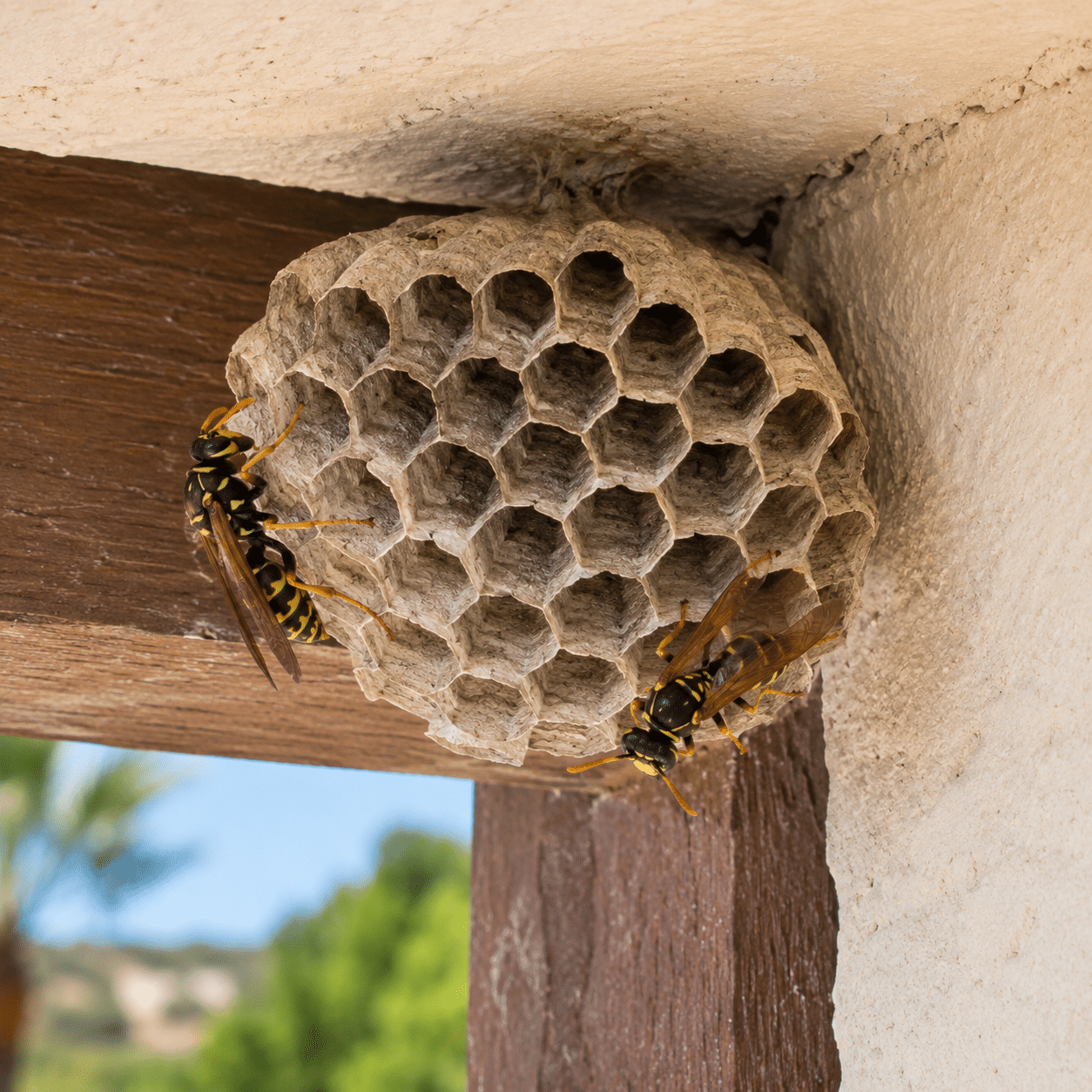
Paper wasps build small open-comb nests under eaves, shutters and pergola beams. They’re very common and generally non-aggressive unless the nest is disturbed. Check these spots at the start of each season, as nests found early are much easier to deal with. Expect to pay around €60–€100 for a professional wasp nest removal.
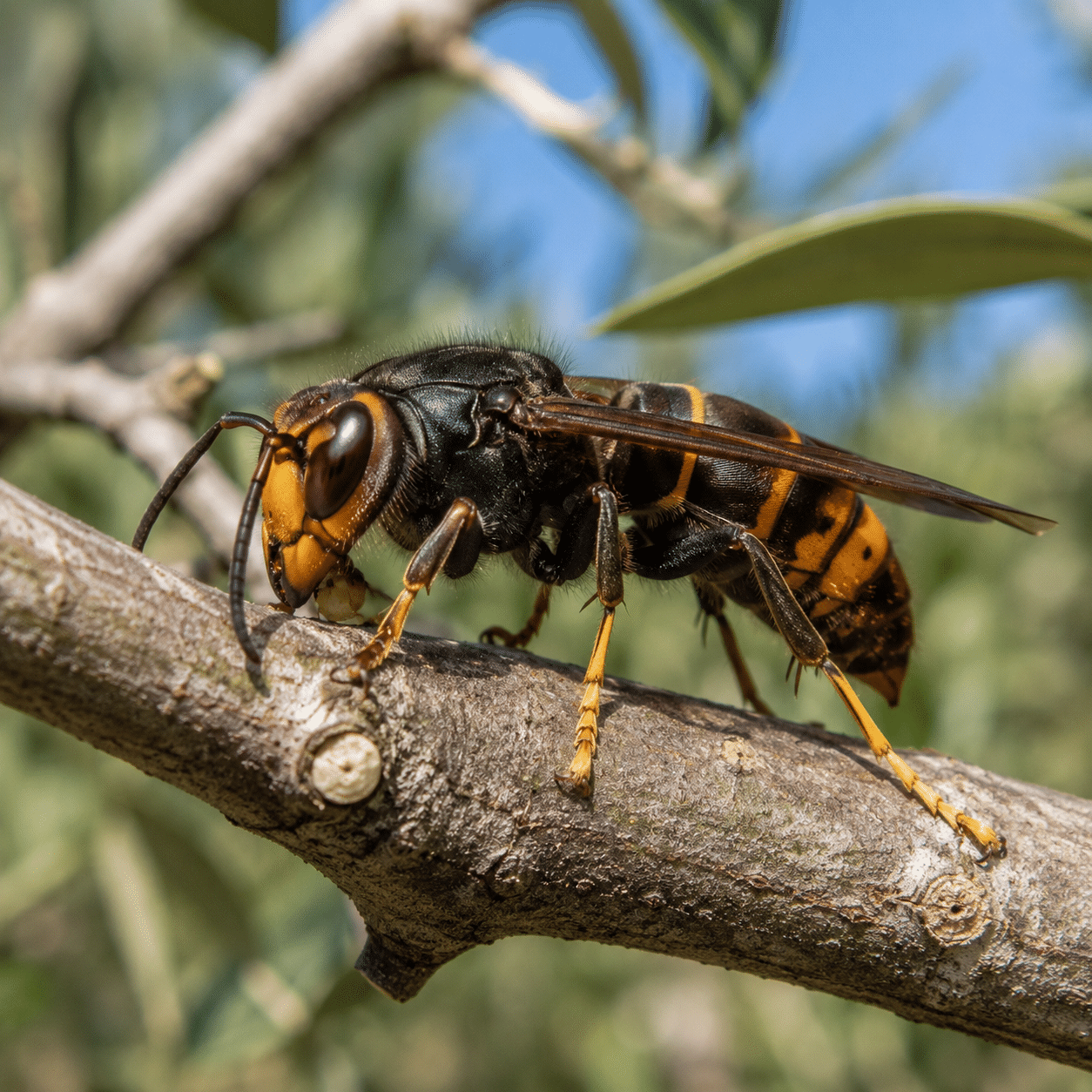
The Asian hornet (Vespa velutina) has expanded its range into the Valencia region and is larger than a common wasp. It’s dark brown with a yellow-tipped abdomen and notably more aggressive near its nest. If you spot a large round paper nest up to football size on your property, don’t approach it and call a professional. If you’re allergic to stings, carry an epinephrine auto-injector and make sure someone in your household knows where it is.
Termites and Palm Weevil
Both are property concerns rather than personal safety issues, but both can cause serious damage if left unchecked.
Termites are present across the Costa Blanca. Subterranean termites travel underground and can silently damage wooden structural elements, window frames and furniture long before anything is visible on the surface. If you’re buying property, include a termite inspection in your due diligence. Treatment for an active infestation runs around €450, with annual prevention contracts available at lower cost.
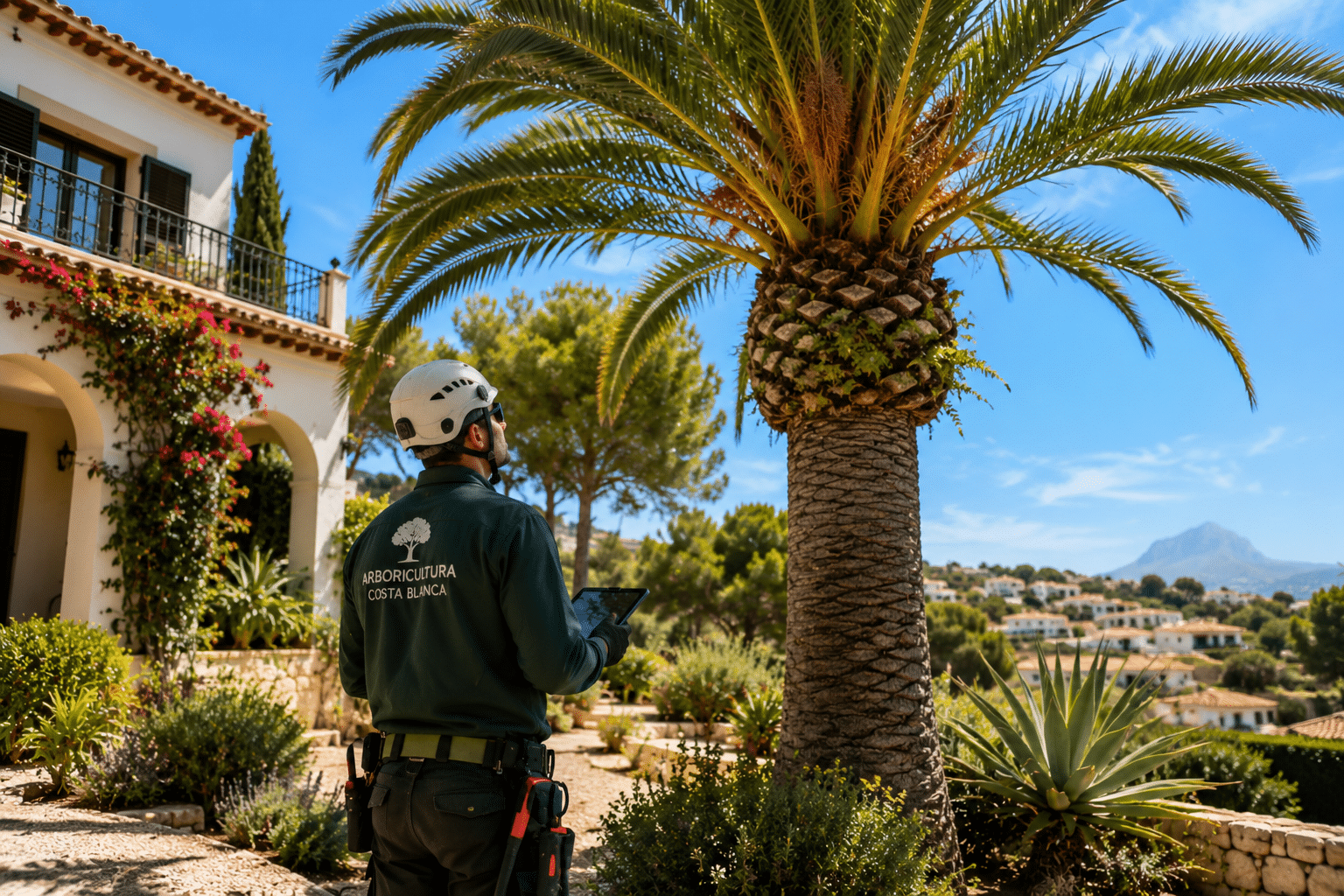
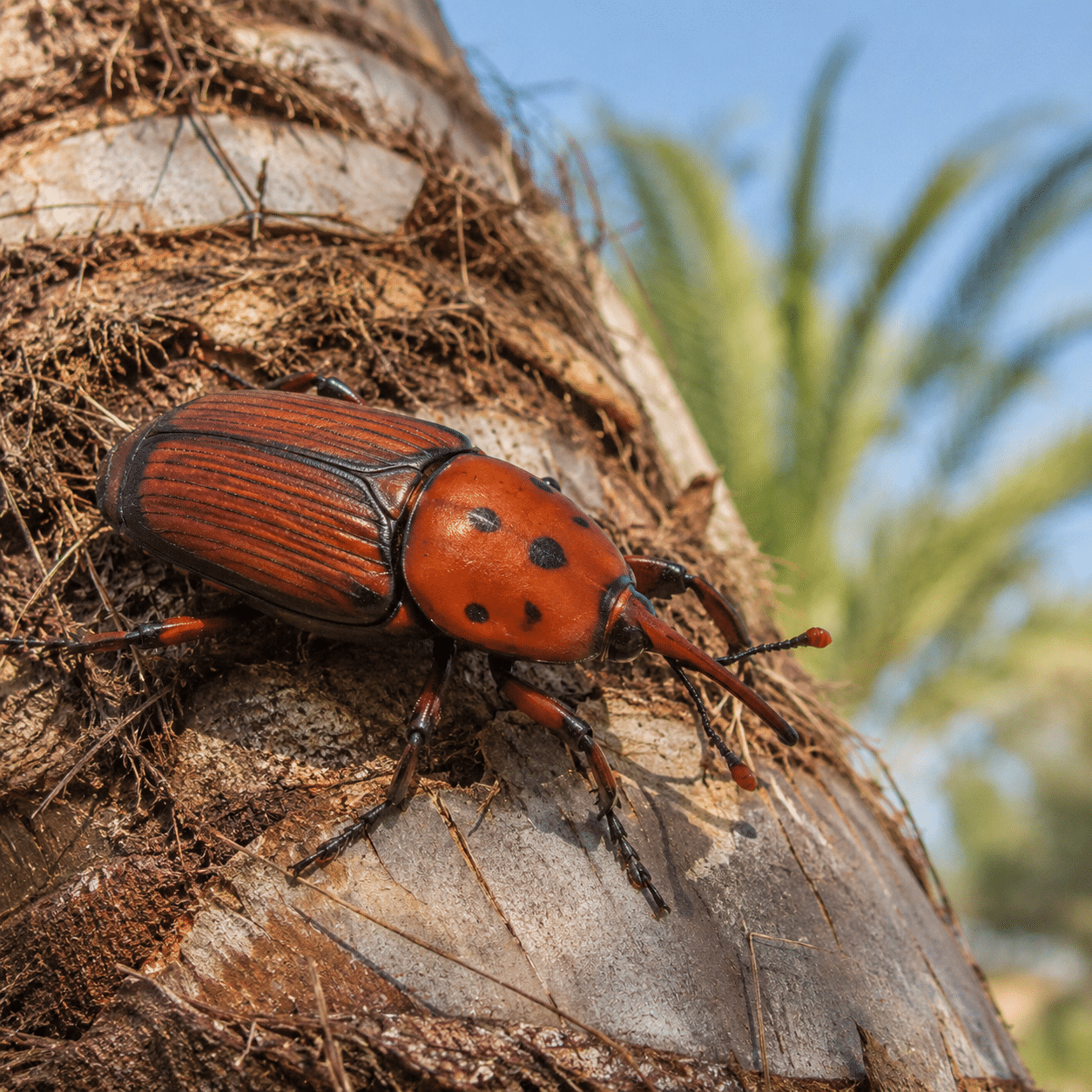
The red palm weevil (Rhynchophorus ferrugineus, picudo rojo) is a serious threat to the iconic Phoenix canariensis palms common on Costa Blanca properties. The larvae feed on the core of the palm and typically kill the tree before the infestation is visible externally. Signs include yellowing of new fronds or a fermentation smell at the crown. If you have palms, ask a local arborist about preventive treatment. It’s far less expensive than losing the trees.
Rodents
Mice and rats are a practical reality in rural and semi-rural properties across the Costa Blanca, particularly in homes that sit empty for part of the year. Stone construction, terracotta roof tiles and older properties with gaps around pipework give rodents easy entry points.
Prevention matters more than treatment: seal gaps around pipes and utility entries, don’t leave pet food or compost accessible and check outbuildings regularly if the property is unoccupied for stretches at a time. If you have an ongoing problem, a local pest control service is the efficient solution — bait stations, traps and exclusion work are all standard offerings. Rats in particular can be a problem near irrigation channels, orange and lemon groves and properties bordering agricultural land.
Working with Pest Control Services
Pest control in Spain is affordable, widely available and many companies cater specifically to English-speaking expats across the northern Costa Blanca. Most offer a free WhatsApp photo diagnosis. Send a photo of whatever you’ve found and get an assessment before committing to a visit. English-speaking companies typically charge a 20–30% premium over Spanish-language operators, so it’s worth getting a couple of quotes if budget is a consideration.
For general peace of mind, many property owners in the area set up an annual prevention contract which is typically one to three visits per year covering ants, cockroaches and common seasonal pests. Expect to pay €100–€200 per year for a standard villa depending on size and scope.
Quick Spanish Reference
Insects & Biting Pests
Spiders & Scorpions
Snakes
Garden Visitors (the good kind)
Rodents
Who to Call & Where to Go
FAQs
Are there any dangerous jellyfish or sea creatures I should know about if I’m swimming near Jávea or Dénia?
Yes — the Mediterranean does have jellyfish, and the medusa season roughly coincides with late summer. The most common is the mauve stinger (Pelagia noctiluca), which delivers a painful sting. Local beaches post warning flags when jellyfish are present and the Red Cross beach stations can treat stings on the spot. Vinegar is the standard first treatment — worth keeping on hand at a beach property.
Do I need a pest control contract, or is it something you only call for when there’s a problem?
Both approaches are common. If your property sits empty for part of the year, a preventive contract that includes periodic inspections and treatment is worth considering — problems tend to establish themselves when a home isn’t regularly occupied. If you’re living there full time and staying on top of basic prevention, reactive call-outs are usually sufficient for most owners.
What should I do if I think I’ve been bitten or stung by something I can’t identify?
For anything beyond minor local swelling, the centro de salud (local health center) is your first stop — they deal with bites and stings routinely and will know exactly what’s common in the area. If symptoms are severe or progressing rapidly — difficulty breathing, widespread swelling, dizziness — go directly to urgencias (the emergency department) or call 112.
Are wild boar a concern near Jávea and Dénia?
They are present in the Montgó Natural Park and surrounding scrubland and are occasionally spotted near rural and semi-rural properties, particularly at night. They’re not aggressive toward humans unless cornered or with young. The main practical concern is garden damage — they root for bulbs and grubs and can wreck a garden bed overnight. Solid fencing around planted areas is the most effective deterrent.
Is there anything specific to watch for if I have a pool?
A few things. Standing water in and around the pool area — plant saucers, uncovered water features, blocked drainage — is prime tiger mosquito breeding ground, so keep everything treated and drained. Scorpions and spiders are occasionally found around pool equipment and filter housing, so gloves are sensible when doing maintenance. And if you find a gecko in the pool, fish it out — they’re protected, harmless and will return the favor by eating every mosquito in sight.

Before Moving
Everything you need to sort before you leave — visas, NIEs, finances and the hundred other things on your pre-move list.

After The Move
What you need to get sorted once you arrive — utilities, healthcare, paperwork and all the practicalities of your new life in Spain.

Property Guide
Here’s what to know about buying property in Spain as an American — from your first search to signing at the notary.

Resources
Checklists, glossaries and vetted websites to help you plan, prepare and hit the ground running in Spain.

Our Journey
Follow along as we document our move from Portland, Oregon to Jávea, Spain — the highs, the headaches and everything in between.
This page last updated: