
Before Moving To Spain
Moving Things
To Spain
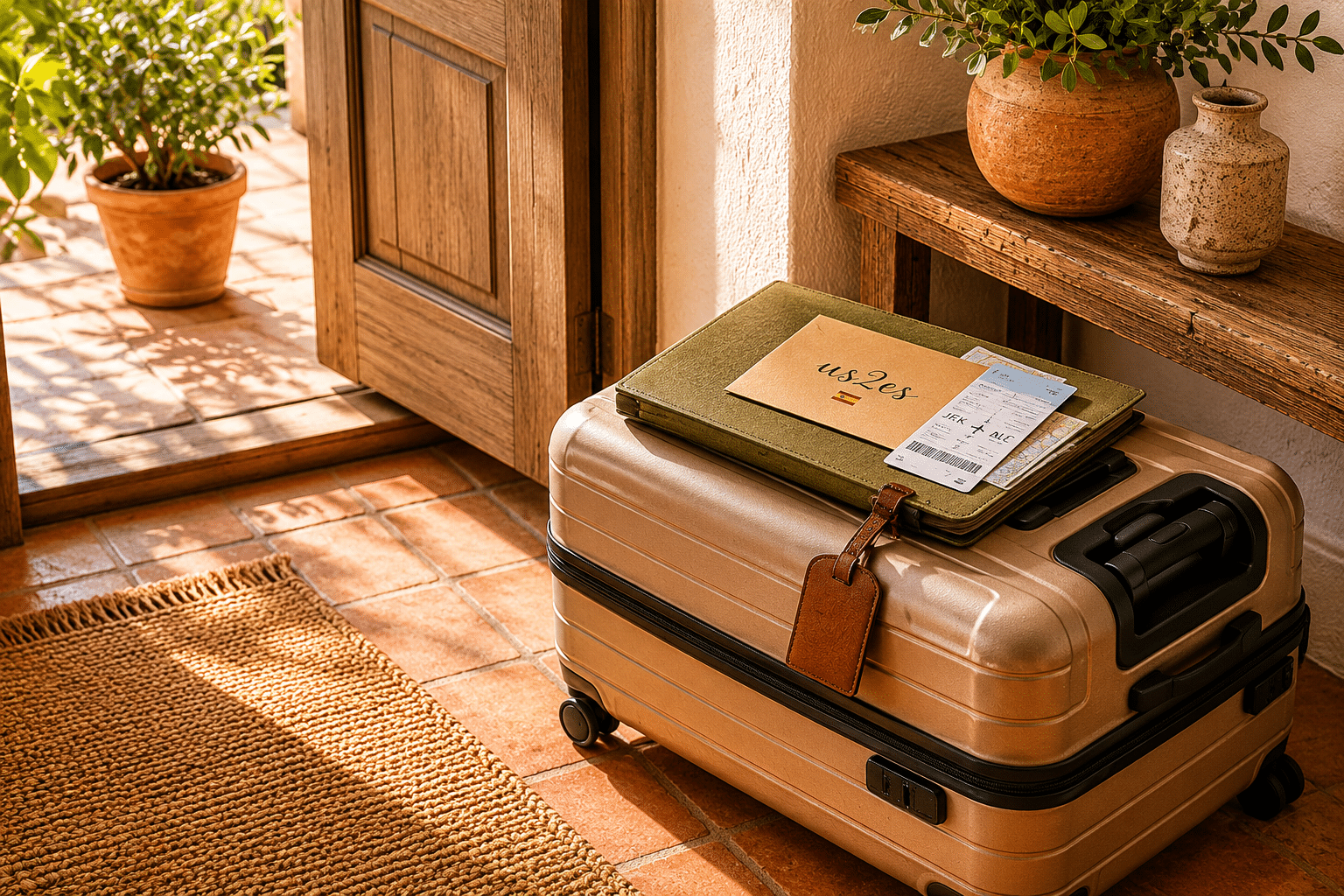
Moving things to Spain from the US seems straightforward at first, but quickly becomes more complex once you start digging into the details. There are a lot of moving parts. The decisions you make early on can have a meaningful impact on cost, timing, and how smoothly everything comes together.
The good news is that there are multiple ways to approach it. Most people find a solution that fits their situation. The key is understanding the tradeoffs and being intentional about what you bring, how you ship it and how it will fit into your new life in Spain. If you’re moving with a pet, make sure to check out our separate guide on that topic.
What Counts As Household Goods
When it comes to shipping items internationally, Spain generally considers “household goods” to be personal belongings that you’ve already owned and used prior to your move. This includes things like furniture, clothing, kitchen items, electronics and other everyday possessions that would reasonably be part of a household.
To be treated as household goods items are expected to be for personal use and not intended for resale. They should also be used rather than brand new and consistent with what someone would typically move when relocating. If you include large quantities of new items or duplicates, it can raise questions during customs and may result in those items being taxed differently.
Customs And Taxes: What To Expect
One of the more important parts of the process, and one that’s easy to underestimate, is how customs works when your shipment arrives in Spain.
If you’re moving as a new resident, you may qualify for what’s known as a “transfer of residence”. It allows you to import your used household goods without paying VAT or import duties. This can be a significant benefit but has some requirements. You’ll generally need to show that you’re establishing residency in Spain, that you previously lived outside the country and that the items you’re bringing have been owned and used prior to your move. Timing also matters. Shipments typically need to arrive within a certain window of your relocation.
If those conditions aren’t met, your shipment may be subject to Spain’s VAT, which is 21%. You may also be subject to additional duties depending on the contents. This is one of the areas where planning ahead and getting the details right can make a meaningful difference financially.
Prohibited And Restricted Items
Spain and the EU have restrictions on certain categories of items that are worth knowing before you pack. Foods including meat, dairy and fresh produce from outside the EU are generally not permitted. Plants and soil may require phytosanitary certificates or be prohibited outright. Firearms and weapons have strict import rules and typically require advance authorization. Certain medications that are legal in the US may be controlled substances in Spain and should be accompanied by a prescription and doctor’s letter.
If you’re unsure about a specific item, Spain’s customs authority (Agencia Tributaria) is the definitive source, or ask your moving company — a good one will flag anything problematic before it goes in the container.
Required Paperwork And Documentation
Like most things in Spain the process is documentation-driven. You’ll need to provide a detailed inventory of what you’re shipping along with supporting documents such as your passport, visa or residency paperwork and proof that you lived outside Spain before the move.
The inventory is particularly important. It should be clear, organized, and consistent with the contents of your shipment. In many cases it will need to be translated into Spanish. If you’re working with a professional moving company, they’ll usually guide you through this and help prepare the necessary paperwork. If you’re handling things yourself, it’s worth taking extra time to make sure everything is accurate as even small inconsistencies can lead to delays at customs.
How Your Items Get To Spain
There are several ways to move your belongings to Spain and the right choice depends largely on how much you’re bringing and how quickly you need it.
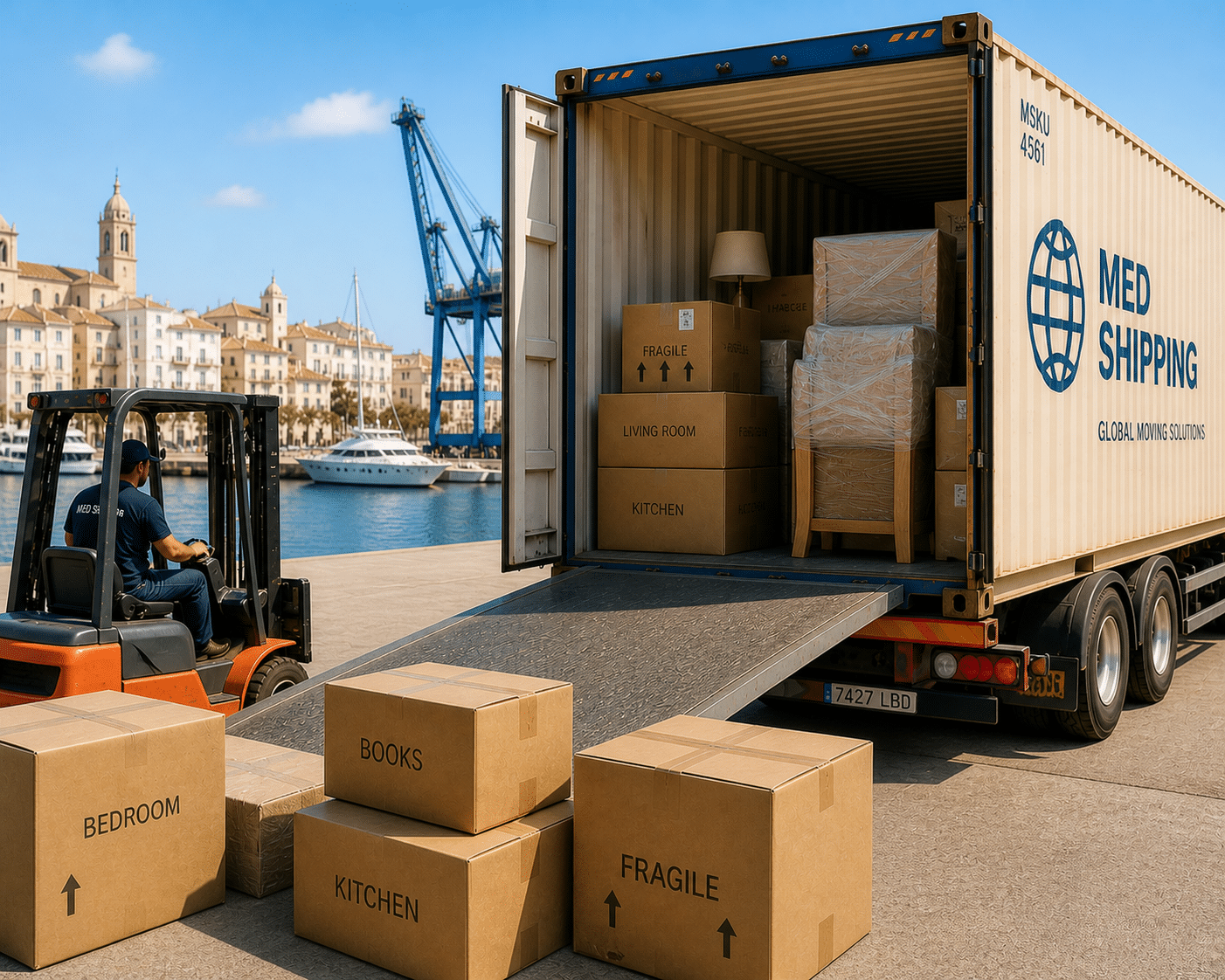
Most people use sea freight for larger shipments. It’s significantly more cost-effective than air freight and is well-suited for furniture and bulk household items. With sea freight you can either ship a full container if you’re moving an entire household or share a container if you’re sending a smaller volume. Transit times are typically measured in weeks rather than days and usually fall somewhere in the four to eight week range. Companies like Sirelo, Schumacher Cargo and International Van Lines specialize in Spain-bound household relocations.
Air freight is much faster, but also much more expensive. It’s generally used for smaller shipments or items you’ll need right away after arriving. Because of the cost difference many expats end up using a combination of both: bringing essentials with them or sending a small shipment by air while the majority of their belongings travel by sea. To move items via air you can consider most international airlines and logistics firms such as DHL, Kuehne+Nagel, or IAG Cargo.
Moving Costs And What Drives Them
The cost of moving your household to Spain can vary quite a bit depending on volume, distance and how much of the process you outsource.
Smaller shipments might cost a few thousand dollars, while larger full-container moves can easily run $15,000–$30,000 or more. Air freight, while fast, tends to be the most expensive option on a per-item basis. Beyond the base shipping cost there are also additional expenses to consider including packing services, insurance, customs handling and final delivery.
Arrival, Ports And Final Delivery
Most shipments enter Spain through major ports like Valencia, Barcelona or Alicante.
Once your goods arrive, they’ll go through customs clearance before they can be released. From there, the final step is getting everything to your home. If you’re working with a moving company this is usually handled as part of the service. If you’re managing things yourself you’ll need to coordinate local transport.
This last part is something many people don’t think about until later. In rural areas or places with narrow streets and limited parking, access to your property can influence how delivery is handled. Planning for that ahead of time can help avoid surprises on arrival day.
DIY Vs Professional Moving
DIY can work well if you’re shipping a small volume, have flexibility on timing and are comfortable navigating paperwork in a foreign country. The savings can be meaningful. The tradeoff is that mistakes in customs documentation can cause real delays and there’s no one to call when something goes sideways.
Most expats end up somewhere in the middle — handling some parts themselves while outsourcing the more specialized pieces like customs clearance or final delivery. Understanding where your time and stress tolerance are best spent is the most useful guide for deciding how much help to get.
When to Start Planning The Move Of Your Things
Most people underestimate how much lead time an international move requires.
A general rule of thumb is to start the process three to six months before your intended move date. That gives you enough time to get quotes, decide what you’re shipping, sort out paperwork and book your preferred company before their schedule fills up. If you’re moving during peak periods like summer, starting earlier is better.
Customs processing and port handling can also add time on the receiving end, so building in a buffer between your shipment date and when you actually need your belongings is worth doing.
Using Professional International Moving Companies
Working with a professional international moving company simplifies the process significantly. They can handle everything from packing and inventory preparation to shipping logistics, customs clearance and final delivery to your home in Spain. They’re also familiar with Spanish import requirements. That can help reduce the risk of delays or unexpected issues at customs.
While this is the most convenient option, it does come at a higher cost. Pricing will depend on how much you’re shipping and the level of service you choose. Services range from basic transport to full door-to-door service where everything is packed, shipped, delivered and even set up in your new home. For many expats, the added cost is worth it for the time saved and the peace of mind.
Even if you don’t go completely full-service, many companies offer flexible options where you can choose which parts of the process you want help with. This makes it easier to find a balance between cost and convenience that works for your situation.
How to Choose An International Moving Company
If you decide to work with a moving company, it’s worth taking a little time to compare your options. Not all international movers operate the same way. The level of service, communication and pricing can vary quite a bit.
Start by getting a few quotes, so you can understand what’s included and how pricing is structured. Some companies offer all-inclusive pricing. Others break out costs for packing, shipping, customs handling and delivery. Make sure you understand what’s covered so there are no surprises later. It’s also helpful to look for companies that have experience specifically with moves to Spain. Familiarity with Spanish customs procedures and documentation requirements can make a noticeable difference in how smoothly your shipment is handled.
Reviews and recommendations can be useful as well. Hearing from others who have completed a similar move can give you insight into how reliable and responsive a company is throughout the process. Finally, pay attention to how the company communicates early on. Clear, timely responses and a willingness to answer questions are often a good indicator of how the rest of the process will go.
What’s Actually Worth Moving To Spain
One of the most common realizations people have during this process is that not everything from the US makes sense to bring to Spain. Homes are often smaller, layouts are different and some furniture or appliances may not fit or function the same way.
Many expats choose to bring items that are sentimental, high-value or difficult to replace. They plan to purchase the rest locally once they’re settled. Taking a step back and thinking about how you’ll actually live in Spain can help guide those decisions.
Electronics And Voltage Differences
Electronics are another area where it’s worth thinking twice before deciding what to bring.
Spain operates on a 230V electrical system compared to 120V in the US. Plus, it uses different plug types. While some modern devices like laptops, phones, and tablets are designed to handle both voltages with a simple plug adapter, many larger electronics and appliances are not.
Items like TVs, kitchen appliances and anything with a motor or heating element may require a voltage converter which can be bulky, expensive and not always reliable for long-term use. Many expats choose to bring only smaller, dual-voltage electronics and replace larger or incompatible items after arriving in Spain. It’s usually far simpler and a much more practical solution in the long run.
Packing For An International Move
International shipping puts more stress on your belongings than a domestic move. Boxes change hands multiple times and sea containers can shift during transit. Investing in quality packing materials makes a difference. Double-box fragile items, use plenty of padding and label everything clearly on multiple sides. Keep an itemized list of what’s in each box — you’ll need it for your customs inventory anyway.
Avoid packing anything valuable, irreplaceable or essential in your sea shipment. Those items should travel with you or go by air. Also be aware that sea containers can experience temperature and humidity changes on long voyages, so moisture-sensitive items like artwork, instruments or certain electronics may need extra protection or a different shipping method.
Insurance And Peace Of Mind
While international shipping is generally reliable, it still involves a long journey with multiple handling points. Insurance is usually recommended, especially for higher-value shipments. It provides protection in case of damage, loss or delays. It’s one of those things that may feel optional, but most people are glad to have it if something unexpected happens.
Vehicles, Wine And Other Special Items
Some items require a bit more thought before deciding to bring them to Spain, especially things like vehicles, wine collections, or higher-value specialty goods.
Shipping a car from the US is possible but it’s often more complicated than most people expect. Beyond the cost of transport, you’ll need to consider import taxes (if you don’t qualify for exemptions), homologation requirements to meet EU standards, registration, and ongoing maintenance or parts availability. You can find out more in this post. Many expats choose to sell their vehicle in the US and purchase one locally once they arrive. It’s usually a far cheaper option, even if you purchase a new car in Spain.
Wine collections and specialty goods can be shipped, but may be subject to additional scrutiny, quantity limits, or taxes depending on how they’re classified. Alcohol, in particular, can trigger customs duties if it exceeds personal-use thresholds. These types of items often fall into a gray area between household goods and regulated imports. It’s worth checking the rules in advance or working with a shipping company that has experience handling them.
FAQs
Can I store my belongings in Spain if my home isn’t ready yet?
Yes, most international moving companies offer short-term or long-term storage options in Spain. This can be helpful if your shipment arrives before you have access to your new home.
Do I need to be present for delivery at my home in Spain?
In most cases, yes. You or an authorized representative will typically need to be there to receive the shipment, confirm delivery, and sign any required paperwork.
What happens if something is damaged during the move?
If you’ve purchased insurance, you can file a claim with your moving company or insurer. It’s important to document any damage as soon as the shipment is delivered and follow the company’s claims process.
Can I ship items separately at different times?
Yes, many people break their move into multiple shipments. This can be useful if you want to send essentials first and delay larger or less critical items until you’re fully settled.
Will customs open and inspect my boxes?
Sometimes. Spanish customs may inspect shipments to verify contents against your inventory. This is normal and usually handled by your moving company or customs agent.
Can I include personal documents or valuables in my shipment?
It’s generally not recommended. Important documents, jewelry, and high-value items are better kept with you during travel to avoid risk of loss or delay.
What happens if I arrive in Spain after my shipment?
This can complicate customs clearance, especially if your residency status or documentation isn’t in place yet. It’s usually best to coordinate timing so you or your representative can manage the process when your shipment arrives.

Before Moving
Everything you need to sort before you leave — visas, NIEs, finances and the hundred other things on your pre-move list.

After The Move
What you need to get sorted once you arrive — utilities, healthcare, paperwork and all the practicalities of your new life in Spain.

Property Guide
Here’s what to know about buying property in Spain as an American — from your first search to signing at the notary.

Resources
Checklists, glossaries and vetted websites to help you plan, prepare and hit the ground running in Spain.

Our Journey
Follow along as we document our move from Portland, Oregon to Jávea, Spain — the highs, the headaches and everything in between.
This page last updated: