Our Move To Spain
More Things To Know
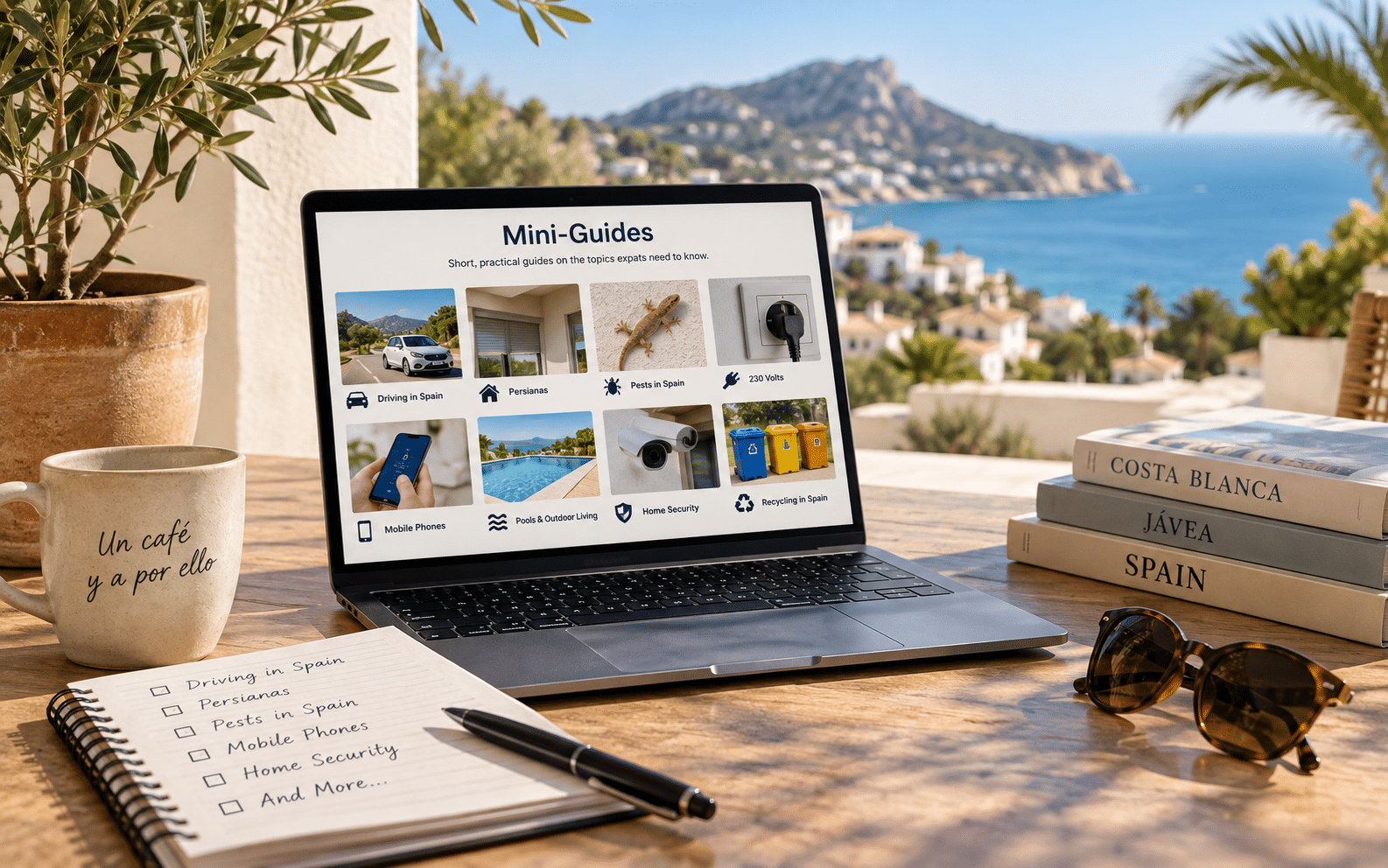

Our Move To Spain
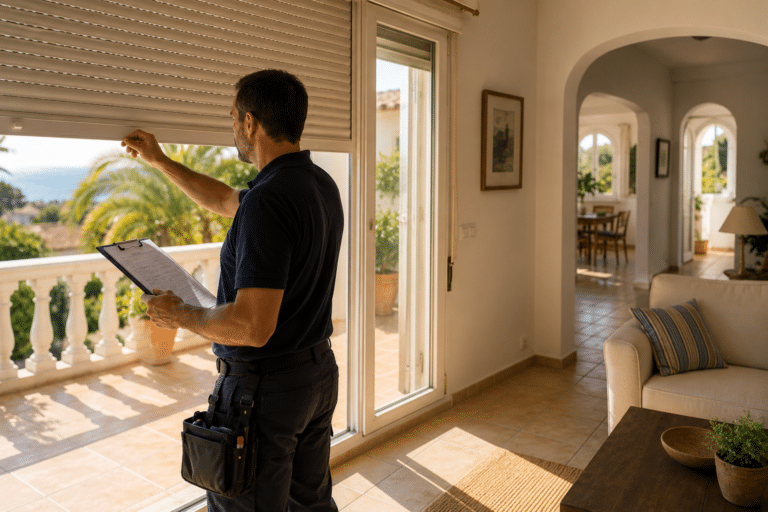
We just put in a new page covering a topic that doesn't show up on most "moving to Spain" checklists, but will end up mattering a lot once we're living in Spain: home services. Things we'll need like a house cleaner, gardener, pool maintenance, pest control, handy person and more— the whole list of people we'll eventually need to find and hire to keep our new Spanish home running.
There were several things that surprised us as we did our research.
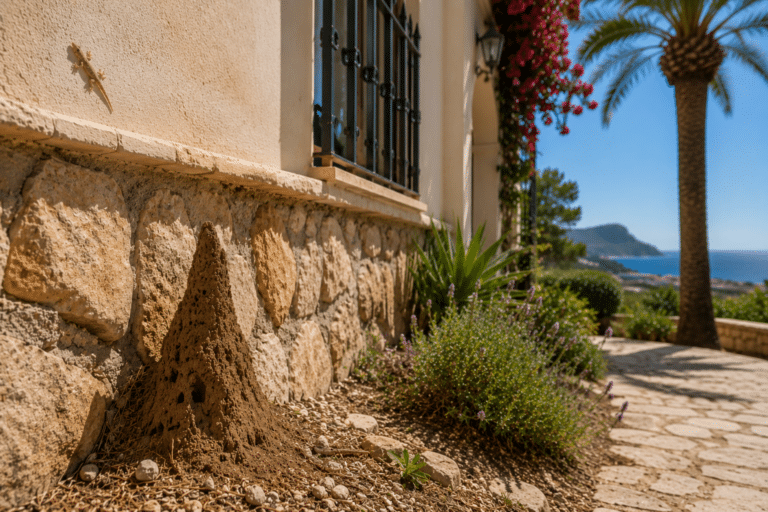
We now have two house hunting trips to Jávea under our belt— one last August and one in February. It was a great way to see everything in two different seasons.
One of the things we started thinking about when we got home was: what about pests? Is it like Florida where there are mosquitoes and snakes around all the time?
The reality, as it turns out, is there are some of the typical ones that one would expect, along with some that are specific to the Mediterranean climate. Yes, there are snakes. Yes, there are scorpions. And yes, a unique creature — the pine processionary caterpillar — that every pet owner in this part of Spain genuinely needs to know about before their first January here.
Leishmania in Spain is one of the first things any dog owner should research before making the move — and one of the last things most Americans think to look up. It's not something most of us have ever encountered back home, but in Spain it's endemic, it's serious, and it catches expat dog owners off guard with regularity.
As soon as we arrive in Spain, we’ll register our Spanish address with the Smart Traveler Enrollment Program (STEP). We do this for short trips and vacations we take outside the US now. It's just as important when moving for a longer period of time. STEP is a free service run by the US Department of State that lets US citizens register their location when they’re outside the United States.
One of the first things when we get to Spain is to become more fluent in Spanish. We're planning on going to language school, use apps and online resources to stay consistent. But to really be successful for the long term, we know a lot of that learning is going to have to be immersion—living day to day in Spain.
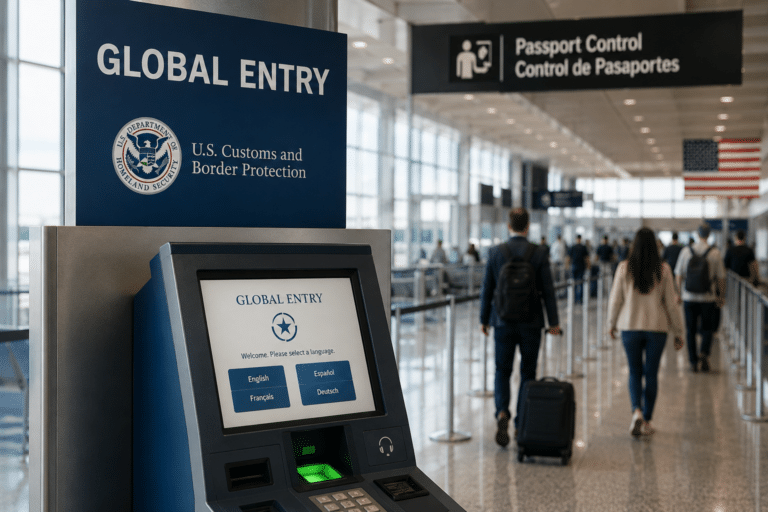
if you have Global Entry and you're spending a significant chunk of time living abroad, there are two things you should make sure are current in your Trusted Traveler Program (TTP) account.
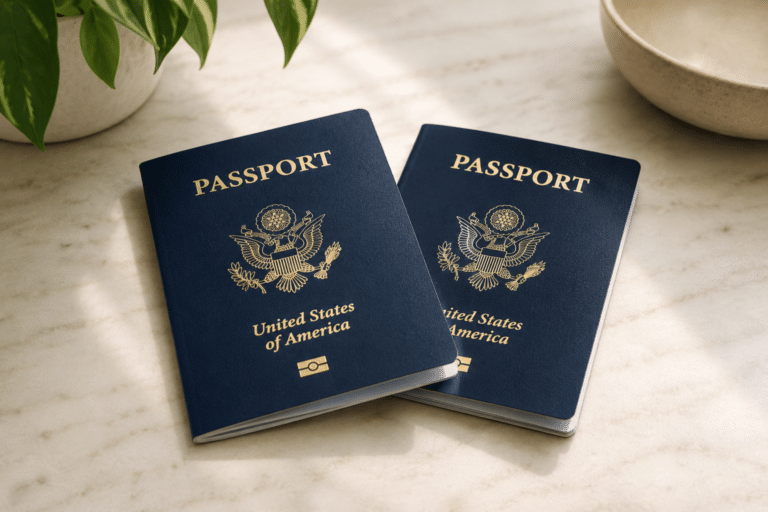
A second US passport can keep your international travel on track if you're without your original passport.
Usually when applying for entry to foreign country that requires you to have an entry visa, you have to send away your existing US passport with the visa application. Processing by that country can sometimes take as long as two or three months. While you're without your passport, you can't travel outside the US and that includes Canada or Mexico.
Les Freses ("the strawberries" in Valencian), sits just outside the village of Jesús Pobre on the edge of the Montgó Natural Park between Javea and Dénia. The owner acquired what was a strawberry farm in the 1970s and when the strawberry business didn't pan out, it was converted into a winery.
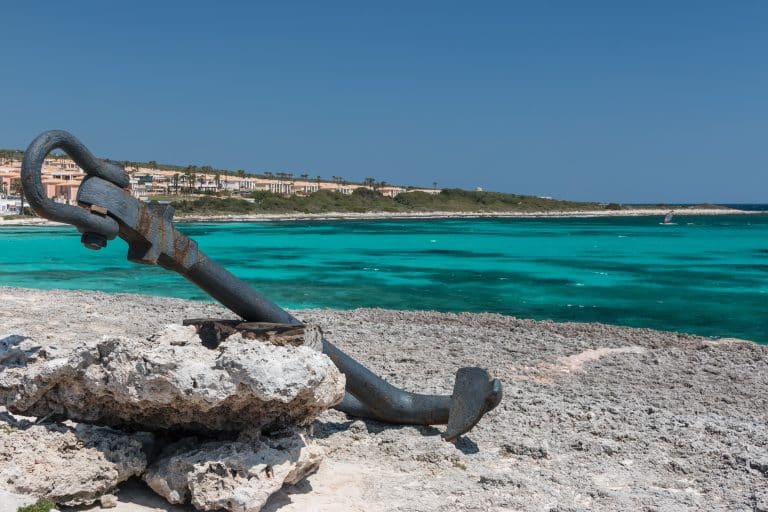
We've traveled quite a bit around Spain in years past, but still need to check out a few parts of the Spanish mainland such as southwest Murcia, the La Mancha area and the southwest around Cadiz. Once we are in Spain permanently, we're looking forward to doing a lot of those trips and going back to areas we've been to before to stay longer and explore further.
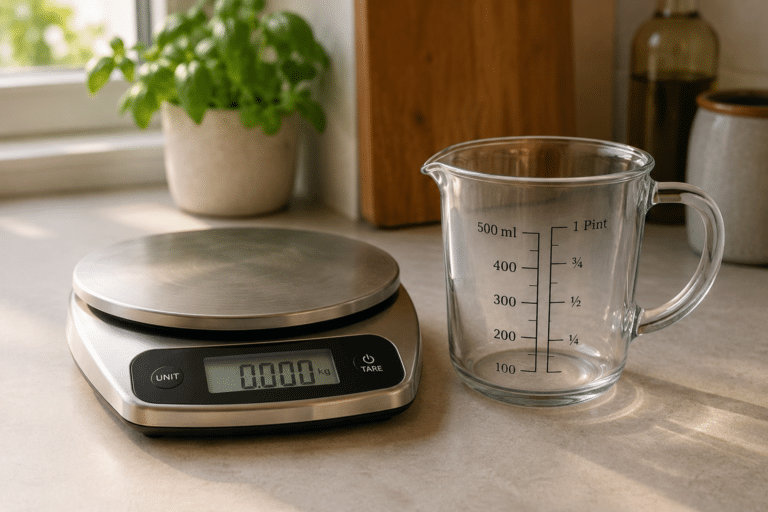
We learned about the metric system early on in school. We did the worksheets, memorized the conversions, passed the tests and then as most US students do, promptly forgot about it. Moving to Spain means it’s time to reach back into the recesses of our brains and get comfortable with it again.
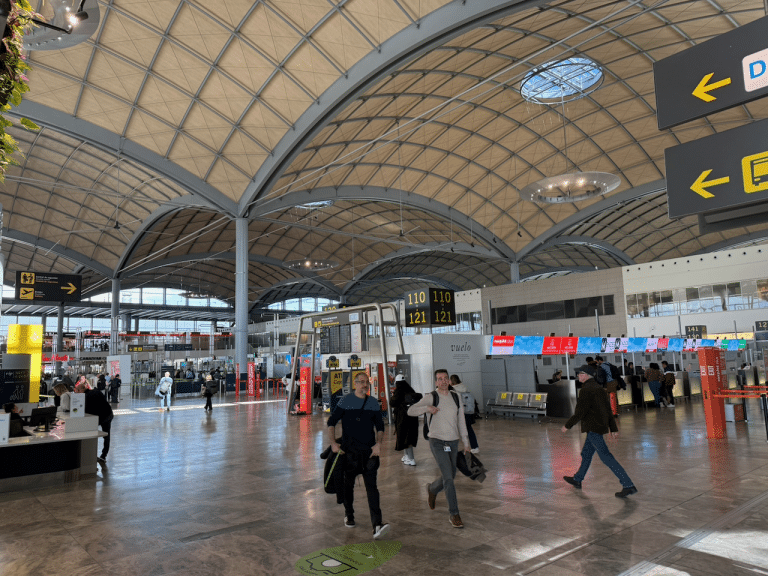
As we plan our move to Jávea, we need to figure out where the best airport is for us to travel in to and out of whenever we go on trips. Luckily, there are two each about 75 minutes away. One is Alicante Airport (ALC) and the other is Valencia Airport (VLC). We want to travel through both of them to decide which might be best for us. During this last house hunting trip, we flew in and out of Alicante.
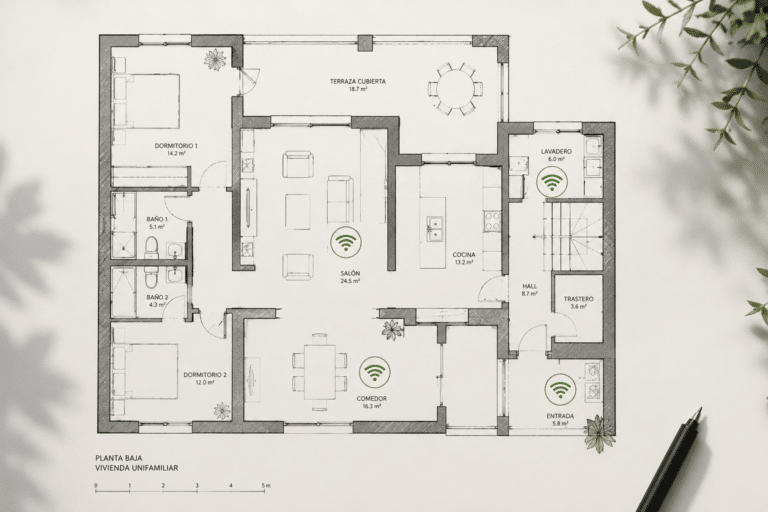
In most US homes interior walls are drywall with wooden studs. WiFi signals pass through these materials fairly easily. Spanish homes are built very differently. Walls are usually concrete block, brick, or reinforced masonry and floors between levels are often solid concrete.