Our Move To Spain
More Things To Know

Our Move To Spain
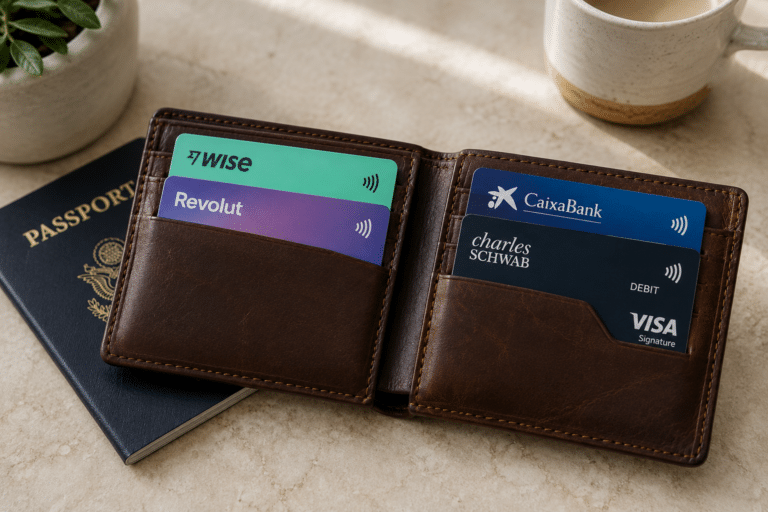
Bank deposit insurance and card liability rules discussed here aren't Spain-specific, they're harmonized across the entire EU by directive. That means the figures below apply the same way whether the account is in Spain, France, Germany or anywhere else in the EU.
Investor compensation is the exception. The EU only sets a €20,000 floor there and each country decides whether to go higher. Spain chose to go well above that floor, which matters if you ever end up comparing a Spanish brokerage to one elsewhere in Europe.
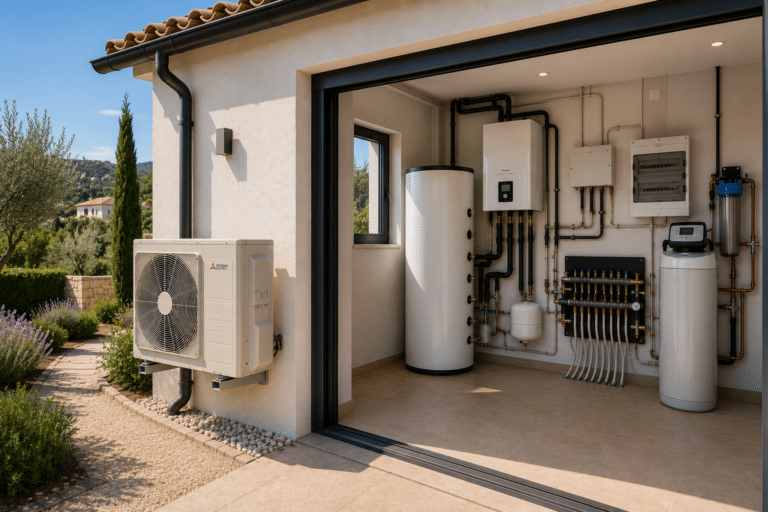
Heating, cooling and hot water all work differently in a Spanish home than they do in the US. It's worth understanding how, before you're standing in a property trying to figure out what you're actually looking at.
There's usually no central furnace and ductwork. Air conditioning often does double duty as the heating system. Hot water frequently comes from a small unit that heats on demand rather than a tank quietly keeping 50 gallons warm in the garage. None of it is worse, it's just different. Each one affects how you'll budget for and evaluate a property.
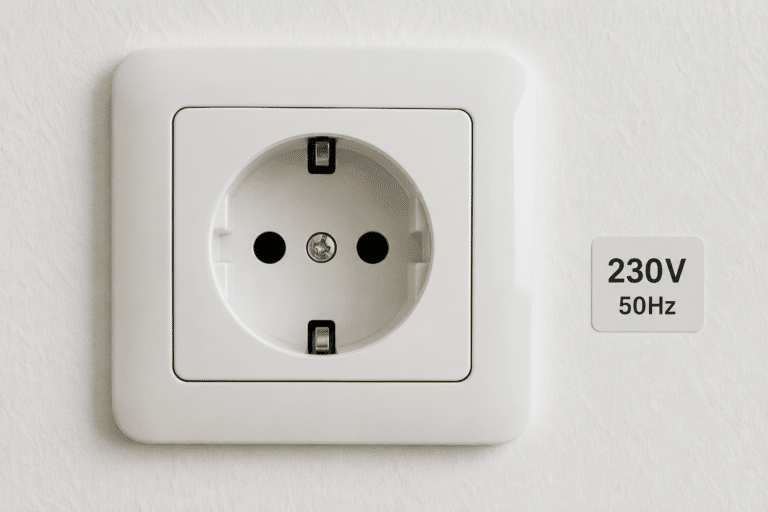
If you've traveled to Europe before, you've probably dealt with a plug adapter and not thought much more about it. Moving to Spain permanently is a different equation. This isn't about getting your phone charger through a two-week trip—it's about deciding what from your kitchen, bathroom and closet is actually worth moving and what you're better off buying once you arrive in Spain.
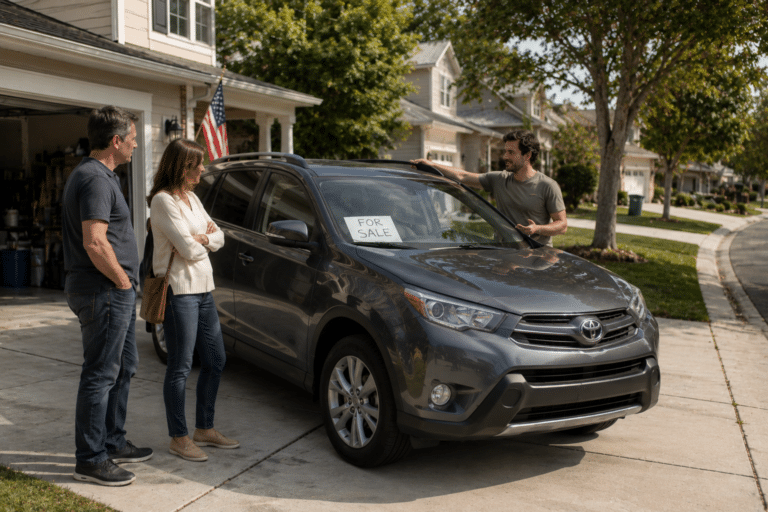
.For a very short, fleeting moment this was one of the first questions we asked ourselves: could we just ship our car? The answer, once we started digging into it, was a hard "NO". Here's why.The answer, once we dug into it, was a clear no. Here's why.
The Cost Stack Adds Up Fast
Shipping is only the first cost line item and it's not even the biggest one. Getting a US car to a Spanish port runs somewhere in the $2,000 to $2,500+ range depending on which US port you're leaving from and whether it lands in Valencia or Barcelona.

Negotiating home prices in Spain when you're ready to purchase a home isn't easy. One of the first things Americans notice when they're ready to make an offer on a property in Spain, is that the familiar comparison pricing information isn't there.
No Zillow. No Redfin. No Zestimate telling you whether the asking price is reasonable or wildly optimistic. No public database of what the house next door sold for last spring. If you've spent any time shopping for real estate in the US, the opacity can feel disorienting at first.
We just did our quarterly refresh of the numbers on our Cost of Living in Spain page. No surprises that the results haven’t changed: the cost of living in Spain vs USA is significantly cheaper across nearly every category we track and the gap is still wide. Using our home base of Portland, Oregon compared to Valencia, the average daily cost of…
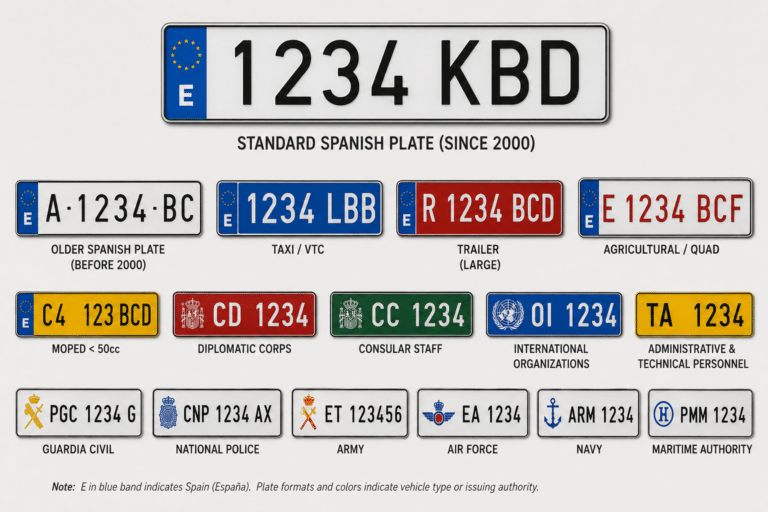
After a while in Spain, you start noticing license plates differently than you ever did back home. Spanish and European plates carry a surprising amount of information once you know what you're looking at — and once you start seeing it, you can't "unsee" it. Here's a quick guide to what's actually on the road around you.
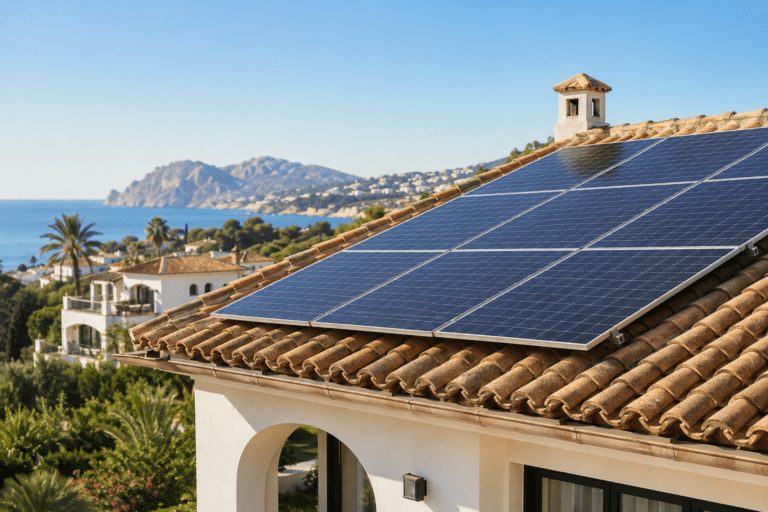
Solar power for a home in Spain is one of the first topics that comes up when you start seriously evaluating properties and for good reason. The sun hours here are among the highest in Europe, electricity prices have climbed steadily, and a well-sized system can cover the majority of a typical household's needs year-round.
What hasn't existed until now is one place that actually walks through the practical questions: how many panels you need, what it costs, what it costs to maintain, how long it lasts and what to look for whether you're buying a home that already has solar or adding it after the fact.

If you've been following along, you know that finding a home in Spain is not quite like buying a house back in the US. The agents are charming, the properties are beautiful and the questions you actually need to ask rarely come up on their own.
As we've been going through this process ourselves, one thing we kept running into was the gap between "interesting property" and "properties to make the list for final consideration." To help close that gap — for ourselves
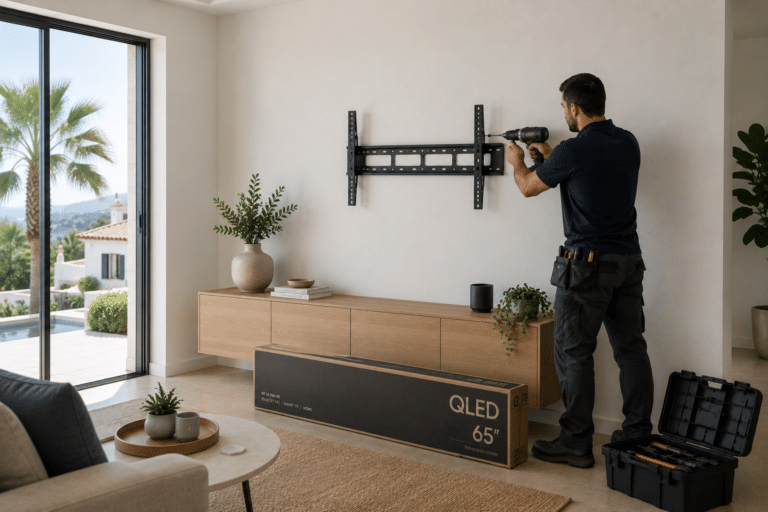
One of the first things you'll want to do after moving into a home in Spain is make it feel like yours. You start hanging things on walls. Some art. Put up a mirror. Mount a shelf.
Simple enough — you've done it a hundred times in the US. You grab your drill, pick a spot on the wall, press the bit in and... nothing. The drill whines, the bit spins and the wall laughs at you.
Welcome to the land of concrete walls.

Everyone talks about what it takes to move to Spain. The visa process, finding a home, setting up a bank account, learning where to buy groceries. That's where the excitement is and honestly, that's where most of our energy goes too. But hardly anyone talks about what it takes leaving the US. What it takes to wrap up your life here. And the more we've worked through it ourselves, the more we've realized how easy it is to underestimate.
One thing we'd say to anyone in the early stages of planning: you can never start this too early.

If you've been spending time in expat groups or reading about life in Spain, you've almost certainly run into the word "gestor" — usually in the form of someone saying "just get a gestor" without explaining what that actually means or what one costs.
We kept running into the same gap as we researched our move. The concept came up everywhere — NIE applications, car registration, annual tax filings, TIE renewals — but nobody seemed to explain the full picture in one place. So we built the page to help others who were in the same situation.