Property Evaluation

Evaluating homes in Spain — construction quality, damp, roofs, orientation, utilities, solar, pools and the things specific to Spanish building standards that matter when buying.

Home Automation In Spain: What To Check Before You Buy
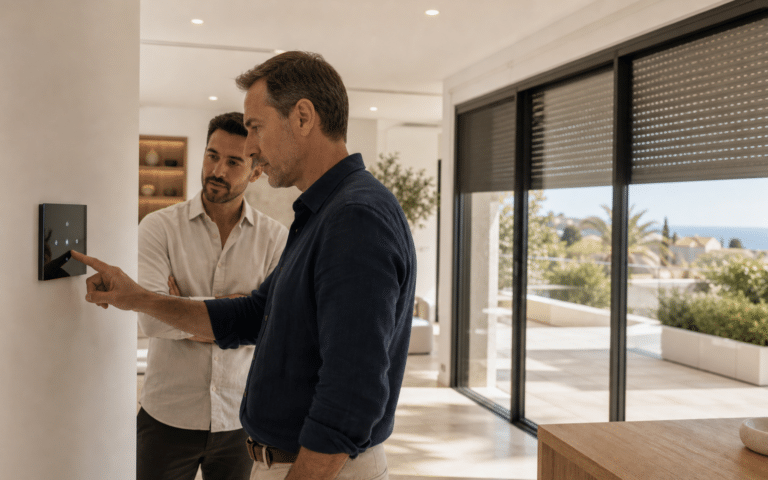
Domotica, home automation in Spanish, has gone from a luxury feature to something you'll see in most new-build properties across the Costa Blanca. If you're property shopping, it's worth understanding what's typically included, what's worth adding yourself, and what matters when comparing one automated home to another. This isn't the same conversation as security cameras and data privacy, which we cover in a separate post or persianas specifically, which get their own post. This one covers the broader picture: what's controllable, what's worth having, and what to check before you buy.
Read MoreHome Automation In Spain: What To Check Before You Buy

Renovating A Home In Spain? Permits Before Plans

When you're thinking about renovating a home in Spain, one of your first questions should be: what am I actually allowed to do without a permit? The answer isn't as simple as "big projects need permits, small ones don't." Spain runs on a three-tier system, the rules vary by municipality, and getting it wrong can mean fines, a stopped project, or a home you can't legally sell until you fix it.

Read MoreRenovating A Home In Spain? Permits Before Plans

Persianas In Spain: What Americans Should Know

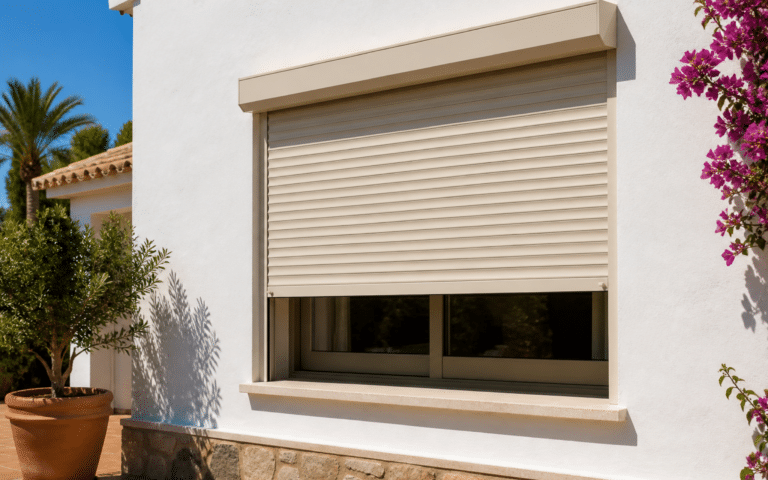
If you've traveled to Europe, you've probably noticed persianas on a lot of apartment and home windows. In the US, there's really nothing similar on residential homes. A persiana is a roller shutter that lives in a box above the window frame. It rolls down to fully cover the glass. Spaniards use them every day, and once you understand why, you'll wonder how you ever lived without them.

Read MorePersianas In Spain: What Americans Should Know

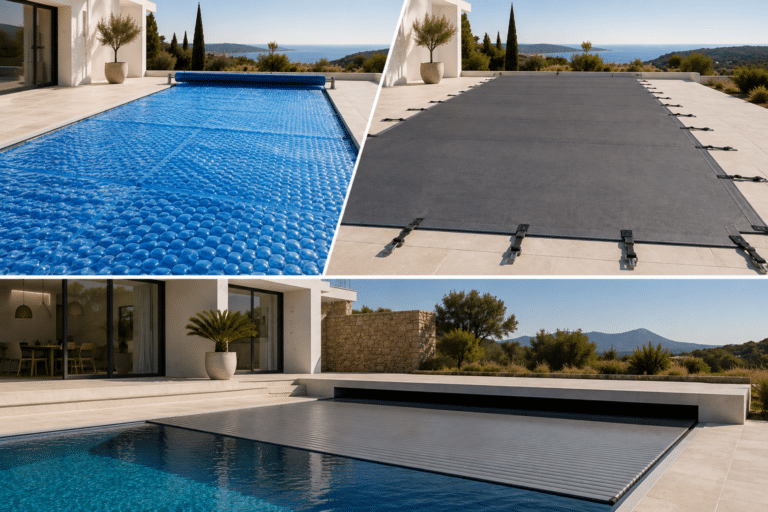
Pool Covers In Spain: The One Mistake That Actually Matters

There are roughly 38,000 pools in the Marina Alta area alone (that area includes Jávea, Dénia and the small nearby towns around them). It works out to close to one pool for every five residents. That's a lot of water sitting outside in the sun all summer. It's also a lot of water quietly evaporating every day.

A pool cover is one of the cheapest, most overlooked upgrades you can make. Getting the wrong type of pool cover is a common mistake and one that costs owners far more than the cover itself.

Read MorePool Covers In Spain: The One Mistake That Actually Matters

Hard Water In The Costa Blanca: The Hidden Cost

If you've never given a second thought to the water coming out of your tap, the Costa Blanca will change that. Hard water in the Costa Blanca region is a given since a large part of it sits on limestone bedrock. As water travels through it, it picks up dissolved calcium and magnesium along the way. The result is what's called hard water. It's one of those small daily-life differences that catches a lot of newcomers off guard.

You'll find more about the basics of what hard water is and how it shows up on your utility bill on our Utilities page. Here we talk about what it means in day to day life and what to check before you buy a home.

Read MoreHard Water In The Costa Blanca: The Hidden Cost

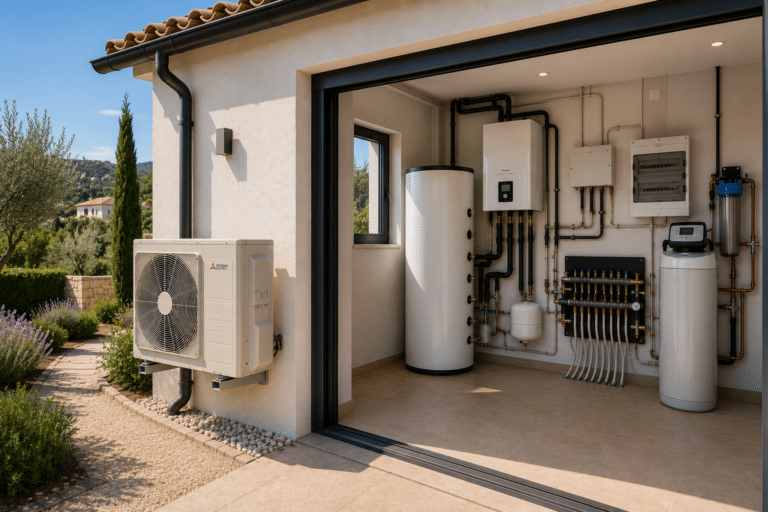
Heating and Cooling Systems in Spain: What’s Different From the US

Heating, cooling and hot water all work differently in a Spanish home than they do in the US. It's worth understanding how, before you're standing in a property trying to figure out what you're actually looking at.

There's usually no central furnace and ductwork. Air conditioning often does double duty as the heating system. Hot water frequently comes from a small unit that heats on demand rather than a tank quietly keeping 50 gallons warm in the garage. None of it is worse, it's just different. Each one affects how you'll budget for and evaluate a property.

Read MoreHeating and Cooling Systems in Spain: What’s Different From the US

Solar Power For A Home In Spain

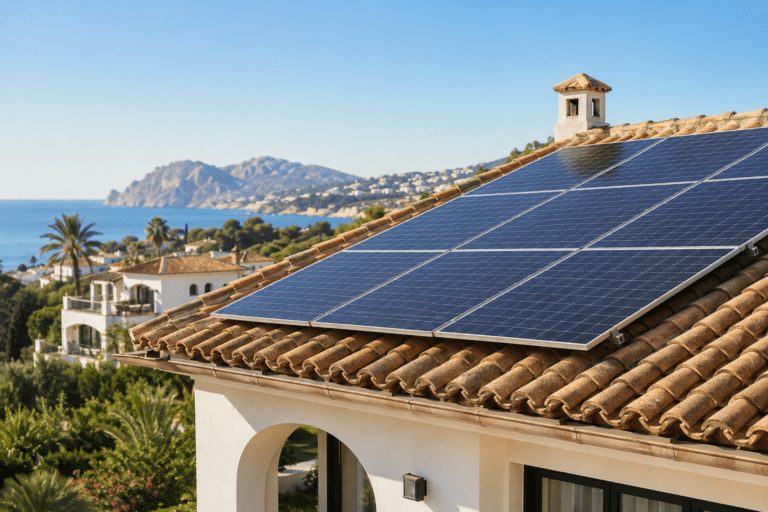
Solar power for a home in Spain is one of the first topics that comes up when you start seriously evaluating properties and for good reason. The sun hours here are among the highest in Europe, electricity prices have climbed steadily, and a well-sized system can cover the majority of a typical household's needs year-round.

What hasn't existed until now is one place that actually walks through the practical questions: how many panels you need, what it costs, what it costs to maintain, how long it lasts and what to look for whether you're buying a home that already has solar or adding it after the fact.

Read MoreSolar Power For A Home In Spain

What Pests Are Out There?

We now have two house hunting trips to Jávea under our belt— one last August and one in February. It was a great way to see everything in two different seasons.

One of the things we started thinking about when we got home was: what about pests? Is it like Florida where there are mosquitoes and snakes around all the time?

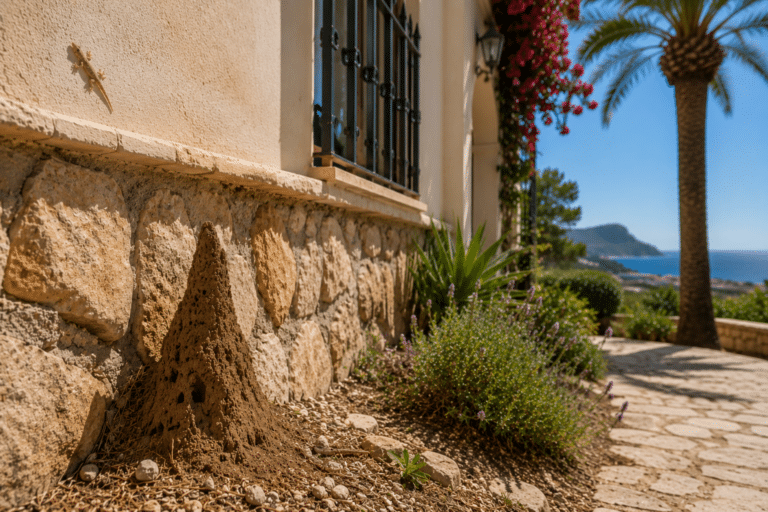
The reality, as it turns out, is there are some of the typical ones that one would expect, along with some that are specific to the Mediterranean climate. Yes, there are snakes. Yes, there are scorpions. And yes, a unique creature — the pine processionary caterpillar — that every pet owner in this part of Spain genuinely needs to know about before their first January here.

Read MoreWhat Pests Are Out There?