
We learned about the metric system early on in school. We did the worksheets, memorized the conversions, passed the tests and then as most US students do, promptly forgot about it. Moving to Spain means it’s time to reach back into the recesses of our brains and get comfortable with it again.
Having traveled to Europe quite a bit over the years, some parts are easy. Road signs in kilometers are second nature and we adjusted to using the 24-hour clock instead of AM/PM on our watches, clocks, computers, phones and tablets a few years back. The things that take a little more adjustment are temperature, weight, length and area measurements that we’ll use in everyday life in Spain.
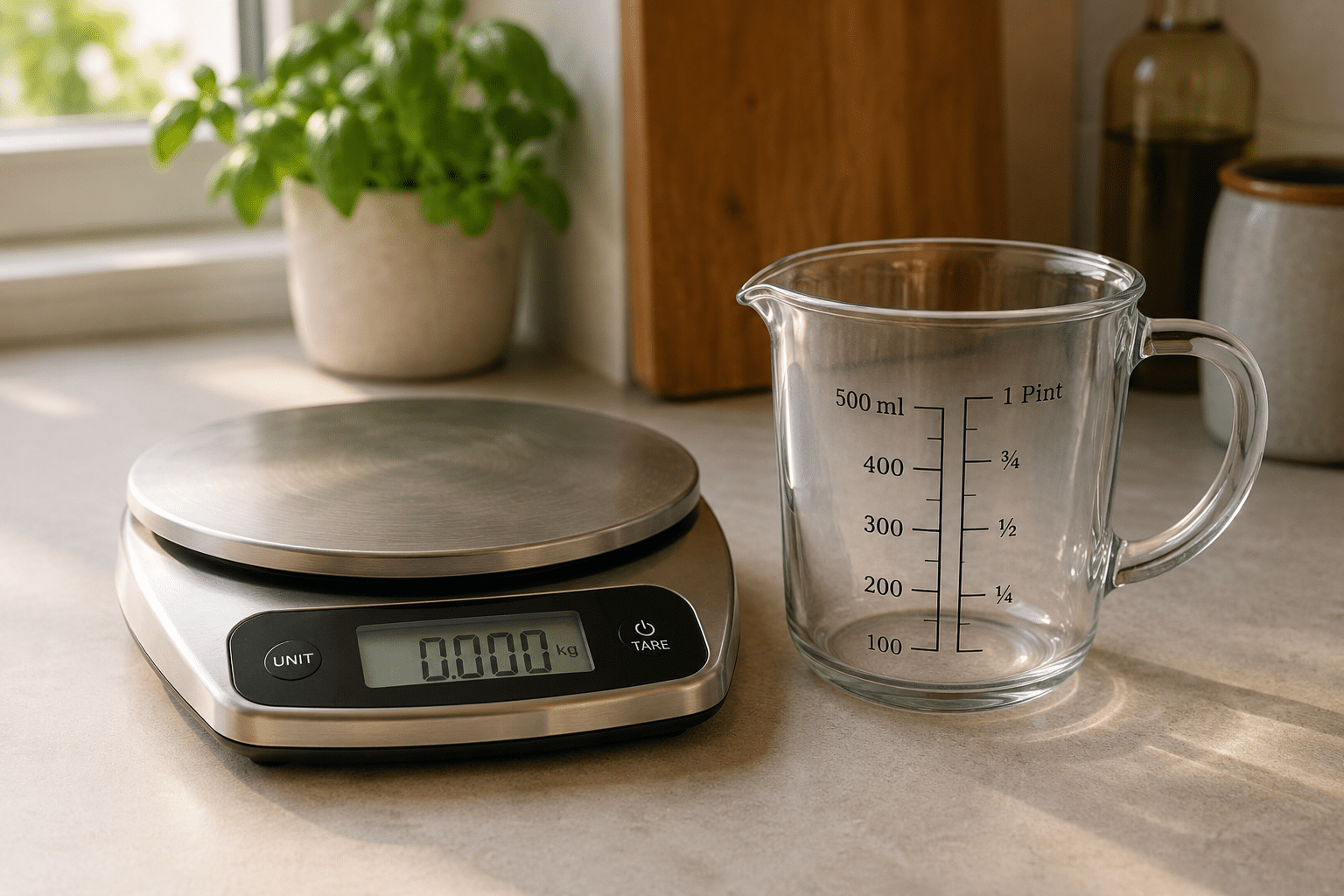
The easiest way to get used to the metric system is to build a few quick reference points in our heads. For example, 20°C is a pleasant day, while 30°C or higher usually means it’s time to find some shade. We’ll start thinking about things like our weight in kilograms instead of pounds, measuring rooms and furniture in meters and centimeters and converting recipes from cups and ounces into grams and kilograms. We think that even small things like buying a ruler or tape measure that uses metric will help make the transition easier.
The good news is that once we’re living with it every day, the adjustment should happen quickly. Grocery stores, weather forecasts, road distances, property listings, and construction measurements all use metric, so we’ll constantly be exposed to it. It’s a bit like learning the language: we can study it ahead of time, but real progress happens once we start using it daily.
Metric Cheat Sheet
| Category | Metric | Rough U.S. Equivalent |
|---|---|---|
| Distance | 1 kilometer | ~0.6 miles |
| Distance | 10 km | ~6 miles |
| Temperature | 20°C | ~68°F (comfortable) |
| Temperature | 25°C | ~77°F (warm) |
| Temperature | 30°C | ~86°F (hot) |
| Weight | 1 kilogram | ~2.2 pounds |
| Weight | 10 kg | ~22 pounds |
| Length | 1 meter | ~3.3 feet |
| Length | 1 centimeter | ~0.4 inches |
| Area | 1 m² | ~10.8 sq ft |
| Area | 100 m² | ~1,076 sq ft |