
After The Move
Emergency
Services In Spain
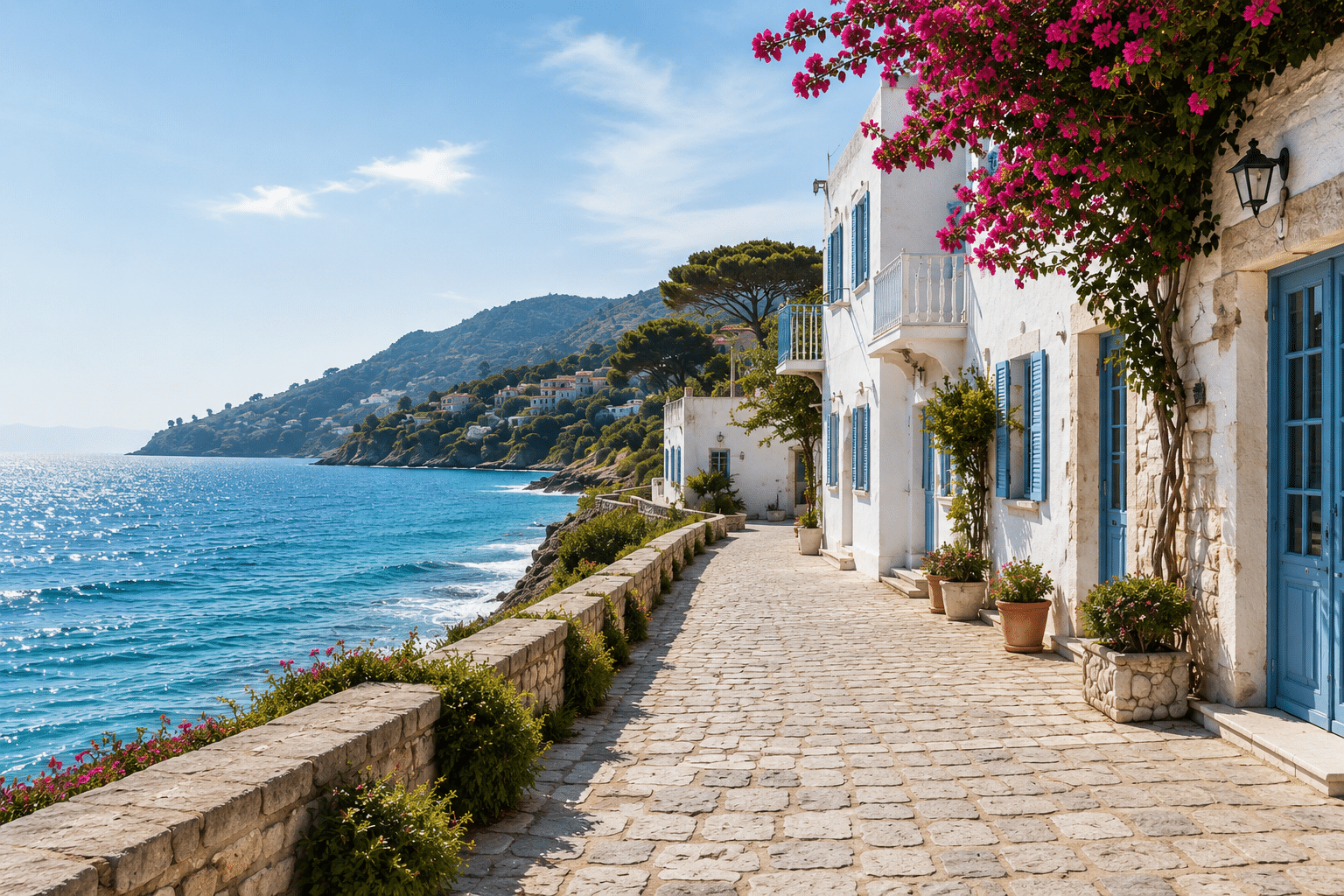
One thing that usually isn’t top of mind when moving to Spain, but should be, is understanding how emergency services in Spain work. It’s not complicated, but it’s something you want to figure out before you actually need it.
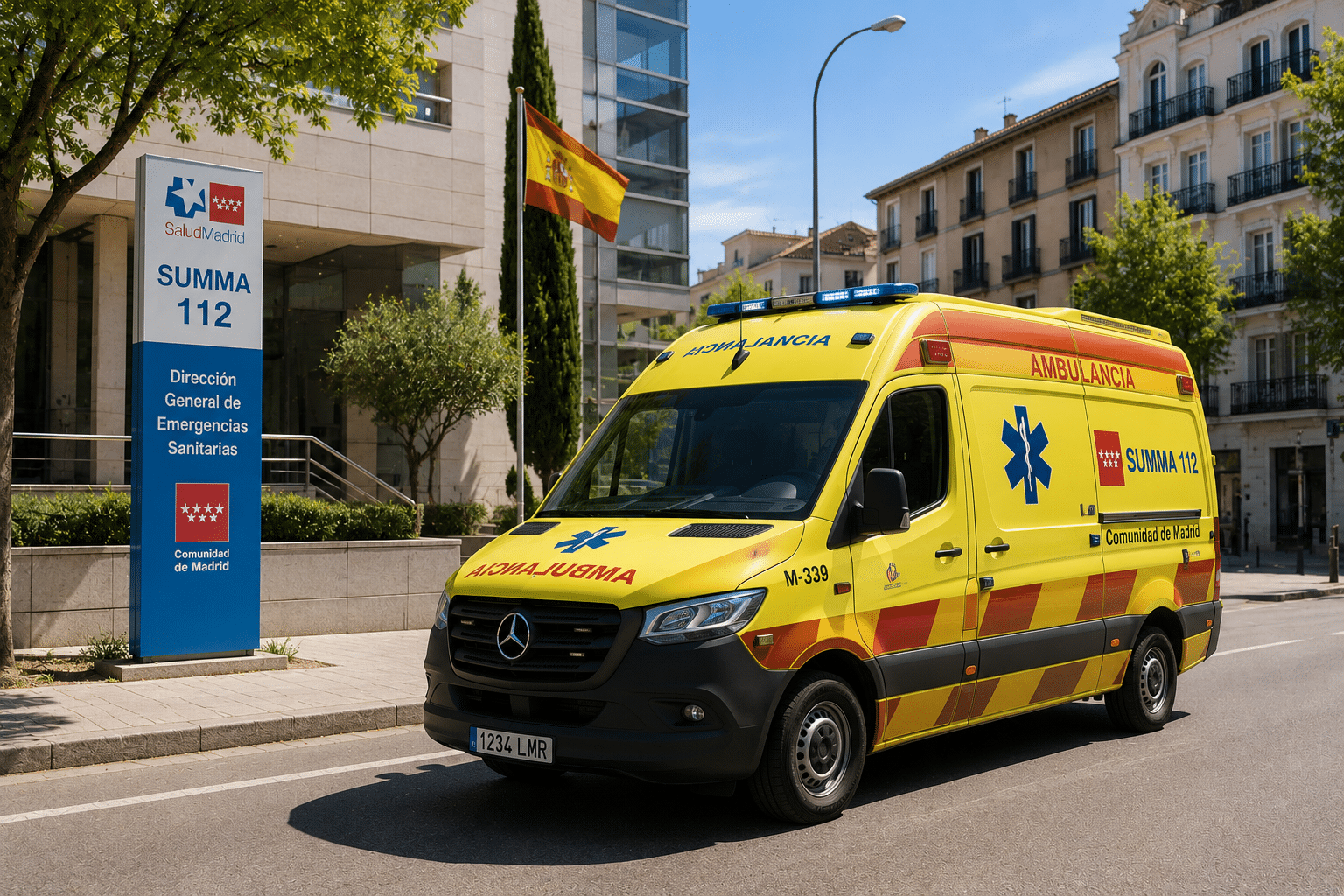
112 Is The Number For Emergency Services In Spain
The most important thing to know right away is the emergency number: 112. If you remember nothing else, remember that number.
This is Spain’s version of 911 and it works for police, ambulance and fire services. You can call it free from any phone even if you don’t have a SIM card. Operators will often speak English.
Other Important Emergency Numbers In Spain
While 112 is the main emergency number in Spain and should be the first number you call in any serious emergency, there are also a few other emergency numbers that are sometimes used. These numbers connect directly to specific services, but in most situations, it’s easiest to just call 112 and let the operator direct the call.
Some commonly used emergency numbers besides 112 in Spain include:
- 091 – National Police (Policía Nacional)
- 062 – Guardia Civil
- 080 / 085 – Fire department
- 061 – Medical emergency
Police In Spain
Spain has several different police forces. It can be confusing at first, but for most situations you don’t need to worry about which one to call. If you call 112, they will direct the appropriate police service to you. The main police forces you will hear about are the Policía Nacional, Guardia Civil, and Policía Local.
The Policía Nacional is the national police force and typically handles things like immigration, passports, national investigations and crime in larger cities.
The Guardia Civil is a national police force that operates mostly in smaller towns, rural areas, highways and coastal areas.
The Policía Local are the local municipal police who handle local traffic, parking, minor incidents and community issues within a town or city.
In everyday life, most expats will interact with Policía Local for things like traffic issues or local reports and Policía Nacional for immigration or documentation matters.
Fire Departments In Spain
Fire services in Spain are called bomberos.
Like police services, fire departments are organized at the local or regional level rather than nationally. They respond to fires, car accidents, rescues, floods and other emergencies. In most situations, you do not call the fire department directly. Instead you call 112 and the emergency operator will dispatch the fire service if needed. Knowing that firefighters handle a broader range of emergencies than in the US is useful context.
Hospitals And Emergency Rooms In Spain
Once you’re settled, take a few minutes to get familiar with the important things around you. Find out where the nearest public hospital is and the nearest private hospital, if you have private insurance. It’s also a good idea to locate the closest health clinic or urgent care center.
In Spain, you generally don’t need a referral for emergency care. If something is urgent, you simply go to the hospital emergency department or call 112. Emergency care is generally fast and accessible. You don’t need to think about things like in-network versus out-of-network as you do in the US.
If you call an ambulance, you’ll usually be taken to the nearest appropriate hospital rather than one you choose. The ambulance staff will determine which facility is most appropriate based on your condition and location. Response times are generally very good in cities and populated areas, though rural areas may see longer waits due to distance.
Urgent Care Clinics And Health Centers
In addition to hospitals, most areas have local health centers or urgent care clinics. These are often used for issues that are urgent but not life-threatening, such as minor injuries, infections, or illnesses that need attention the same day.
If you are using public healthcare, your local health center will usually be your first stop for non-emergency medical issues. If you have private insurance, you may instead use private clinics or urgent care centers. Knowing where both of these are located near your home and how long it will take to get there is very helpful.
Pharmacies And Farmacia de Guardia
One thing that’s very different from the US is how pharmacies work in Spain. Pharmacists play a much bigger role. They can give advice, recommend treatment for minor issues and help you decide whether you actually need to see a doctor. In many cases, they’re the first stop, not urgent care.
It’s also important to know about farmacia de guardia. These are pharmacies that are open at night, weekends and holidays. While all pharmacies are not open all night, there is always one open nearby after hours on a rotating schedule. You can usually find the nearest one posted on the door of any pharmacy or by searching online.
Setting Up a Doctor After You Move
It’s important to set up a doctor early, even if you don’t need one right away. Anything can happen at any time (usually when you least expect it), so having a doctor already in place makes things much easier. With private insurance you can usually choose your doctor right away. With public healthcare you’ll be assigned one through your local health center. Either way, it’s something that’s better done sooner rather than later.
Emergency Information And ICE Contacts
It’s also smart to make sure your emergency information is easy to find. Adding an ICE (In Case of Emergency) contact in your phone is a good start. You can also carry a small card in your wallet with your name, an emergency contact along with any important medical information like allergies or conditions.
Another good idea is to use the Medical ID feature on your phone or smartwatch. Both iPhone and Android phones allow you to enter medical information and emergency contacts accessible from the lock screen without needing a password. It’s a simple step that can be extremely helpful.
If you are living in Spain alone or don’t have close family nearby it’s even more important to make sure someone can be contacted in an emergency. Most expats use a trusted friend, neighbor or even someone back home as their emergency contact. It’s also good to leave a list of important information and emergency contacts in a visible place in your home, like a refrigerator or inside a kitchen cabinet. You can also include medications you take, allergies, insurance information and any medical conditions. Emergency responders in Spain are used to looking for this type of information and having it easily available can help in an emergency.
FAQs
Do emergency operators in Spain speak English?
In many areas of Spain, especially tourist areas and larger cities, emergency operators who answer 112 calls can speak English. However, this is not guaranteed everywhere so it can be helpful to know a few basic Spanish words related to emergencies such as ambulancia, policía, hospital, or ayuda (help).
Is ambulance service free in Spain?
Ambulance service in Spain is usually covered if you are using the public healthcare system and the ambulance is considered medically necessary. If you have private insurance ambulance service is often covered under your policy. If an ambulance is used for a non-emergency situation without proper authorization, there may be a charge.
Can I go directly to the emergency room in Spain?
Yes. You can go directly to a hospital emergency department in Spain without a referral if you have an urgent medical issue. Emergency departments are open 24 hours and are part of both the public and private hospital systems.
What should I do if I lose my medication while traveling in Spain?
If you lose your medication your first stop should usually be a pharmacy. Pharmacists in Spain can often help with temporary solutions or guide you on how to get a replacement prescription. If the medication requires a prescription, you may need to visit a doctor or urgent care clinic to get a new one.
Are emergency rooms in Spain open 24/7/365?
Yes. Hospital emergency departments in Spain are open 24 hours a day, every day of the year. You can go directly to a hospital emergency room without an appointment if you have a serious or urgent medical issue.

Before Moving
Everything you need to sort before you leave — visas, NIEs, finances and the hundred other things on your pre-move list.

After The Move
What you need to get sorted once you arrive — utilities, healthcare, paperwork and all the practicalities of your new life in Spain.

Property Guide
Here’s what to know about buying property in Spain as an American — from your first search to signing at the notary.

Resources
Checklists, glossaries and vetted websites to help you plan, prepare and hit the ground running in Spain.

Our Journey
Follow along as we document our move from Portland, Oregon to Jávea, Spain — the highs, the headaches and everything in between.
This page last updated: