
Our Journey To Spain
Costa Blanca
History
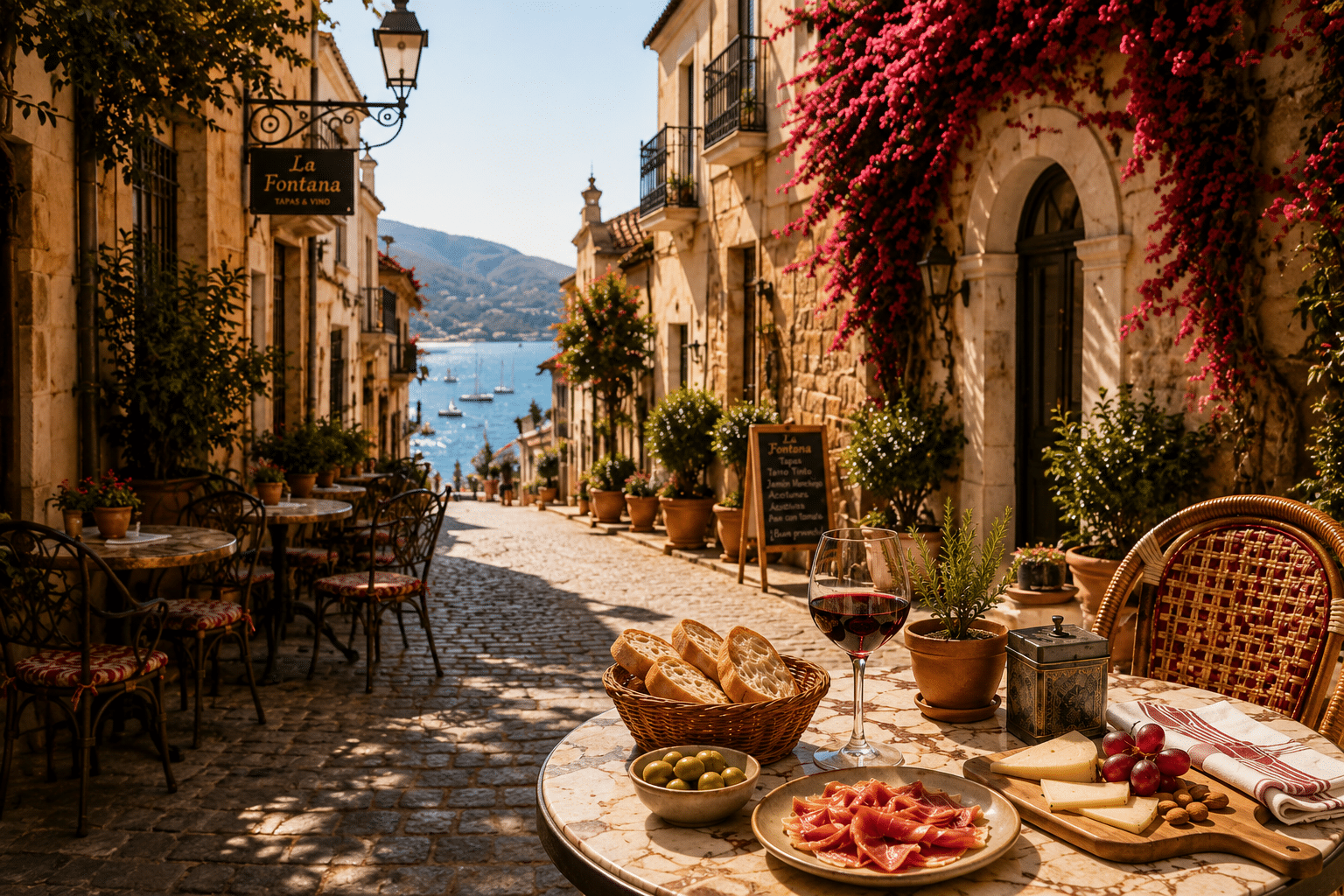
The Costa Blanca history stretches back thousands of years. For over three thousand years, nearly every Mediterranean civilization has passed through this area — from ancient Iberians and Romans to Moors and Christian settlers — each leaving something behind, from terraced hillsides to town names that still echo their origins. Its natural harbors, fertile valleys and sheltered coves made it a key area for trade and defense throughout history.
The Origin Of The Name
The name Costa Blanca — White Coast — is most commonly attributed to the mass of white almond blossoms that blanket the inland valleys each February, turning hillsides like those in the Vall de Pop pink and white before the rest of the season arrives. Some also point to the bright white facades of the coastal towns themselves. Either way, the name fits.
Why The North And South Costa Blanca Are So Different
The Northern and Southern Costa Blanca developed very differently from each other.
The south — Benidorm, Torrevieja, the stretches around Alicante — absorbed the mass tourism boom of the 1960s and 70s at scale, resulting in the high-rise resorts and dense development most people picture when they hear “Costa Blanca.”
The north largely missed that wave. Its geography — a more rugged coastline, the Montgó massif, smaller natural bays — made large-scale resort development harder, and towns like Jávea adopted strict zoning rules that kept it that way. The result is a stretch of coastline that still looks and feels like the Mediterranean rather than a resort strip.
For expats looking for a place to actually live rather than holiday, that distinction matters more than almost anything else. The northern stretch has retained a quality of life, a community feel and a physical character that the south traded away decades ago.
Before 200 BC
Long before the Romans, this region was home to Iberian tribes such as the Edetani and Contestani. Archaeological finds on the Montgó and surrounding plateaus show fortified villages dating back to the 5th century BCE. The local Iberians traded with Phoenician and Greek merchants, who established small coastal trading posts to exchange wine, olive oil and metals. The coastline’s sheltered coves — especially near modern Les Rotes and La Caleta — made it a natural stop along early Mediterranean routes.
5th to 13th Centuries
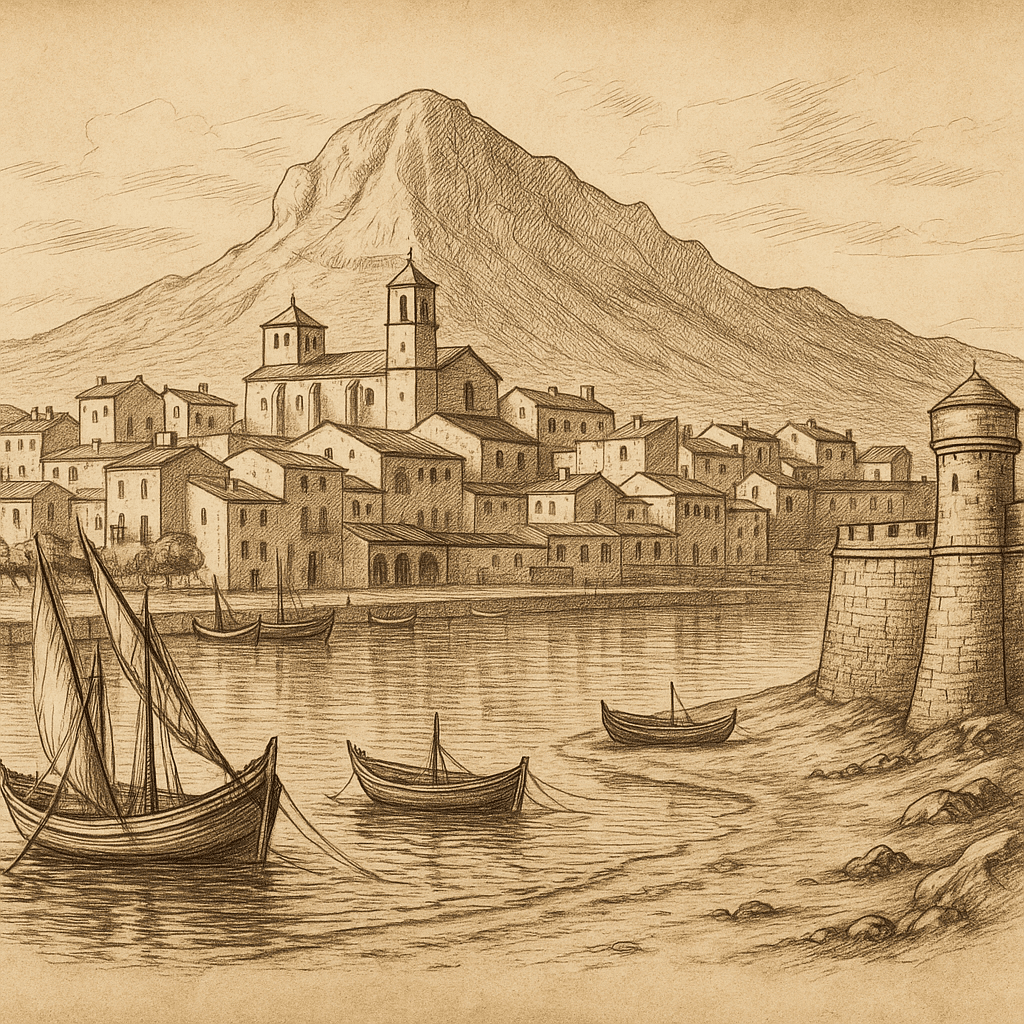
By the 2nd century BCE, the Romans had built a thriving port called Dianium — today’s Dénia — which became an important trading hub exporting olive oil, wine and the famous fish sauce garum. Nearby, the area around modern Jávea served as farmland and a small harbor that supplied the port city.
After the fall of Rome, the region came under Moorish rule and Dénia, known then as Daniyya, became the capital of a small but influential Taifa kingdom. The Moors introduced advanced irrigation, terraced farming and crops like citrus and almonds that still shape the landscape today, while Jávea remained a quiet agricultural and fishing village.
14th to 18th Centuries
For centuries the coast was vulnerable to Barbary pirate raids, so people built towns inland. Jávea’s historic center (Pueblo Histórico) developed behind walls, while Dénia’s castle served as a lookout and refuge. The 16th–17th centuries were turbulent — the expulsion of the Moriscos (Muslim converts) caused population loss and it wasn’t until the 18th century that agriculture and trade revived. That recovery came largely through raisin exports — Jávea and Dénia became major centers of the raisin trade, exporting dried muscatel grapes to Britain and beyond.
19th to Early 20th Centuries
When the phylloxera vine blight reached Spain around 1900, the raisin industry collapsed, pushing many locals to emigrate to Algeria, Cuba and Latin America. During the Spanish Civil War (1936–39), Dénia’s port was used for Republican supplies and later evacuations. Post-war, the economy turned toward fishing, citrus farming and ceramics. In the 1960s tourism boom, Dénia and Jávea began to transform — attracting Northern Europeans and Spaniards looking for coastal homes.
Dénia became the gateway to Ibiza and Mallorca, while Jávea evolved into a quieter residential town framed by the Montgó Natural Park, established in 1987 to protect the mountain and its biodiversity.
The Modern Era
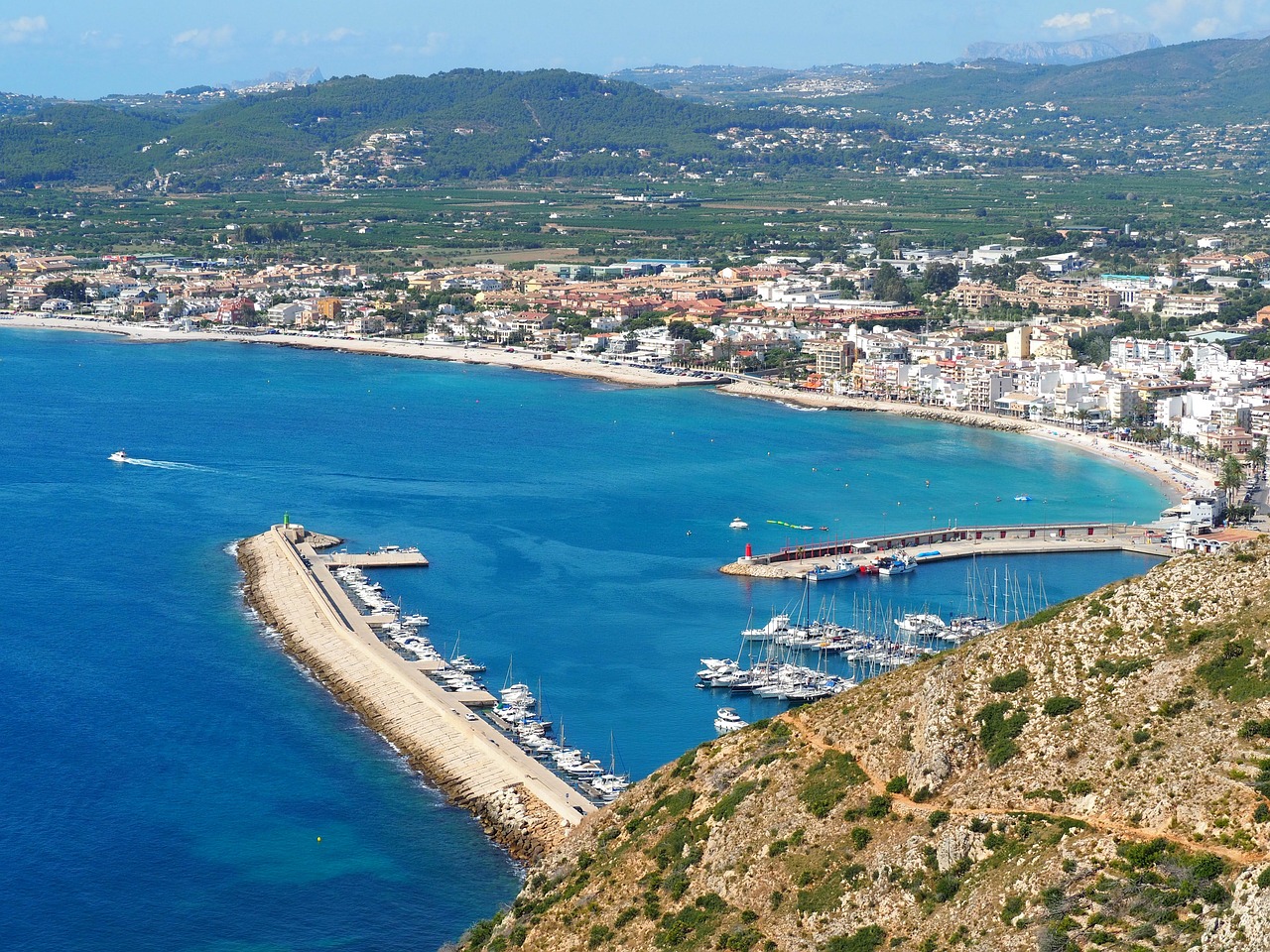
From the mid-20th century onward, the coastline saw dramatic change — tourism boomed, holiday resorts multiplied and infrastructure expanded. Towns once known as quiet fishing or farming communities became international destinations. At the same time the region grappled with balancing development against preserving landscape, culture and local identity.
The Northern Costa Blanca’s heritage is a tapestry of ancient trade, Moorish engineering, medieval defense and maritime culture. From the Roman port of Dianium to the fortified Gothic church of Jávea, the region’s continuity is striking — history layered visibly into its hillsides, castles and harbors.
The Costa Blanca History You Can Still See
From ancient Iberians and Romans to Moorish rule and modern tourism, the northern Costa Blanca carries its history visibly — in the castle above Dénia, the terraced hillsides running up toward Montgó and the raisin-drying arches still standing in villages like Jesús Pobre. It’s one of the things you notice quickly when you spend real time here. Here’s more about the Northern Costa Blanca today.

Before Moving
Everything you need to sort before you leave — visas, NIEs, finances and the hundred other things on your pre-move list.

After The Move
What you need to get sorted once you arrive — utilities, healthcare, paperwork and all the practicalities of your new life in Spain.

Property Guide
Here’s what to know about buying property in Spain as an American — from your first search to signing at the notary.

Resources
Checklists, glossaries and vetted websites to help you plan, prepare and hit the ground running in Spain.

Our Journey
Follow along as we document our move from Portland, Oregon to Jávea, Spain — the highs, the headaches and everything in between.
This page last updated: