Save The Galgo
While this site is mainly about moving to Spain, the situation surrounding galgos in Spain is one cause we’ve come to care deeply about. As we’ve spent more time learning about life in Spain, this is something we felt was important to highlight here.

What Is A Galgo?
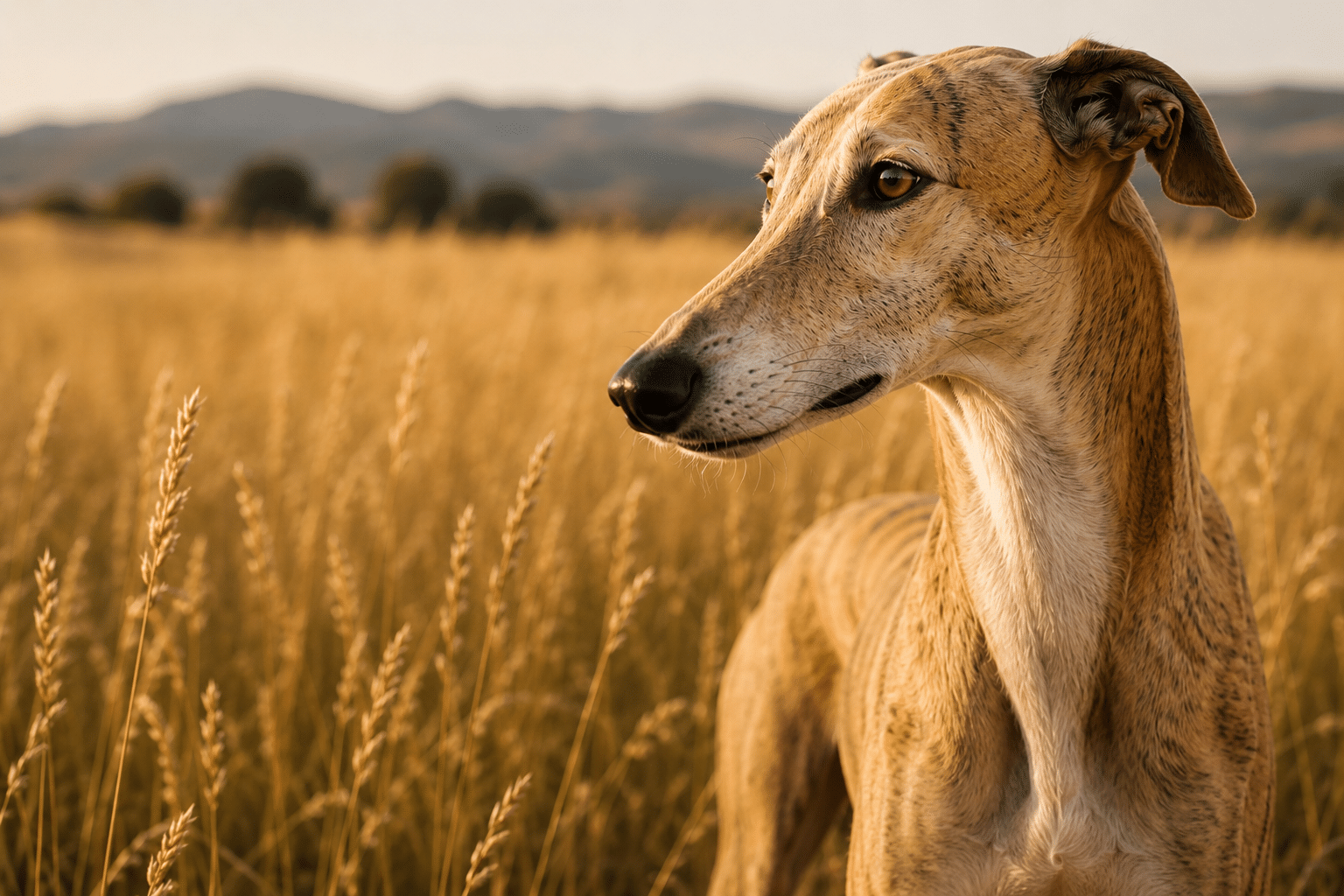
The galgo español or Spanish greyhound, is a sighthound native to Spain. Known for speed, endurance and a calm, reserved nature, galgos have been part of Spanish life for centuries. They were traditionally used for hunting, especially rabbit coursing and remain closely associated with rural areas of the country.
Despite their athletic ability, galgos are often surprisingly low-maintenance and well suited to home life. They tend to be quiet, gentle and adaptable, frequently described as “40 mph couch potatoes.” Once settled, they typically thrive in calm environments and form strong bonds with their owners.
Why Galgos Need Protection
The treatment of galgos after hunting season remains one of the most concerning animal welfare issues in Spain.
Each winter after the rabbit-coursing season ends, thousands of galgos are abandoned, injured, or even killed by their owners — hunters known as galgueros. Dogs that don’t run fast enough, get injured or simply age out of usefulness are often discarded. Some are left wandering the countryside, turned out onto busy highways, confused and starving; others meet far worse fates such as being tossed down abandoned wells or hung from trees.
While outright cruelty has declined thanks to public outrage and new laws, the scale of abandonment remains staggering. Animal welfare organizations estimate that 30,000–60,000 galgos are cast aside every year when the hunting season closes. The overall scale of abandonment has made this a focus for both Spanish and international rescue efforts.
Spain’s 2023 Animal Welfare Law introduced stronger protections for many animals, but explicitly excluded hunting dogs, including galgos. The decision triggered protests across Madrid and other cities, with activists and rescue organizations demanding reform. Political parties, including Unidas Podemos and PACMA continue to push for full inclusion.
At the EU level, enforcement of animal welfare laws rests with individual member states, so Brussels cannot directly outlaw Spain’s hunting traditions. However, EU Parliament members have repeatedly questioned whether Spain’s treatment of galgos violates the treaty recognizing animals as sentient beings, and advocacy groups such as Eurogroup for Animals have kept the issue visible internationally. The pressure is growing, but no binding EU action has followed yet.
Rescue Efforts In Spain
Alongside these challenges, there is a strong and growing network of rescue organizations, volunteers, and adopters working to improve outcomes for galgos. Rescue groups like Galgos del Sol, SOS Galgos, Galgo del Sur and Fundación Benjamín Mehnert work tirelessly to rescue, rehabilitate and rehome galgos in Spain, Europe and North America.
Across Spain these groups rescue abandoned dogs, provide veterinary care, and help them transition into adoptive homes. In addition to rescue work, these organizations play a key role in education, both within Spain and abroad, helping shift perceptions and promote more responsible treatment over time.
Galgos Del Sol
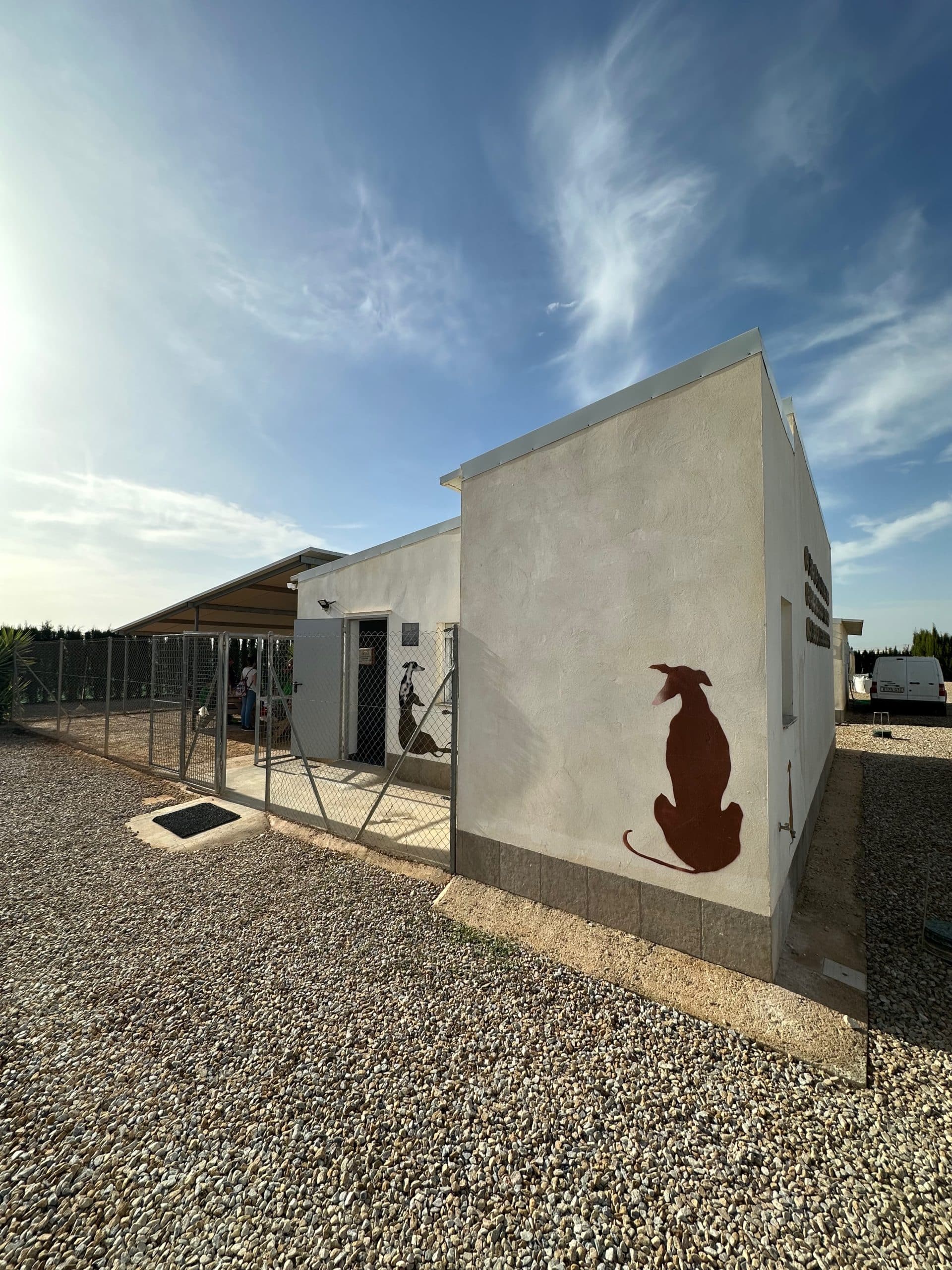
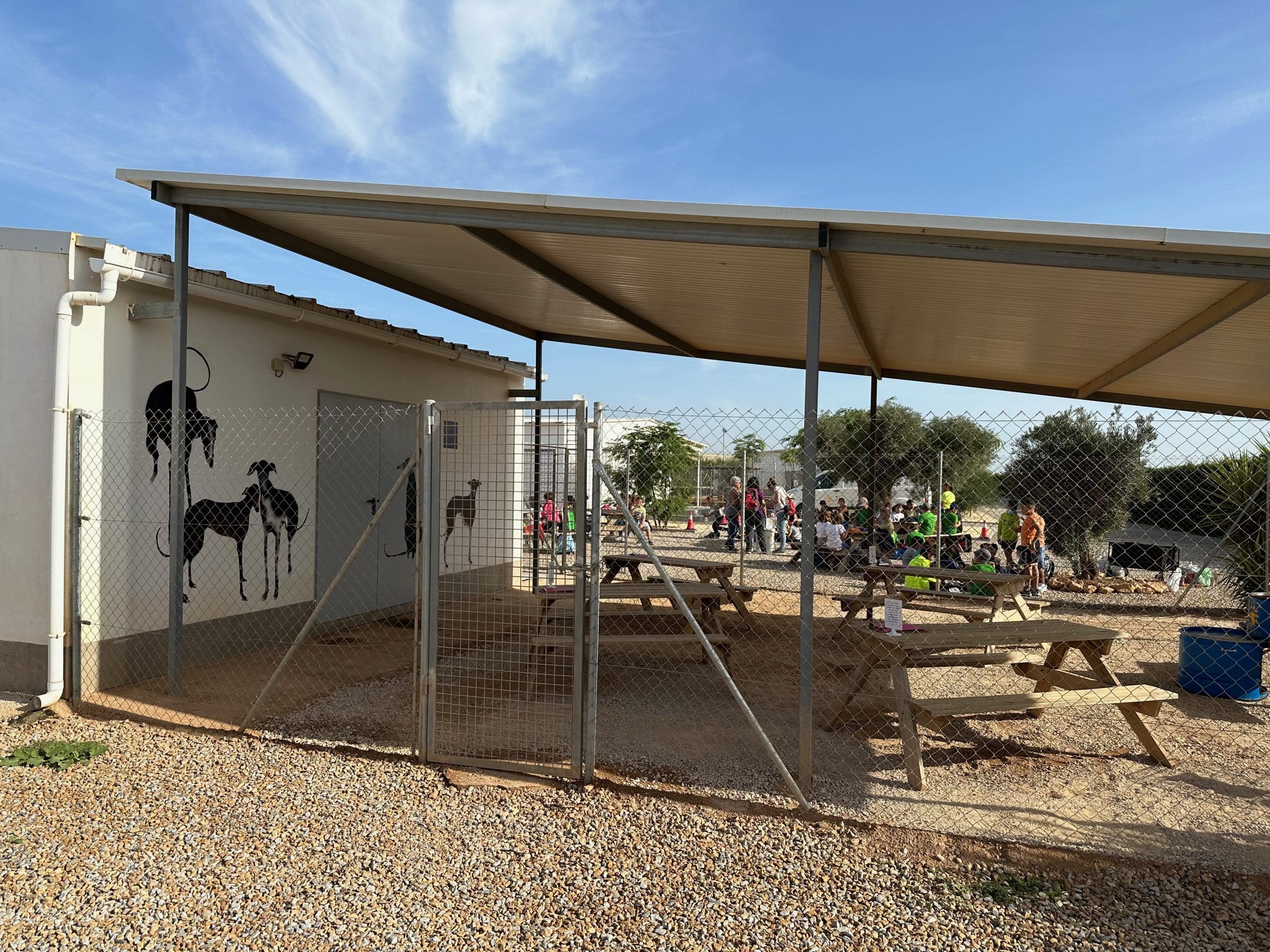
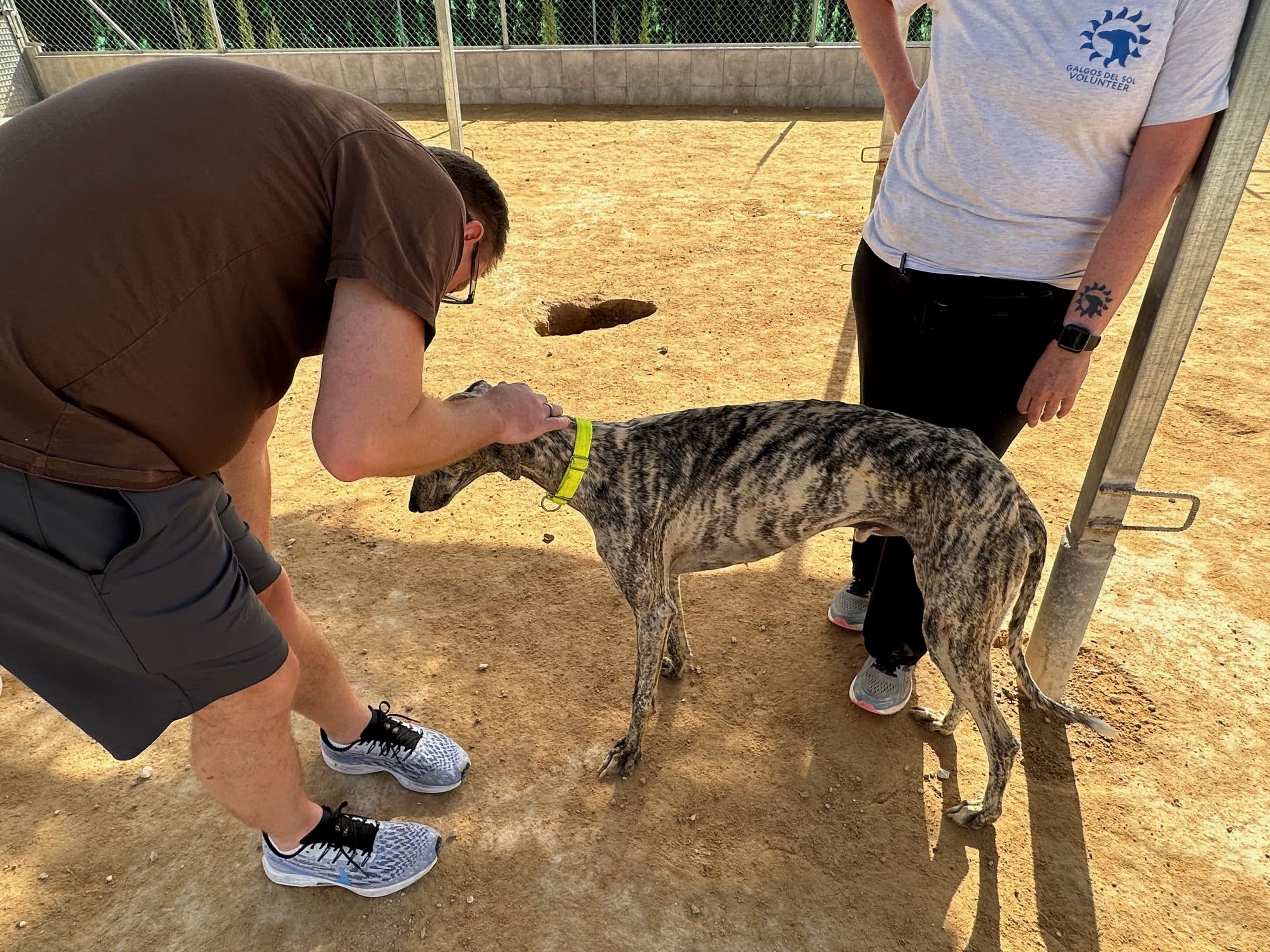
Founded in 2007 by British expat Tina Solera, Galgos del Sol has grown into one of Spain’s most recognized galgo and podenco rescue organizations. Based in Murcia, the organization focuses on rescuing, rehabilitating and rehoming dogs that have been abandoned, injured and neglected. The charity maintains branches in the UK and the US as well.
What began as a small personal effort has developed into a licensed rescue center capable of caring for hundreds of dogs at a time. The facility includes veterinary treatment areas, quarantine and special-needs units, enrichment spaces and volunteer accommodations. GDS also has educational programs for school children and offers adoption both in Spain and internationally ensuring each rescued dog has a real chance at a new life.
Intake levels can vary throughout the year with the period following hunting season often bringing a noticeable increase in abandoned dogs. Each rescue requires not only medical care but also time and patience to help the dogs adjust and prepare for adoption.
We were fortunate enough to visit Galgos del Sol a couple of years ago and came away extremely impressed by the level of care, organization and dedication behind the operation. It’s clear how much work goes into each rescue and how meaningful the outcomes are for the dogs involved.
How You Can Help
There are several ways to support galgo rescues whether you live in Spain or are following from abroad. Donations are one of the most direct and effective ways to help. Rescue organizations rely heavily on outside support to cover food, veterinary treatment, vaccinations, transport and facility operations.
Other forms of support include adoption, fostering, volunteering or just helping to raise awareness. Even smaller recurring donations can make a meaningful difference by allowing organizations to plan ahead and respond when intake increases.
We donate quarterly to Galgos del Sol and hope to spend time volunteering there once we’re relocated. If this is a cause that matters to you as well, it’s a meaningful place to contribute. If you live in Spain, the US or the UK, donations may also be tax deductible depending on how and where the contribution is made.
Learn More
If you spend time in Spain there’s a good chance you’ll come across galgos at some point—whether through local awareness, adoption networks or rescue organizations. Understanding their situation and the work being done to support them adds another layer to understanding life in Spain. You can explore more information, stories, and resources through the posts below.

Before Moving
Everything you need to sort before you leave — visas, NIEs, finances and the hundred other things on your pre-move list.

After The Move
What you need to get sorted once you arrive — utilities, healthcare, paperwork and all the practicalities of your new life in Spain.

Property Guide
Here’s what to know about buying property in Spain as an American — from your first search to signing at the notary.

Resources
Checklists, glossaries and vetted websites to help you plan, prepare and hit the ground running in Spain.

Our Journey
Follow along as we document our move from Portland, Oregon to Jávea, Spain — the highs, the headaches and everything in between.
This page last updated: