
Before Moving To Spain
Spanish NIE
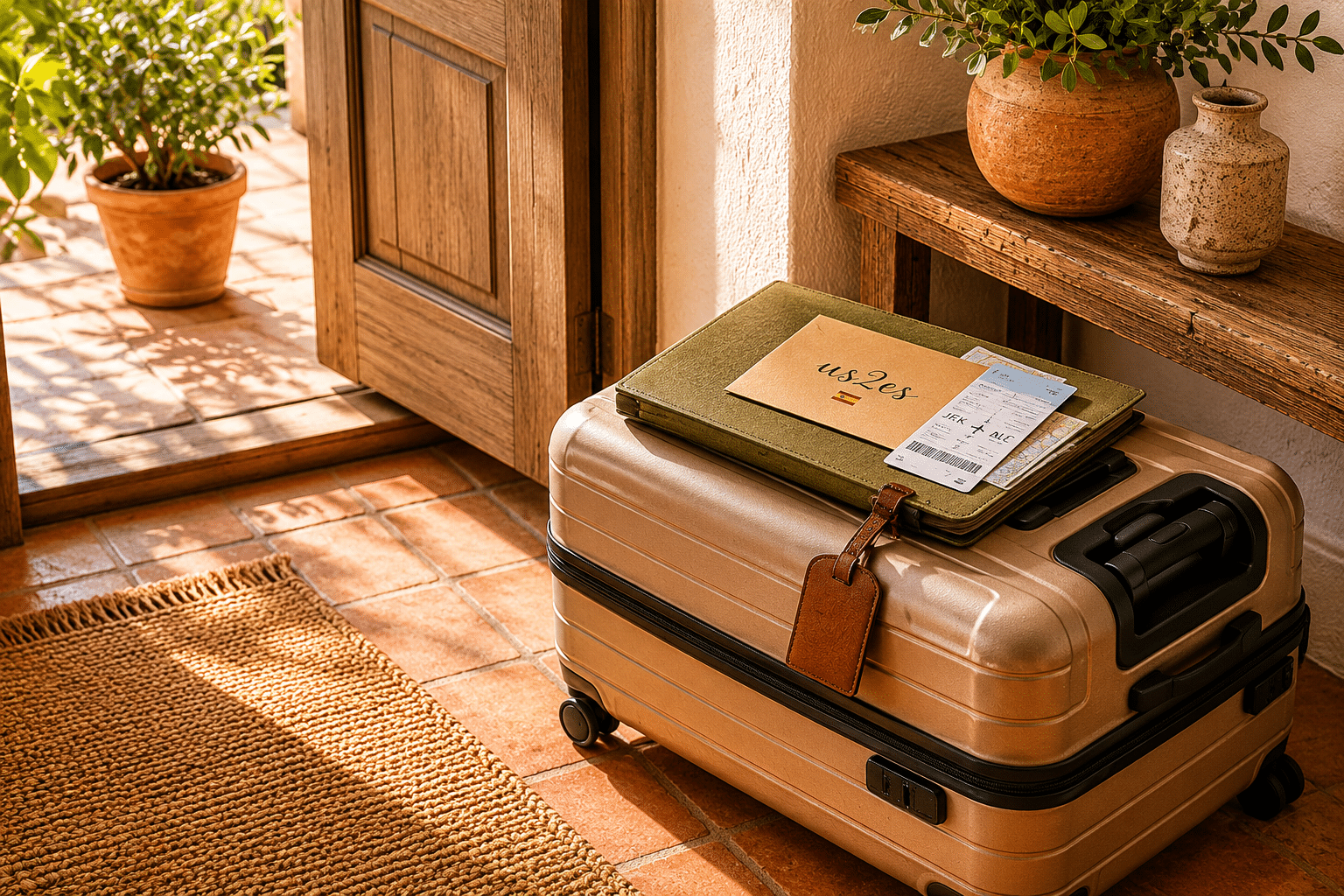
The NIE (Número de Identidad de Extranjero) is a unique identification number assigned to foreigners in Spain. It’s used across the entire Spanish system to identify you for legal, financial, tax and administrative purposes. The NIE is often discussed alongside visas and residency, but it’s a separate concept. It’s not a visa and doesn’t grant the right to live in Spain. It’s simply the number that connects you to everything you do in Spain.
When you apply you’ll receive a physical certificate showing your NIE — this is not the same as the TIE card. The certificate is simply confirmation of the number and is commonly required when completing transactions like property purchases before your TIE is issued.

NIE Vs TIE: Understanding The Difference
One of the most important things to understand is that the NIE is just a number and not a residence permit. It allows Spanish authorities to track your activity in the system but it does not grant residency or legal stay in Spain.
The NIE and TIE are closely related but not the same thing. The NIE is the identification number itself, while the TIE is the physical card that displays it. If you move to Spain long-term, your TIE will include your NIE on it. Think of your NIE like a US Social Security number — it’s assigned once and never expires.
When You Need An NIE
You’ll need an NIE for almost anything official in Spain — opening a bank account, buying or renting property, setting up utilities, paying taxes, purchasing a car or starting a job. Even if you’re not planning to live in Spain full-time, you may still need one if you’re involved in any financial or legal activity connected to the country.
How To Apply For Your Spanish NIE
1. Book An Appointment
Outside of Spain, apply at the Spanish consulate that covers your place of legal residence in the US. Appointments are usually booked online through the consulate’s website. Some consulates have long waitlists, so book early. In Spain, book through the official government portal, choosing your province and the procedure “Certificados / NIE.”
2. Fill Out The Required Form
You’ll need to complete form EX-15 (Solicitud de NIE) with one original and one copy.
3. Required Documentation
Bring the following:
You’ll verify your identity and submit your documents to the consular official.
NIE Processing Time and What to Expect
Processing times vary depending on where you apply. In Spain, you may receive your NIE relatively quickly — sometimes within a few days depending on the office. When applying through a consulate, it often takes a few weeks for the number to be issued and sent to you.
Many expats in Spain use a gestoría (a licensed administrative professional) or a Spanish lawyer to handle the NIE application on their behalf, particularly if they’re managing other paperwork at the same time. This is common and generally straightforward.
One practical option worth knowing: if you need an NIE before arriving in Spain — for example to complete a property purchase — you can authorize a gestoría or Spanish lawyer to apply on your behalf using a notarized power of attorney. This is a common approach and means the process can begin while you’re still in the US.
Additional Resources
Note: Not all sites offer native English translations
Spanish National Police – Extranjería – Official page with requirements, documents, and application details for requesting an NIE in Spain.
Ministry of the Interior (Ministerio del Interior) – General explanation of the NIE, who needs it, and how it fits into Spain’s immigration system.
FAQs
Can I have more than one NIE number?
No. The NIE is issued once and stays with you for life. Even if you leave Spain and return years later, you’ll use the same number.
What happens if I lose my NIE document?
If you lose the physical certificate showing your NIE, you don’t lose the number itself. You can request a duplicate or obtain it again through official channels if needed.
Do I need an NIE to open a Spanish bank account as a non-resident?
In many cases, yes — although some banks may allow you to open a non-resident account temporarily without one. Most will eventually require an NIE to fully activate or maintain the account.
Can I apply for an NIE before I have a visa approved?
Yes. The NIE is separate from the visa process, and in some cases (like buying property), people obtain an NIE before applying for a visa or moving to Spain.
Will my NIE ever expire?
No, the NIE number itself does not expire. However, the document or certificate associated with it may need to be reissued or updated depending on how it’s being used.

Before Moving
Everything you need to sort before you leave — visas, NIEs, finances and the hundred other things on your pre-move list.

After The Move
What you need to get sorted once you arrive — utilities, healthcare, paperwork and all the practicalities of your new life in Spain.

Property Guide
Here’s what to know about buying property in Spain as an American — from your first search to signing at the notary.

Resources
Checklists, glossaries and vetted websites to help you plan, prepare and hit the ground running in Spain.

Our Journey
Follow along as we document our move from Portland, Oregon to Jávea, Spain — the highs, the headaches and everything in between.
This page last updated: