
Property In Spain
Types Of
Property In Spain
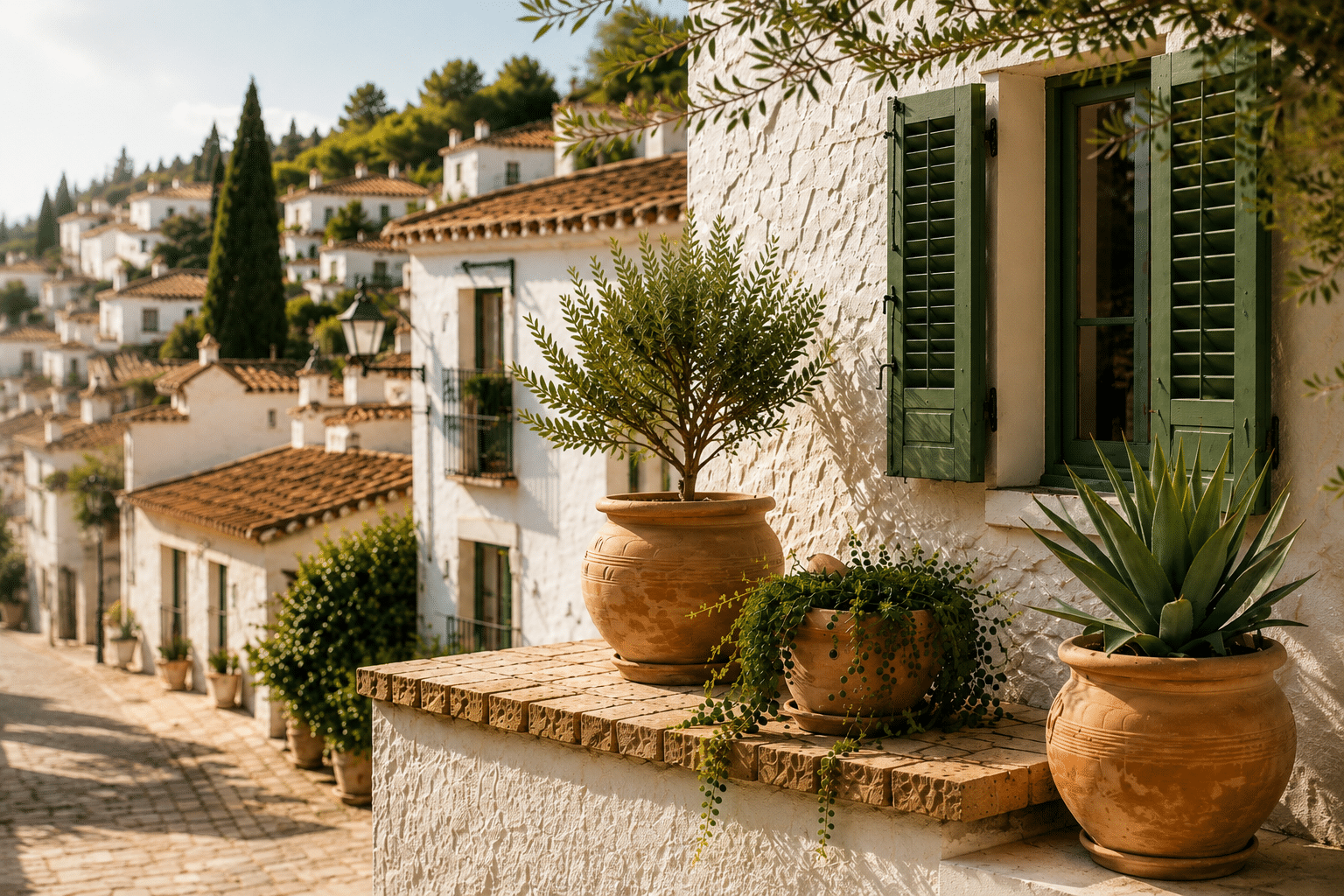
When buying property in Spain, one of the bigger decisions isn’t just where to buy. It’s figuring out which type of property you should buy: a new build with modern features and minimal near-term maintenance; an established resale home with mature landscaping and character; a property that needs work but has the right location and bones; or a custom build from scratch.
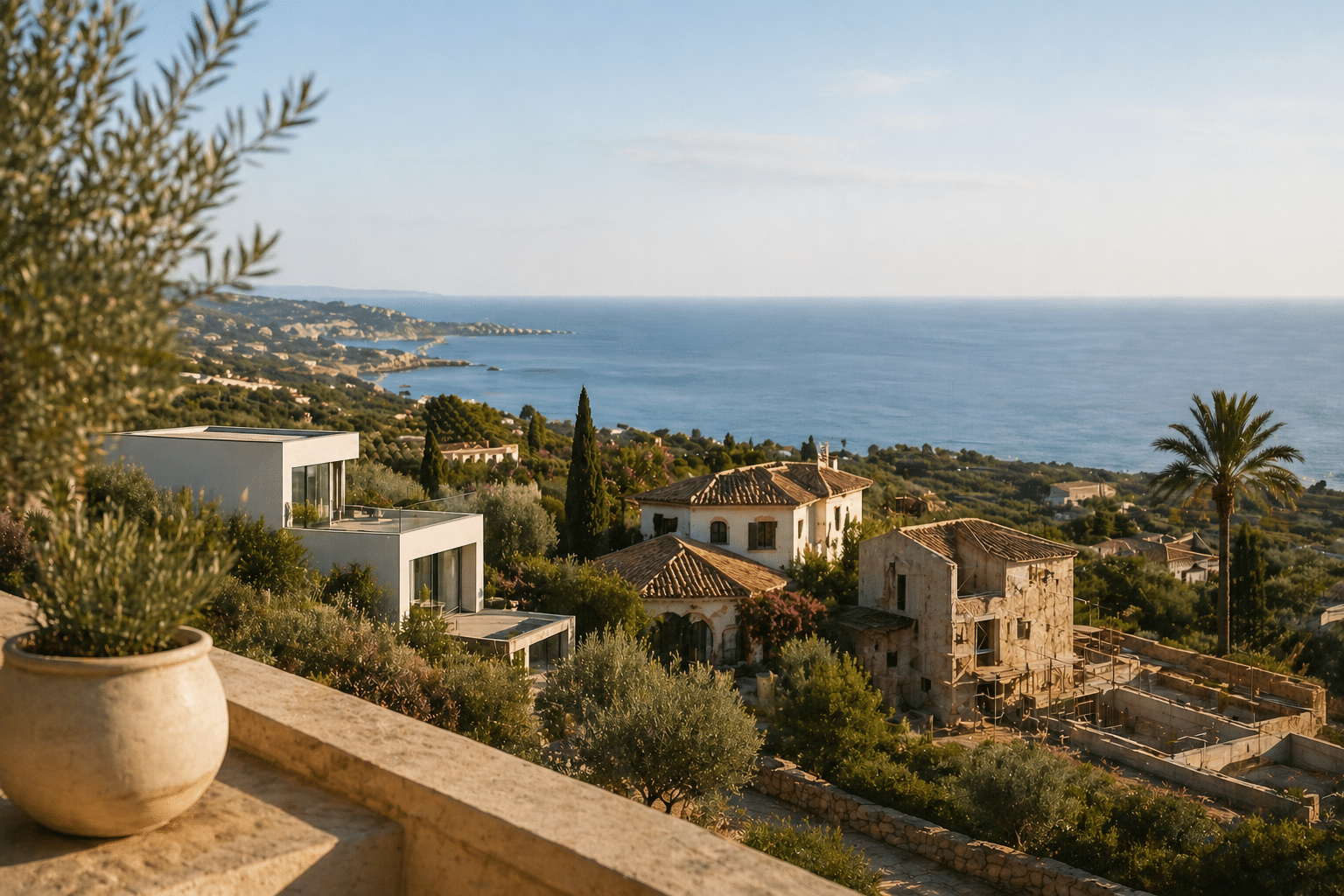
Which Property Path Is Right For You?
Each path has real advantages, real tradeoffs, and a very different timeline. In Spain, that timing matters more than many buyers expect. Permitting, approvals, contractor availability, and what expats quickly learn to call “Spanish Time” can significantly affect how quickly things actually move forward. Understanding those differences early can help focus your search considerably.
Apartments Vs Villas
One decision that often comes before new vs resale is whether you’re looking at an apartment or a standalone villa. Both are widely available across Spain’s coastal areas and each suits a different lifestyle.
Apartments typically come with lower purchase prices, less maintenance responsibility and built-in community infrastructure like pools and gardens. The tradeoff is community fees, shared decision-making through the homeowners community (comunidad de propietarios) and rules that can restrict everything from renovation work to tourist rentals. Older apartment buildings may also lack elevators or have aging shared systems that community budgets are slow to address.
Villas and detached homes offer more privacy, more outdoor space and fewer restrictions on how you use and modify the property. The maintenance responsibility is entirely yours, which means more control but also more cost and coordination. For buyers planning to spend extended time in Spain rather than occasional visits, a standalone villa often suits the lifestyle better.
Townhouses (adosados) sit between the two. They’re attached homes, typically over two or three floors, that share side walls with neighboring properties but have their own entrance, small outdoor space and often a private garage. They’re common across Spanish coastal developments and offer more space and privacy than an apartment without the full maintenance responsibility of a detached villa. Community fees usually apply but tend to be lower than in larger apartment complexes. For buyers who want more room than an apartment provides but aren’t ready to take on a full villa, an adosado is worth considering.
Buying A New Build
The appeal is straightforward. Modern homes are built to current energy standards with better insulation, higher-performance windows and updated electrical and plumbing systems. Layouts tend to work well for the way expats want to live — open floor plans, good outdoor connections, solar integration, smart home features. Major systems are new, early maintenance is low, and Spanish law mandates specific builder warranties under the Ley de Ordenación de la Edificación. For buyers relocating internationally, arriving to a turnkey home with little immediate work is a genuinely attractive starting point.
Timing depends on what you’re buying. A completed or near-complete home moves on a timeline similar to a resale purchase. Off-plan is a different story — construction schedules shift, delivery dates move, and completion depends on factors well outside your control.
A middle-ground worth considering is a project already well into development — plans approved, permits secured, construction underway or ready to begin. Buying in at that stage gives you most of the benefits of new construction while skipping one of the slowest and least predictable parts of the process.
The tradeoffs are real, particularly in newer developments versus established neighborhoods. Lot sizes tend to be smaller, landscaping is often minimal or unfinished, and upgrade packages can push the final cost considerably higher than the base price suggests. But for buyers who want lower near-term maintenance and a more predictable process, new construction is a solid path.
One important protection to know about if you’re considering a new build: Spanish law requires developers to hold buyer deposits in a separate guaranteed account or back them with a bank guarantee. This means your deposit is protected if the developer fails to complete the project or goes under during construction. Before signing anything related to new construction, confirm this guarantee is in place and have your lawyer review the deposit protection documentation. It’s a meaningful consumer protection that doesn’t exist in the same form in the US.
Buying An Existing Home (Resale)
Resale homes offer things newer developments often can’t: established neighborhoods, mature landscaping, larger plots and more architectural character. In coastal areas like the Costa Blanca, they may also offer locations that are genuinely hard to replicate today: proximity to town, elevated views, generous terraces or lot sizes that simply don’t exist in newer developments.
An existing home is usually the fastest path to ownership. Once due diligence is done and financing is in place, the process can move quickly. For buyers who want to get settled and start enjoying Spain sooner rather than later, resale is often the most practical choice.
The main consideration is condition. Older homes can hide deferred maintenance, outdated systems, moisture issues, inefficient windows, or floor plans that don’t work well for modern living. Some are in excellent shape. Others look better in photos than they do on a thorough walk-through. A proper independent evaluation matters.
Buying To Renovate
Renovation can hit a sweet spot that neither a new build nor a finished resale quite reaches. A well-located property with good bones gives you something to work with — and when the goal is a home shaped around how you actually plan to live, starting with the right raw material often beats inheriting someone else’s finished decisions. That might mean redesigning a floor plan, modernizing kitchens and bathrooms, improving insulation and windows, upgrading outdoor spaces, adding solar panels or simply bringing an older home up to current standards.
The main variable is time. Even modest renovations take longer than most buyers expect. Contractor scheduling, permits, material lead times, and coordination all compound. Larger projects can stretch well beyond initial estimates, particularly when older homes reveal surprises once work begins.
Then there’s the “Spanish Time” factor. Projects move at a different pace here than most buyers from the US or UK are used to. August closures, local holidays, contractor calendars, and municipal office schedules all play a role. For buyers who can be patient, renovation can create real value and a more personalized result, but the timeline is a genuine part of what the process requires.
Building From Scratch
For buyers who know exactly what they want, a custom build lets you start fresh without inheriting anyone else’s decisions. It’s also the longest road by far. In some parts of Spain, slope restrictions, setback requirements, occupancy limits, and infrastructure access can shape what’s realistically possible on a given plot — worth understanding before falling in love with a piece of land.
Before construction starts, there’s a planning phase that typically includes land selection, zoning review, buildability limits, architectural design, engineering, permits, and municipal approvals. The permitting process alone can take many months, and in some municipalities considerably longer. Construction then adds many more months on top of that.
A practical middle ground is finding a buildable plot where architectural work is already complete — or where approved plans transfer with the land. That can remove months of design work, municipal review, and permitting uncertainty, making the custom-build route significantly more realistic for buyers who don’t want to start entirely from zero.
For buyers with patience, flexibility, and a clear long-term vision, building from scratch may produce the best result. But it requires the greatest commitment of time by far.
Which Types Of Property In Spain Are Right For You?
There’s no single answer.
If simplicity and faster ownership matter most, resale or a completed new build is probably the right fit. If customization matters more, renovation or a custom build may be worth the longer timeline. Somewhere in the middle, a project with permits already in place can offer a reasonable balance of modern construction, personalization, and reduced uncertainty.
FAQs
Is building in Spain realistic if you still live abroad?
Yes, but it usually requires strong local representation — architect, lawyer, project manager or trusted oversight — to keep communication and decisions moving.
Can approved plans transfer with land in Spain?
Sometimes, yes — but approvals may be time-limited, tied to specific plans, or subject to municipal conditions, so legal review matters.
How much contingency should buyers budget for renovation projects in Spain?
Unexpected issues are common in older homes. Many buyers keep a meaningful contingency reserve of 15–20% beyond contractor estimates.
Are builder warranties standard on new homes in Spain?
Spanish law includes mandatory construction warranties, but buyers should still understand what is — and isn’t — covered.
Should you renovate before moving in, or live in the home first?
Some updates are easier before occupancy, but living in a home for a season can reveal how sunlight, airflow, layout, and outdoor spaces actually function.

Before Moving
Everything you need to sort before you leave — visas, NIEs, finances and the hundred other things on your pre-move list.

After The Move
What you need to get sorted once you arrive — utilities, healthcare, paperwork and all the practicalities of your new life in Spain.

Property Guide
Here’s what to know about buying property in Spain as an American — from your first search to signing at the notary.

Resources
Checklists, glossaries and vetted websites to help you plan, prepare and hit the ground running in Spain.

Our Journey
Follow along as we document our move from Portland, Oregon to Jávea, Spain — the highs, the headaches and everything in between.
This page last updated: