After The Move
Spanish
Utilities
Utilities in Spain are generally reliable and in many cases, more affordable than in the US. One thing to note is that they can work quite differently. Systems vary not just by region but often by neighborhood and even between nearby homes. Depending on when and where a property was built, you may see a mix of electric, gas, water and independent systems all working together.
Utilities aren’t just something you deal with after you arrive, they’re also an important part of evaluating a property before you commit. Understanding how these systems work upfront will help you avoid surprises and make better decisions.
Electricity
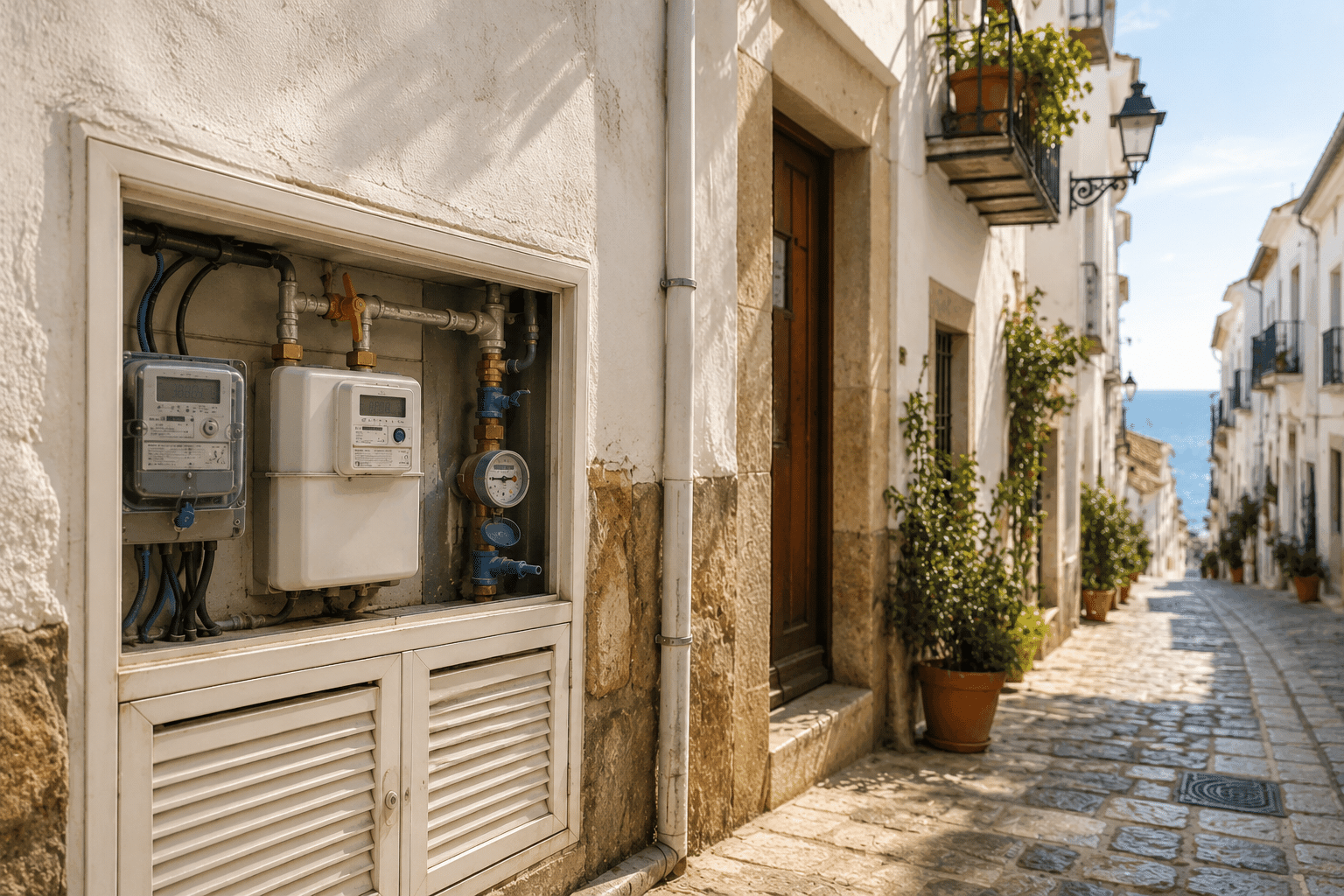
Electricity in Spain is much more flexible than in the US because you can choose your own provider. When you move into a home, there is usually already an active contract in place. You can either transfer the service into your name or replace it with a provider of your choice. Many companies offer different pricing structures depending on usage patterns and most account management is handled online.
One of the biggest differences is how electricity usage is controlled. Every home operates under a contracted power limit known as potencia contratada. It determines how much electricity can be used at one time. If too many appliances are running simultaneously and exceed that limit, the system will trip and temporarily cut power.
This is an important consideration when evaluating a property. Older homes may have lower contracted power levels that were sufficient at the time but may not support modern needs for items like multiple AC units, pool equipment or electric vehicle charging. The good news is that this limit can usually be increased through your provider. However, in some cases an updated electrical certificate or minor upgrades may be required, which could incur additional one-time costs.
Electricity in Spain runs on 230V. While that doesn’t affect most day-to-day use, it’s another difference from the US system of 110/220v. Most American appliances, especially small kitchen items aren’t designed to handle the higher voltage even with plug adapters. It’s best not to move with those appliances and just buy new ones when you arrive in Spain.
From a cost perspective, electricity in Spain can be comparable to—or slightly higher than—some parts of the US on a per-kWh basis. However, overall monthly bills are often similar or lower due to smaller home sizes, less centralized cooling and heating plus a more moderate climate. Your actual cost will depend heavily on how your home is heated and cooled.
Gas (Butane, Propane Or Natural Gas)
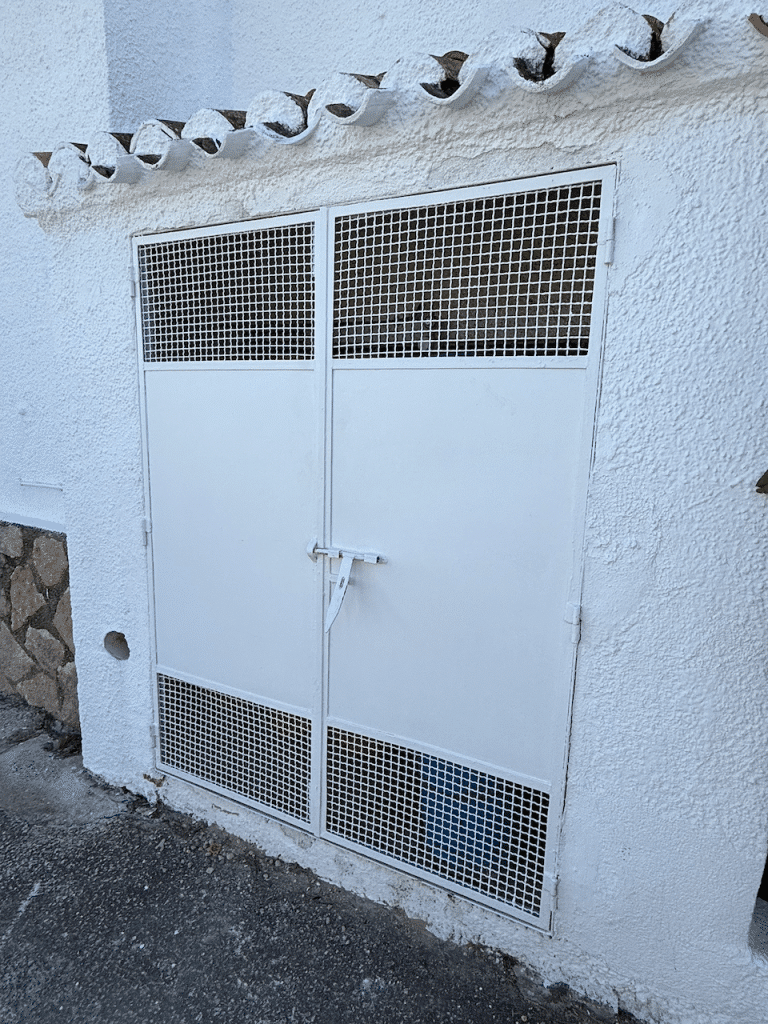
Gas is one of the areas where Spain differs most from what many people expect. While newer developments may have piped natural gas, many homes, especially villas, rely on bottled gas known as bombonas for cooking, hot water and underfloor heating. Bottled gas comes in two types: butane (in a standard blue 11 kg bottle) for indoor use including cooking and hot water and propane (in a standard 12.5 kg bottle) for outdoor applications or higher-demand systems.
Bottled gas is price-regulated by the Spanish government, so costs are consistent across the country. As of early 2026, a typical replacement bottle costs about €15.50–€15.60 when you exchange an empty cylinder for a full one. Prices are reviewed every two months and can move slightly up or down. Increases are capped to protect consumers, which keeps pricing relatively stable compared to other energy sources.
Homes with higher gas demand often have 6 to 8 canisters grouped into two sets, with a valve that switches between them. This lets you draw from one group while the other is being replaced, so you’re never without gas.
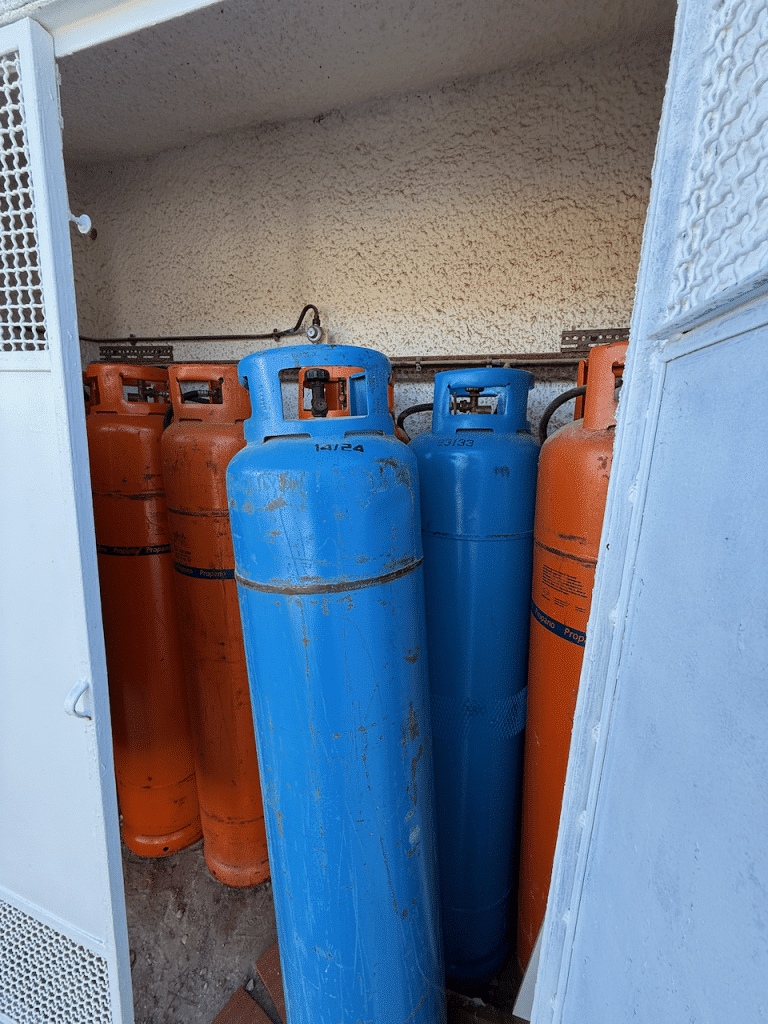
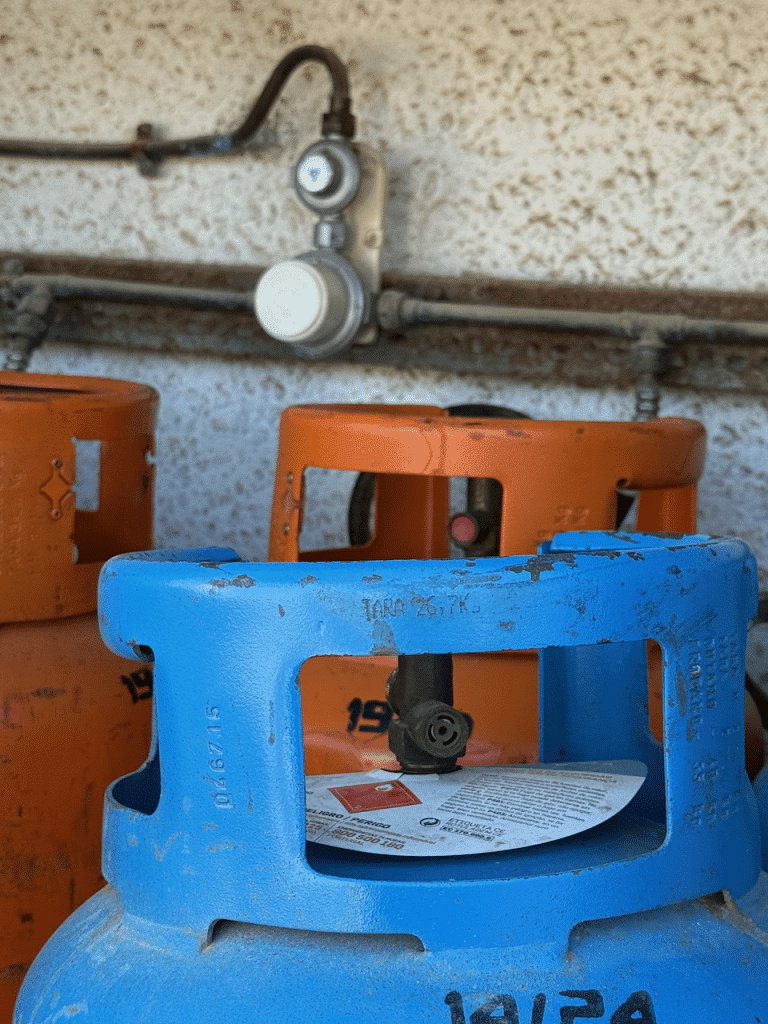
How long a gas bottle lasts varies widely depending on what it powers:
- Cooking only: often 1–3 months for a typical household
- Hot water + cooking: roughly 3–5 weeks on average
- Heating, hot water and cooking (winter use): consumption can rise to 4–6 bottles per month in colder periods
Compared to the US, bottled gas is often significantly cheaper for equivalent usage. Even with heavier winter use most households find it a cost-effective system.
Water & Sewer Service
Water service is typically managed at the municipal level or through a local provider. When you move in, accounts are usually already active and the primary task is transferring service into your name. Billing is often quarterly and may include water usage, sewer charges and waste collection fees.
One thing worth paying attention to is water quality, particularly in the Costa Blanca. Water in many areas is quite hard, meaning it contains high levels of minerals. While safe for general use, hard water can cause limescale buildup in pipes, appliances and water heaters over time. Many homeowners install water softeners or filtration systems to help extend the life of these items.
In places like Jávea, the water supply is supported in part by a desalination plant, which helps ensure consistent availability in an area with limited natural freshwater resources. This improves reliability but can influence taste and mineral composition.
Municipal sewer systems are common in newer builds, but many older properties rely on septic tanks. Understanding whether a home uses a single-stage or double-stage system gives useful insight into maintenance needs and long-term performance.
A single-stage system collects and partially treats waste in one tank before dispersing it into the ground. It’s simpler but requires more frequent emptying and monitoring.
A double-stage system adds a second treatment tank, which breaks down waste more thoroughly before dispersal, reducing how often the system needs to be serviced and generally performing better over time. For a property you’re considering purchasing, asking which type is in place and when it was last serviced gives you a clearer picture of what ongoing maintenance will look like.
Water in Spain is generally less expensive than in the US, even with outdoor use for pools or irrigation.
Trash & Recycling
Trash collection in Spain works quite differently than in the US. Trash service is typically less visible and often less expensive. Costs are usually bundled into municipal fees rather than billed as a standalone monthly service.
Instead of curbside pickup at each home, most areas use centralized collection points throughout neighborhoods, typically within a short walk. They’re usually just a few hundred meters from your home. In more rural or less dense areas you may need to drive a short distance. These are usually clusters of large containers designated for general waste, recycling, glass, and sometimes organic materials.
Residents bring their trash to these collection points rather than leaving it outside their homes. In some towns, there are rules about when trash can be deposited to help manage odors and maintain cleanliness. Collection points are maintained by the local municipality (or service provider) and are emptied regularly, often daily in higher-density areas. They’re routinely cleaned (sometimes daily in the summer) to keep them usable and sanitary.
Recycling is well integrated into the system, with clearly marked bins for different materials. Larger items, such as furniture or appliances, typically require a special pickup or must be taken to a designated facility.
Solar Power
Solar energy is increasingly common in Spain, particularly in regions like the Costa Blanca where sunlight is abundant. Many homes now include rooftop solar systems that can significantly reduce electricity costs depending on system size and usage.
When evaluating a property with solar, confirm a few key things:
- System capacity and whether it’s sufficient to support the home’s needs
- Grid compensation registration (compensación de excedentes) which allows unused energy to be credited against your bill
- Battery storage, which lets excess solar energy be used at night or during outages
Solar can also offset higher-demand uses like pool heating, making it more practical to run during cooler months without driving up electricity costs.
For homeowners installing solar after purchase, Spain offers several incentives, including regional subsidies and local IBI property tax discounts. Availability varies by area and changes over time, so check current programs at both the regional and municipal level when planning an installation.
In general, solar can significantly lower or even eliminate monthly electricity costs compared to grid-only usage in Spain or typical US electricity bills.
What to Expect When Setting Up Utilities
In most cases, utilities are already active when you move into a property. The primary task is transferring accounts into your name. This typically requires your NIE, a Spanish bank account and documentation tied to the property. While some providers still require in-person visits, many services can now be handled online or over the phone making the setup process relatively straightforward.
FAQs
Do I need to be in Spain to set up utilities?
In most cases, no. Many utility accounts can be transferred or set up remotely, especially if you’re working with a lawyer, gestor or real estate agent who can handle the process on your behalf.
What happens if I don’t transfer utilities into my name right away?
Services will usually continue to run but leaving accounts in the previous owner’s or tenant’s name can create complications later especially with billing, deposits, or service changes. It’s best to transfer everything as soon as possible.
Are utility contracts long-term or easy to change?
Most utility contracts in Spain are relatively flexible, especially for electricity and gas. You can typically change providers or plans without major penalties, though some contracts may include minimum terms or small administrative fees.
Will utility bills be sent by mail or online?
Most providers offer digital billing and account management, and many expats choose to go paperless. Some companies may still send physical bills by default, but this can usually be changed once your account is set up.
Do utility providers offer English-language support?
Some larger providers do offer limited English support particularly online or through customer service lines. However, it’s not guaranteed. In many cases you may need basic Spanish or assistance when setting up or managing accounts.

Before Moving
Everything you need to sort before you leave — visas, NIEs, finances and the hundred other things on your pre-move list.

After The Move
What you need to get sorted once you arrive — utilities, healthcare, paperwork and all the practicalities of your new life in Spain.

Property Guide
Here’s what to know about buying property in Spain as an American — from your first search to signing at the notary.

Resources
Checklists, glossaries and vetted websites to help you plan, prepare and hit the ground running in Spain.

Our Journey
Follow along as we document our move from Portland, Oregon to Jávea, Spain — the highs, the headaches and everything in between.
This page last updated: