
Before Moving To Spain
Power Of Attorney
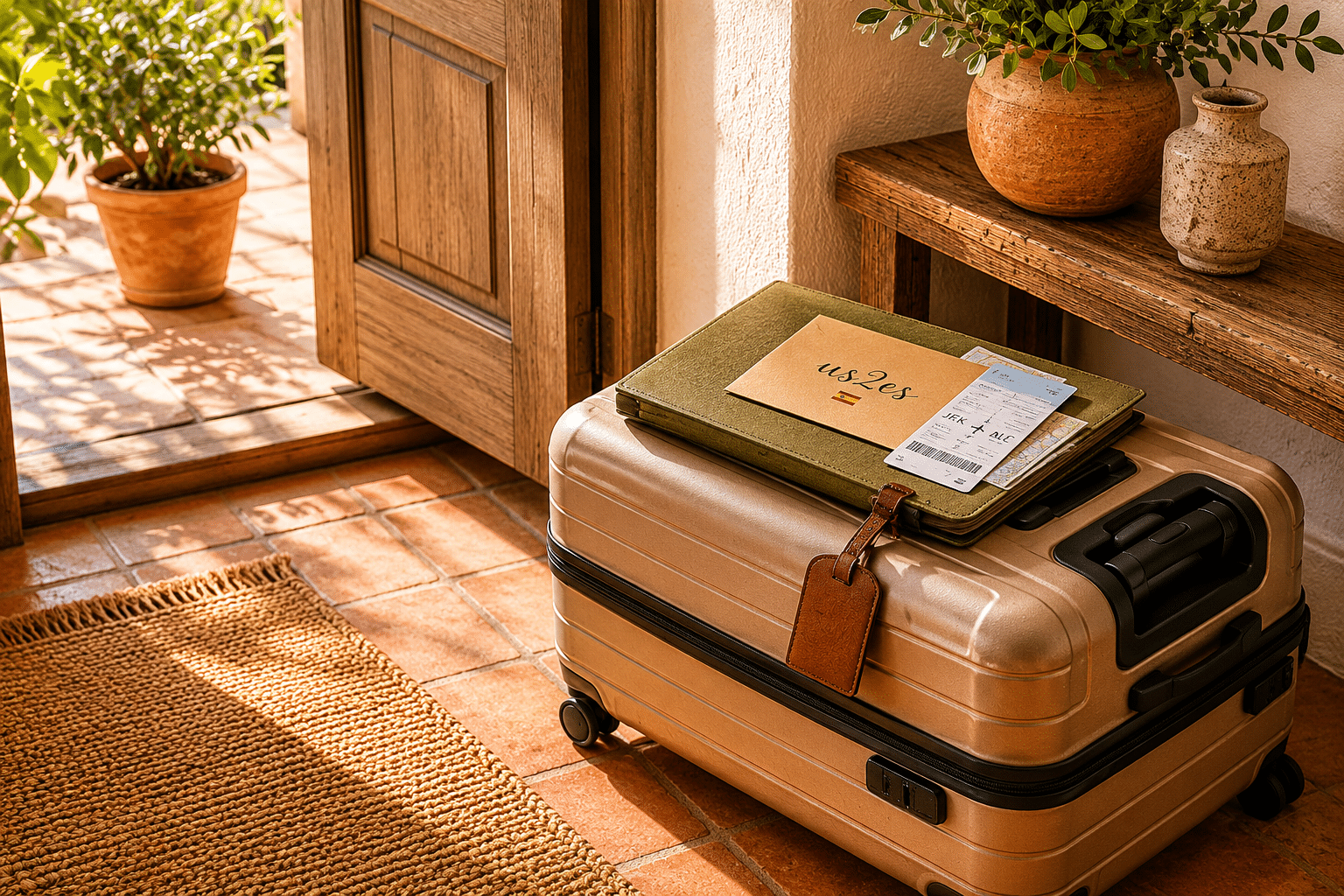
Getting residency and buying a house in Spain involve a lot of signatures, appointments and offices. If you’re still living in the US, you can’t be there for all of them. A power of attorney (poder notarial) lets someone you trust (usually your Spanish lawyer) act for you so the process keeps moving even though you’re not in Spain.
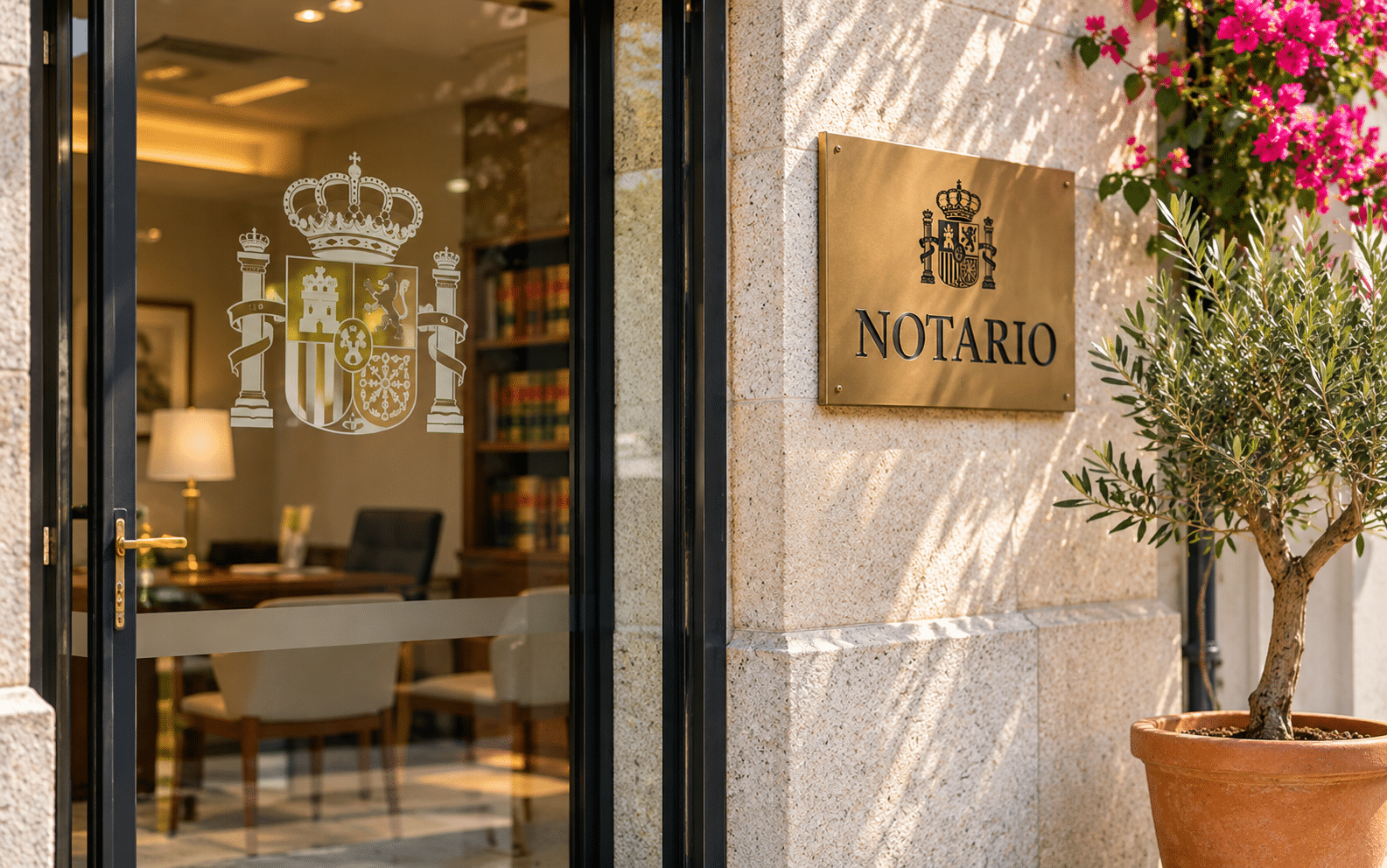
What A Spanish Power Of Attorney Is
A power of attorney is a legal document that gives another person the authority to act on your behalf. In Spain it has to be signed before a notario, the public official who confirms your identity and makes sure you understand what you’re signing. The person you give authority to is called the apoderado.
The notario keeps the original document in their records. Your representative gets an official copy called the copia autorizada, and they show that copy whenever they act for you.
Types Of Spanish Power Of Attorney
There are two main types:
- General power of attorney (poder general)
Broad authority covering many kinds of tasks. It’s useful when several processes are happening at once. - Specific power of attorney (poder especial)
Limited to one task or transaction, such as signing the deed for one property.
Many buyers end up with something in between which is a power of attorney written for their situation that lists exactly what their representative can do on their behalf. Ours covers anything related to our residency and house purchase, so for us, one document handles every step instead of having numerous ones.
What A Spanish Power Of Attorney Can Cover
Depending on how it’s written, a Spanish power of attorney can let your representative:
- Apply for your NIE
- Open a Spanish bank account
- Sign the reservation and purchase contracts for a home purchase
- Sign the title deed (escritura) at the notario
- Pay taxes and register the property
- Set up utilities
- Handle paperwork connected to your visa and residency
Some things can’t be delegated by a power of attorney. A will, for example, must be signed by you in person.
A note on mortgages: if you’re financing your home purchase, ask your lender early whether they’ll accept a power of attorney for signing the mortgage. Many lenders have their own requirements.
Three Ways To Sign A Spanish Power Of Attorney
- At a notario in Spain. This is the simplest and usually the cheapest option. You sign in person, there’s no apostille or translation, and it’s often done in one appointment. If you have a house hunting trip planned, it’s a good time to take care of it.
- At a Spanish consulate in the US. Consulates can act as a notario for Spanish documents. It’s a good option if you can’t travel, but appointments can be limited.
- At a US notary. You sign before a regular notary public, then get a Hague Apostille from your state’s Secretary of State. You’ll usually also need an official Spanish translation. This route takes the most time and costs the most, but it works from anywhere.
What To Expect At The Notario
Bring your original passport.
Everyone signing has to appear in person with an original valid passport. A copy isn’t enough. If you already have your NIE, bring that too.
Have your lawyer send the details ahead of time.
The notario’s office prepares the document before you arrive. Your lawyer usually sends the wording, your personal details and the representative’s details in advance, so the appointment is just reading and signing.
Plan for a wait.
Notario offices are busy, and appointments often start late. A property signing ahead of yours can easily run long. Don’t schedule anything tight right afterward.
Everything happens in Spanish.
The notario reads the whole document aloud in Spanish before you sign, and many notarios speak little or no English. If you don’t understand Spanish well, you’ll need an interpreter.
The notario has to be satisfied that you understand what you’re signing, and they may not go ahead without one. Some notarios accept a bilingual lawyer, while others expect a sworn translator (traductor jurado). Ask your lawyer which one yours requires before the appointment.
What Are The Costs?
Notario fees in Spain are set by a government tariff, so they’re about the same everywhere.
A power of attorney signed in Spain usually costs somewhere between €60 and €150, plus 21% IVA.
A broader document costs a bit more than a simple one. Your lawyer may charge separately to draft it or may include it in a larger package. If you need an interpreter it adds a modest fee. If you choose to do it in the US with a US notary, it adds apostille and translation costs as well.
Things To Know About Your Power Of Attorney
- Choose your representative carefully. A broad power of attorney gives someone real control over your affairs. Use an established lawyer or gestor you’ve checked out.
- It doesn’t expire on its own. Unless it includes an end date, it stays valid until you revoke it.
- Revoke it when you’re done. You can cancel it at any time by signing a revocation at any notario in Spain, not just the one where you signed it. The notario notifies your representative and asks for the copia autorizada back.
Our Experience
We signed our power of attorney with Pellicer & Heredia (our law firm in Spain) during our September 2026 house hunting trip, at one of the two notarios in Jávea. Our cover anything related to our visa and our house purchase.
We brought our passports and a translator, since the notario read everything in Spanish. We had about a 15 minute wait when we arrived. The signing itself was straightforward once we were called in and took about 10 minutes.
It paid off quickly. A few days later our lawyer was able to sign our house deposit contract and apply and pick up our NIE at the Jávea police station while we were back in Portland. In the future, it will let them handle the rest of the purchase paperwork if we can’t be there for every step.
FAQs
Do I need a power of attorney to buy a house in Spain?
No, but if you can’t be in Spain for every signing, it’s the easiest way to keep things moving.
Can my real estate agent hold my power of attorney?
It’s possible, but most buyers give it to their own independent lawyer. Your lawyer works only for you, while the agent is paid when the sale closes.
Does a power of attorney signed in Spain work in the US?
Not automatically. Using it in another country requires an apostille as well.
Can I give power of attorney to my spouse or partner?
Yes. Couples sometimes do this so one person can sign for both.
Is the notario connected to my lawyer?
No. Notarios are independent public officials, even if a name happens to match your law firm’s.

Before Moving
Everything you need to sort before you leave — visas, NIEs, finances and the hundred other things on your pre-move list.

After The Move
What you need to get sorted once you arrive — utilities, healthcare, paperwork and all the practicalities of your new life in Spain.

Property Guide
Here’s what to know about buying property in Spain as an American — from your first search to signing at the notary.

Resources
Checklists, glossaries and vetted websites to help you plan, prepare and hit the ground running in Spain.

Our Journey
Follow along as we document our move from Portland, Oregon to Jávea, Spain — the highs, the headaches and everything in between.
This page last updated: