
Our Journey To Spain
Jávea And Dénia
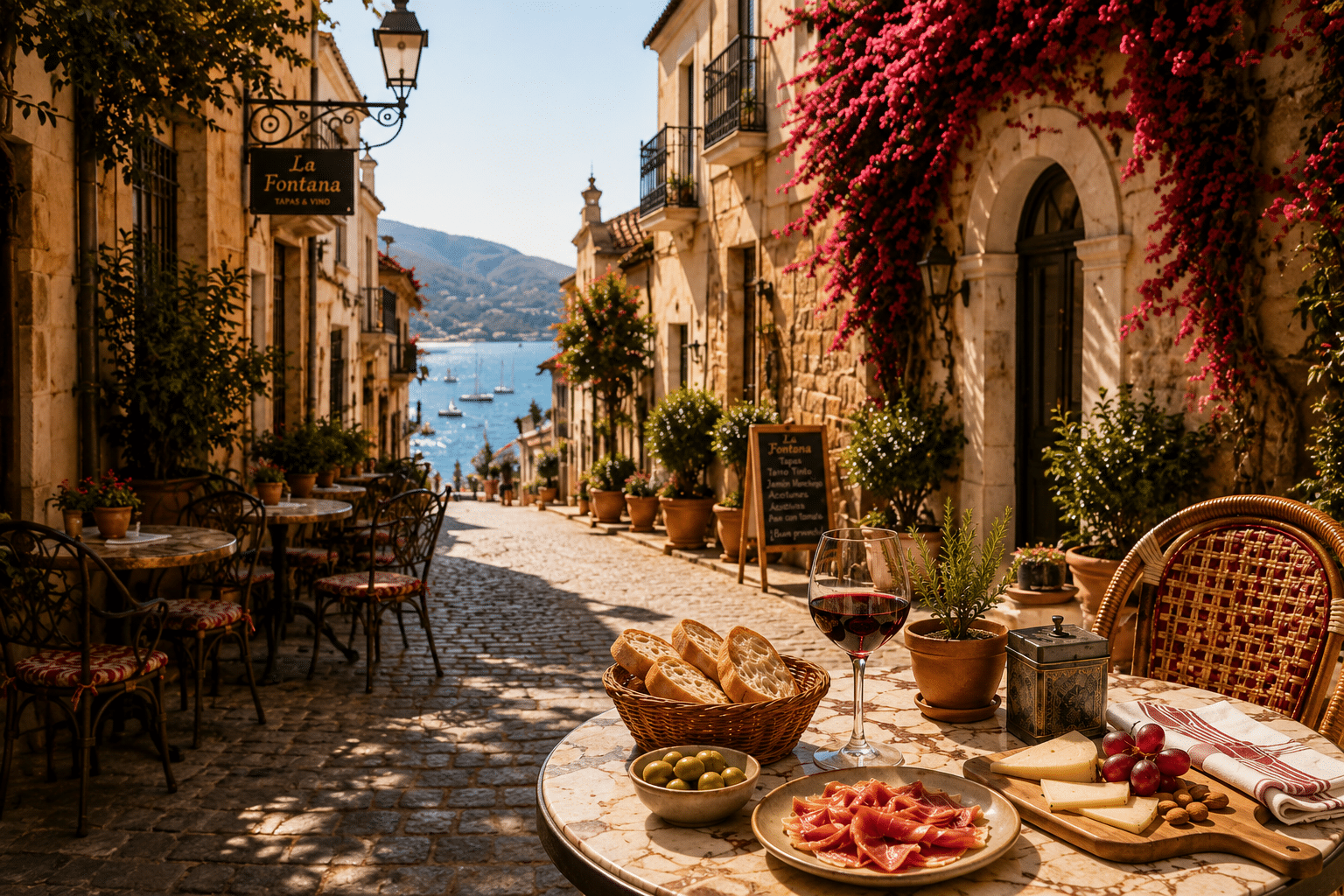
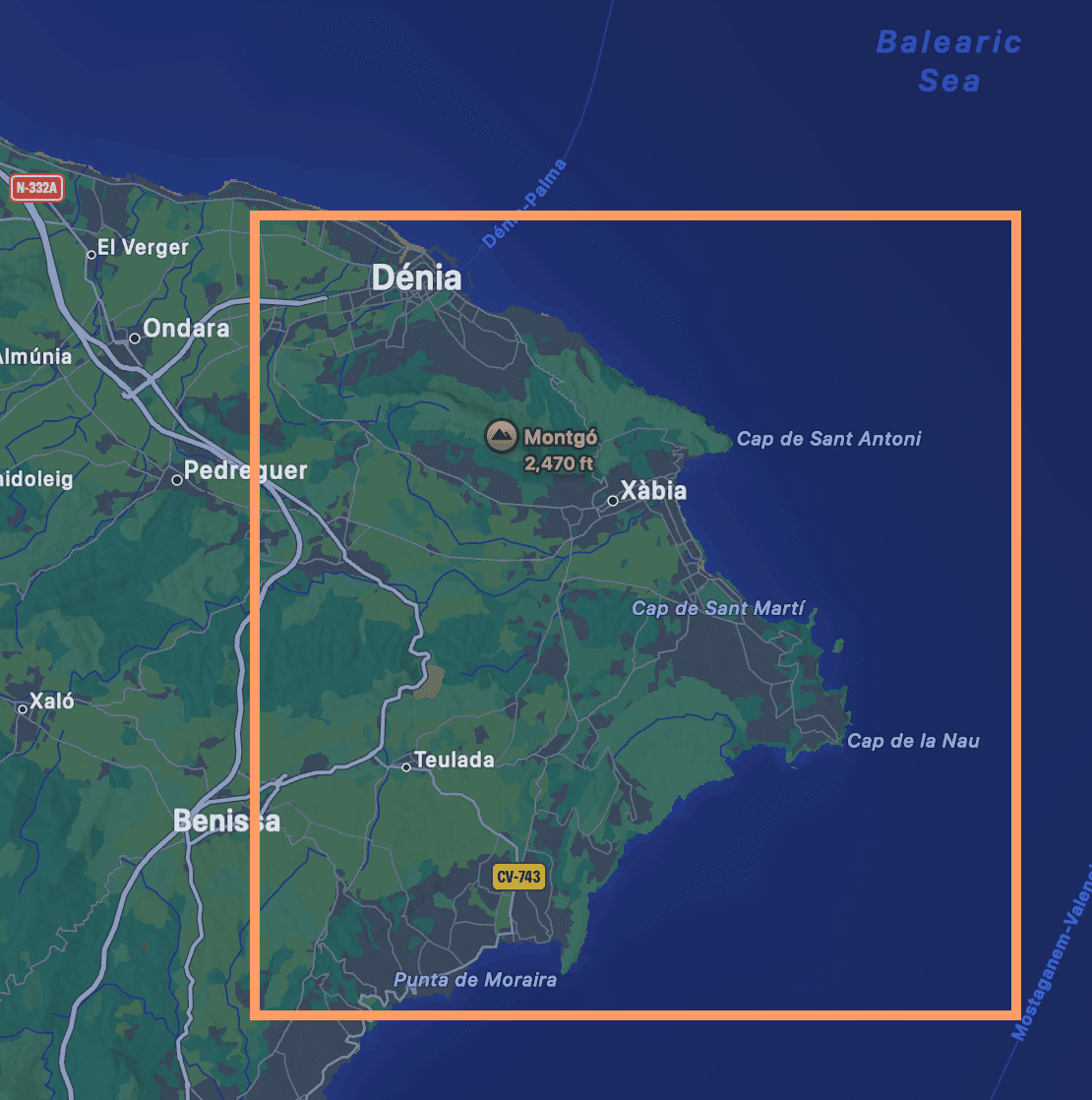
Two towns, 10 kilometers apart, sharing the same mountain backdrop and the same stretch of Mediterranean coastline — and yet noticeably different from each other in character, pace and layout. Most Americans who end up in the Northern Costa Blanca settle in one of these two.
We chose this area because it hits a rare combination: right on the Mediterranean, excellent climate, still affordable and not overdeveloped. Here’s what you need to know about both.
Jávea
Jávea has a permanent population of around 27,000 that roughly doubles in summer, but even at peak season it doesn’t feel overrun the way other Costa Blanca towns do. Travel & Leisure recently did a story about Jávea. It’s a good glimpse into why Jávea is so special. You’ll find the article here.
Jávea Is Three Towns in One
What makes Jávea unusual is that it’s really three distinct areas within a few kilometers of each other.
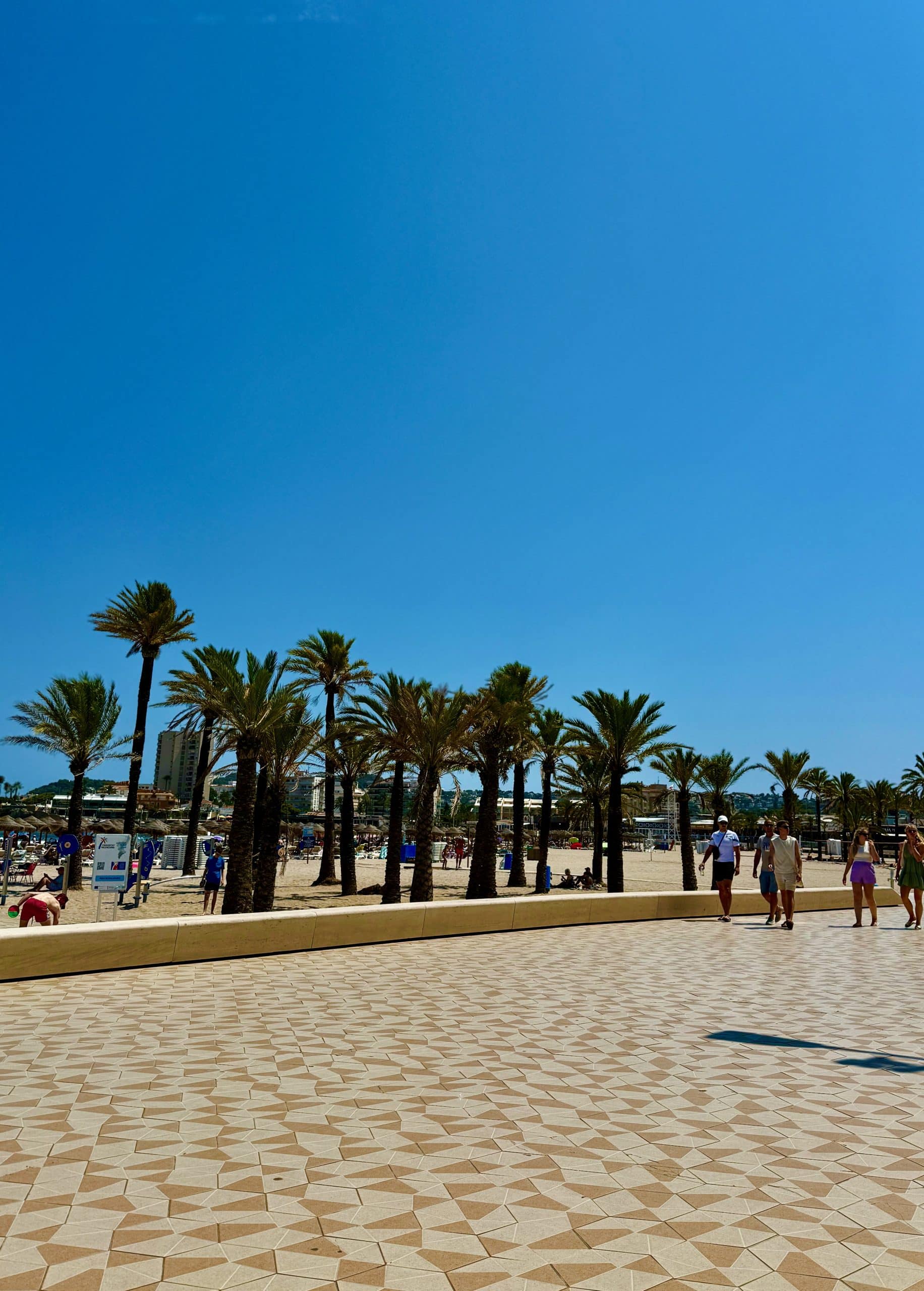
The Arenal
The Arenal is the main sandy beach. The bay is shallow and calm, good for families and paddleboarding, with a row of restaurants and cafés along the promenade.
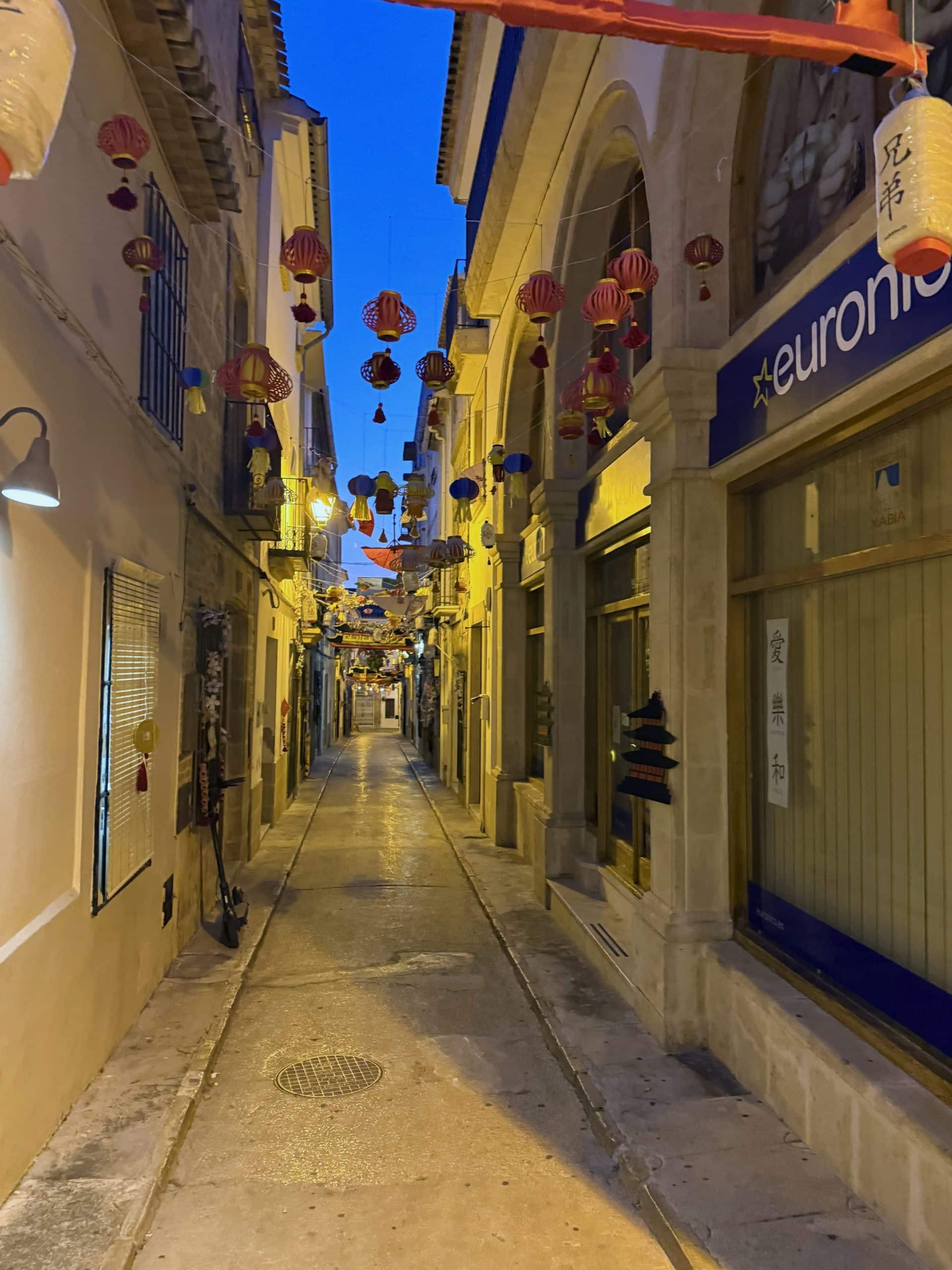
Old Town
The Old Town has narrow stone streets, small plazas and the 16th-century church of San Bartolomé at its center. It’s where you’ll find the weekly market and a quieter sense of local life.
The Port
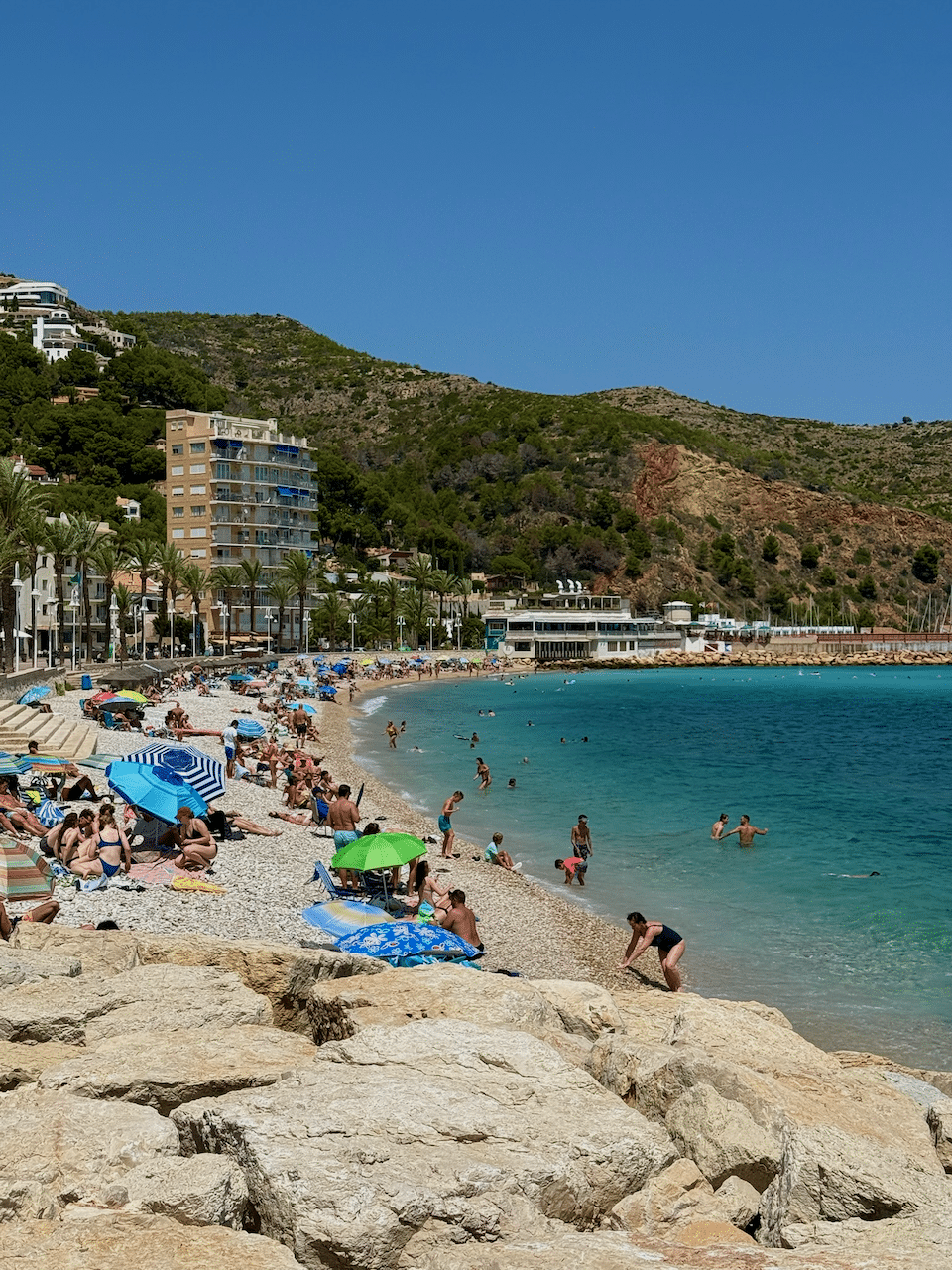
The Port is a working marina with a pebble beach, seafood restaurants and waterfront cafés. The modernist church of Our Lady of Loreto — shaped like the hull of a ship — is a local landmark.
No High-Rises, No Overdevelopment
Jávea has strict zoning rules that prohibit high-rise construction. That’s kept it from going the way of Benidorm and protected both the skyline and long-term property values. The tradeoff is that property here costs more than in neighboring towns.
Getting Here and Getting Around
Jávea sits almost exactly halfway between Alicante Airport and Valencia Airport, each about 100 kilometers away. Alicante is the fifth largest airport in Spain with direct connections to most major European cities. The AP-7 coastal highway puts Madrid and Barcelona about five hours away. For high-speed rail, the AVE from Alicante reaches Madrid in just over two hours, with onward connections throughout Spain and into France.
One thing worth being direct about: a car is essentially mandatory for daily life in Jávea and most of the surrounding area. Public transport between towns is limited and most expats find that having a car transforms what the area has to offer. Uber does have a few drivers in the area, but it’s not many. Availability is hit or miss. BlaBla Car is a car pool and ride sharing app that can be helpful if you’re open to traveling on someone else’s schedule.
Dénia
Dénia sits just north of Jávea and is the larger of the two towns, with a permanent population of around 40,000–47,000. It serves as both a historical hub and a modern coastal retreat with nearly 20 kilometers of coastline.
The Old Town and Castle
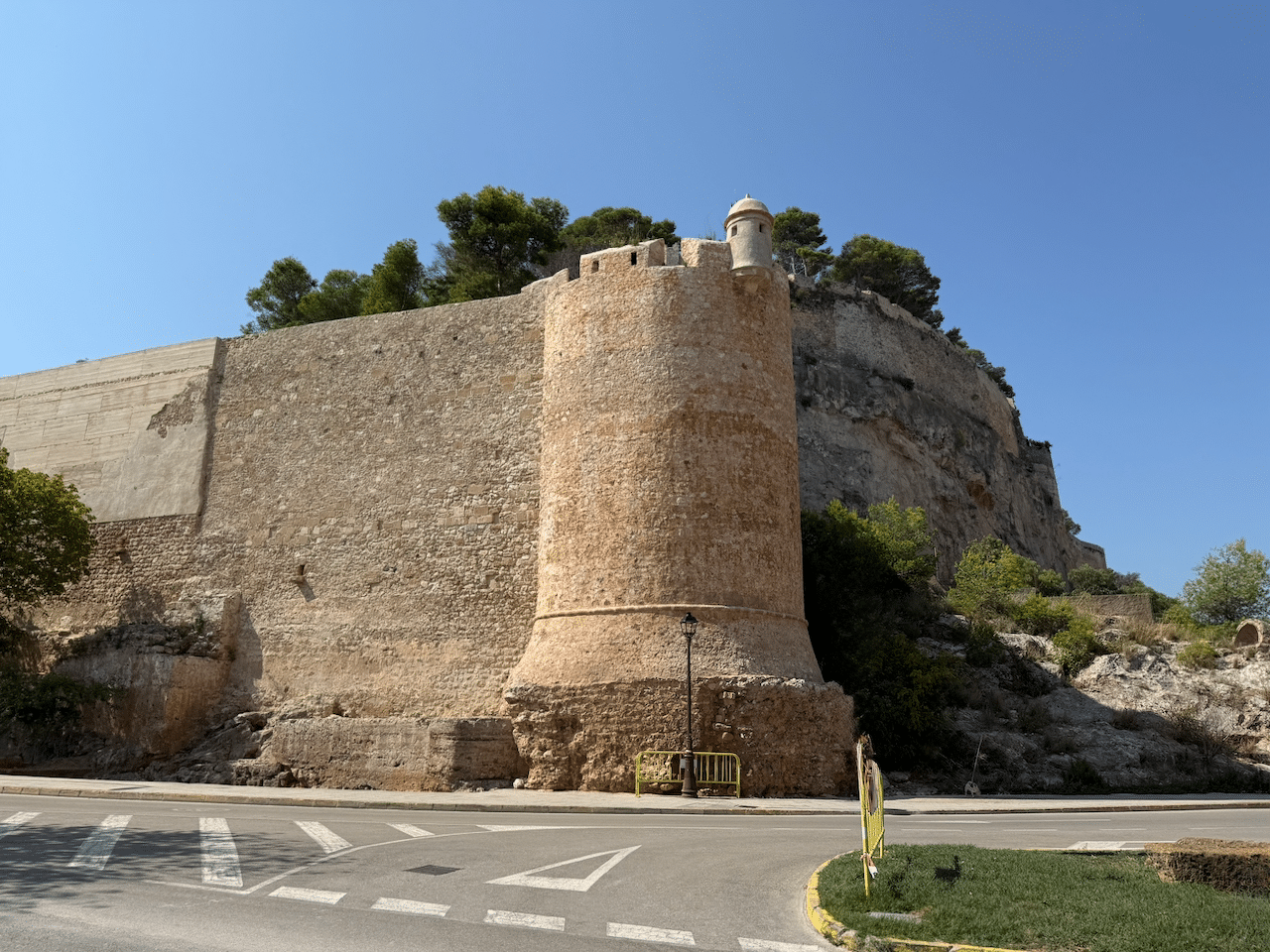
An 11th-century Moorish castle sits at the heart of Dénia’s historic old town, at the edge of where the town meets the sea. Below it, narrow streets are lined with bars and restaurants, each with rows of outdoor seating — an easy place to spend an evening watching the paseo under jacaranda trees and date palms.
Expat Community
The foreign population in Dénia accounts for roughly 30% of total residents, drawn primarily from the UK, Germany, the Netherlands and Scandinavia. English is widely spoken, especially in areas with a higher concentration of expats, which eases the transition for those still learning Spanish.
Ferry Access
One thing Dénia has that Jávea doesn’t is a major ferry port. Regular services connect Dénia to Ibiza, Formentera and Mallorca, with Ibiza just a two-hour trip away.
Open Year-Round
While coastal resorts to the south effectively close down from October to May, Dénia’s permanent population is large enough to keep restaurants, markets, banks and supermarkets running year-round. That makes it a more functional base for full-time residents than many smaller beach towns.
Despite sitting just 10 kilometers apart — about a 10-minute drive — Jávea and Dénia feel quite different from each other in character, pace and what they offer day to day.
Jávea presents a more upscale real estate market, while Dénia offers a more authentic Spanish feel and has a train service for those without a car. Dénia also has a public hospital. Jávea tends to feel quieter and more residential; Dénia has more activity, a larger commercial center and a more diverse mix of ages and backgrounds. Both are solid options — the right choice depends on what kind of daily life you’re after.
Food and Wine
The area around Jávea and Dénia punches well above its weight when it comes to food. There are seven Michelin-starred restaurants in the region along with eight more in the Michelin Guide — impressive for an area this size.
At the center of it all is the Dénia red prawn, caught at depths up to 700 meters off the coast and considered one of the finest prawns in the world. Dénia was awarded UNESCO Creative City of Gastronomy status in 2015, a designation that reflects a food culture built on genuinely exceptional local ingredients rather than tourism. The daily fish market in Dénia is worth a visit on its own — fresh catches come in early and sell fast.
Alongside the seafood, the fertile valleys produce citrus fruits, almonds, avocados and olives, much of it available at the weekly markets that run throughout the area year-round. The Moscatel wines from the nearby Vall de Pop are worth seeking out — many bodegas around Jalón offer free tastings and welcome visitors without an appointment.
On this page, we list the restaurants, coffee shops and wine stores we’ve visited.
Arts and Culture
Jávea and Dénia have a genuine cultural life that goes well beyond the beach. Dénia in particular has a lively arts scene for a town its size, with galleries, theatre productions and a cultural center that runs year-round programming. The weekly markets are a social institution as much as a place to shop — locals turn out every week and for expats they become one of the first places where you start to feel part of the community rather than just a visitor.
Both towns host their own versions of the major regional festivals — Moors and Christians, Sant Joan bonfires, Fallas — alongside countless local patron saint fiestas. For the broader cultural calendar of region, see our culture page.
Climate
What makes Jávea’s climate particularly interesting is how much it varies across a small area. Local studies identify 13 distinct microclimates across the municipality — the Old Town, Arenal Beach and the slopes of Montgó can each have noticeably different humidity, wind and temperature patterns on the same day. Residents sometimes choose neighborhoods based on which microclimate suits them best.
Spring (March–May) is arguably the best time to be here. Temperatures are mild, the hillsides around Montgó are green, wildflowers are out and the crowds haven’t arrived yet. The almond blossoms in the Vall de Pop typically peak in February and bleed into early March, making it one of the most scenic periods of the year.
Summer (June–September) is warm to hot, with July and August regularly hitting the low-to-mid 30s°C (high 80s–low 90s°F). The population swells, beaches get busy and restaurant reservations matter more. That said, Jávea and Dénia handle the season better than most Costa Blanca towns — the no high-rise rules keep things from feeling like a resort strip. Evenings are warm and lively well into the night.
Autumn (October–November) brings relief from the heat and a return to a quieter, more local rhythm. Markets, festivals and day-to-day life settle back in, and the light along the coast in October is exceptional. There’s occasional rain but nothing sustained.
Winter (December–February) is mild by any northern standard — daytime temperatures typically sit between 15–18°C (59–65°F) with plenty of sunny days. It does cool down in the evenings and there are rainy stretches, particularly in December and January. Some beach-facing businesses reduce hours or close temporarily, but both towns stay functionally open year-round.
Property and Real Estate
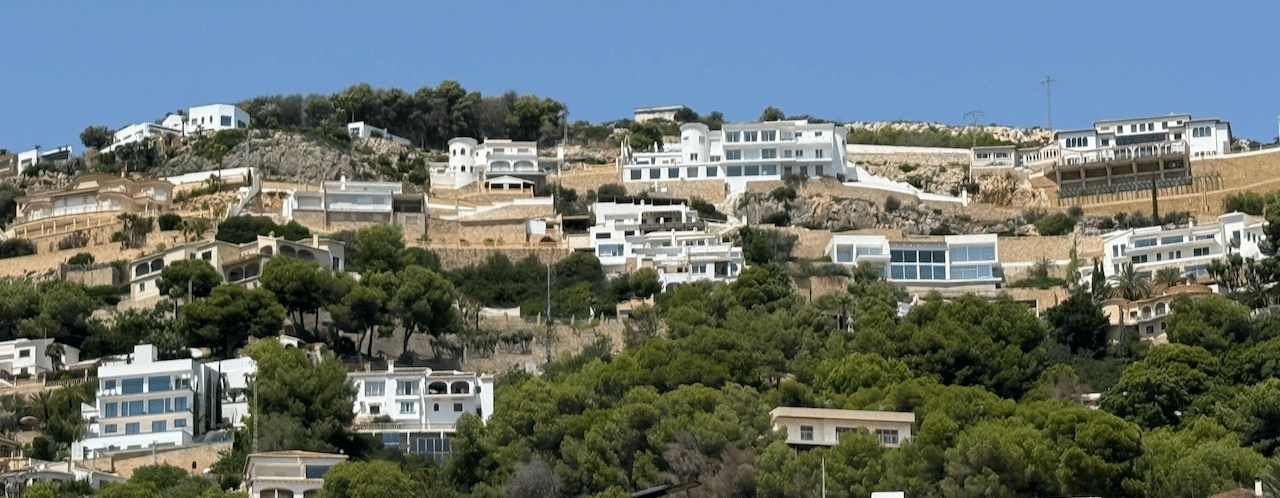
The Northern Costa Blanca offers a wide range of property options — from village houses and inland fincas to seafront apartments and hillside villas with Mediterranean views. Jávea sits at the higher end of the local market; Dénia and the surrounding villages offer more variety at different price points.
Our property section covers everything from how the buying process works in Spain to what to look for when evaluating a home.
What to Know Before You Move
Healthcare — The Marina Alta region has solid public and private healthcare options. Dénia has the area’s main public hospital, and there are private clinics in both Jávea and Dénia with English-speaking staff. For major procedures or specialists, Valencia and Alicante are both within 90 minutes.
Cost of Living — Day-to-day life here costs significantly less than most US cities. Groceries, dining out and utilities are all noticeably cheaper and the quality is high. Property is the one area where costs vary widely depending on location and type.
Language — English is widely spoken throughout the Jávea and Dénia area, particularly in expat-heavy neighborhoods, shops and medical offices. You can manage daily life without Spanish, though learning the basics goes a long way with locals.
Internet and Connectivity — Fast fiber internet is widely available in both towns and most urbanizaciones. It’s one of the things American expats are consistently surprised by.
Crime and Safety — Jávea is widely regarded as one of the safer places to live on the Costa Blanca. Crime is overwhelmingly non-violent — most incidents involve opportunistic theft rather than anything personal. Expats consistently note that daily life here simply feels safer than what they were used to in the US. Families and older residents are out walking late into the evening, restaurants stay busy well after dark and there’s a strong sense of community presence. Basic common sense covers most of it — lock your car, don’t leave valuables visible and keep an eye on your phone in crowded areas.
Nearby Towns
The Jávea and Dénia area is surrounded by dozens of small towns and inland villages, each with its own character. Within about a 30-minute drive you’ll find communities tucked into valleys, perched on hills or stretched along the coast — some known for wine or almond blossoms, others for cliffside views or weekly markets. Exploring them is one of the best ways to experience the real Northern Costa Blanca.
Swipe left to see a few of the most popular ones:
Ondara
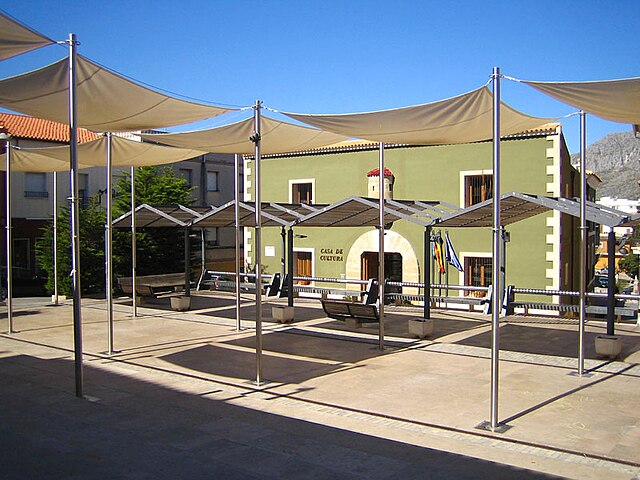
Ondara has one of the region’s oldest circular bullrings and a charming old town. The Friday market fills the center with produce and clothes, and in autumn the Fira de Fires fair brings crafts, food, and music. The town has a strong local tapas culture.
Pedreguer
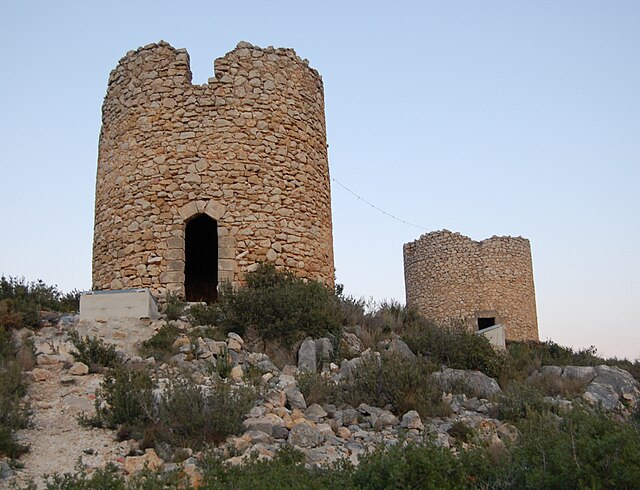
Pedreguer is larger than most of its neighbors and hosts a huge Sunday flea market in its industrial zone — perfect for treasure hunting. Visit the Ermita de Sant Blai for wide valley views or come in July for the summer fiestas. Hike to the historic molinets (windmills) from the 19th century.
Parcent
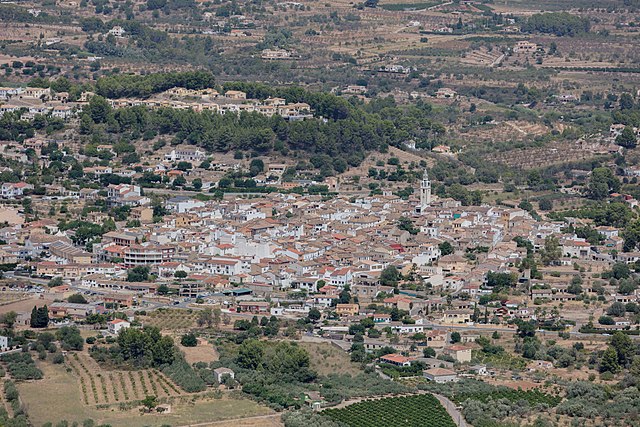
Parcent is a quiet inland village surrounded by citrus groves. Locals celebrate Sant Antoni in January with bonfires and pastries. The nearby Coll de Rates viewpoint is a favorite for cyclists and photographers.
Alcalalí
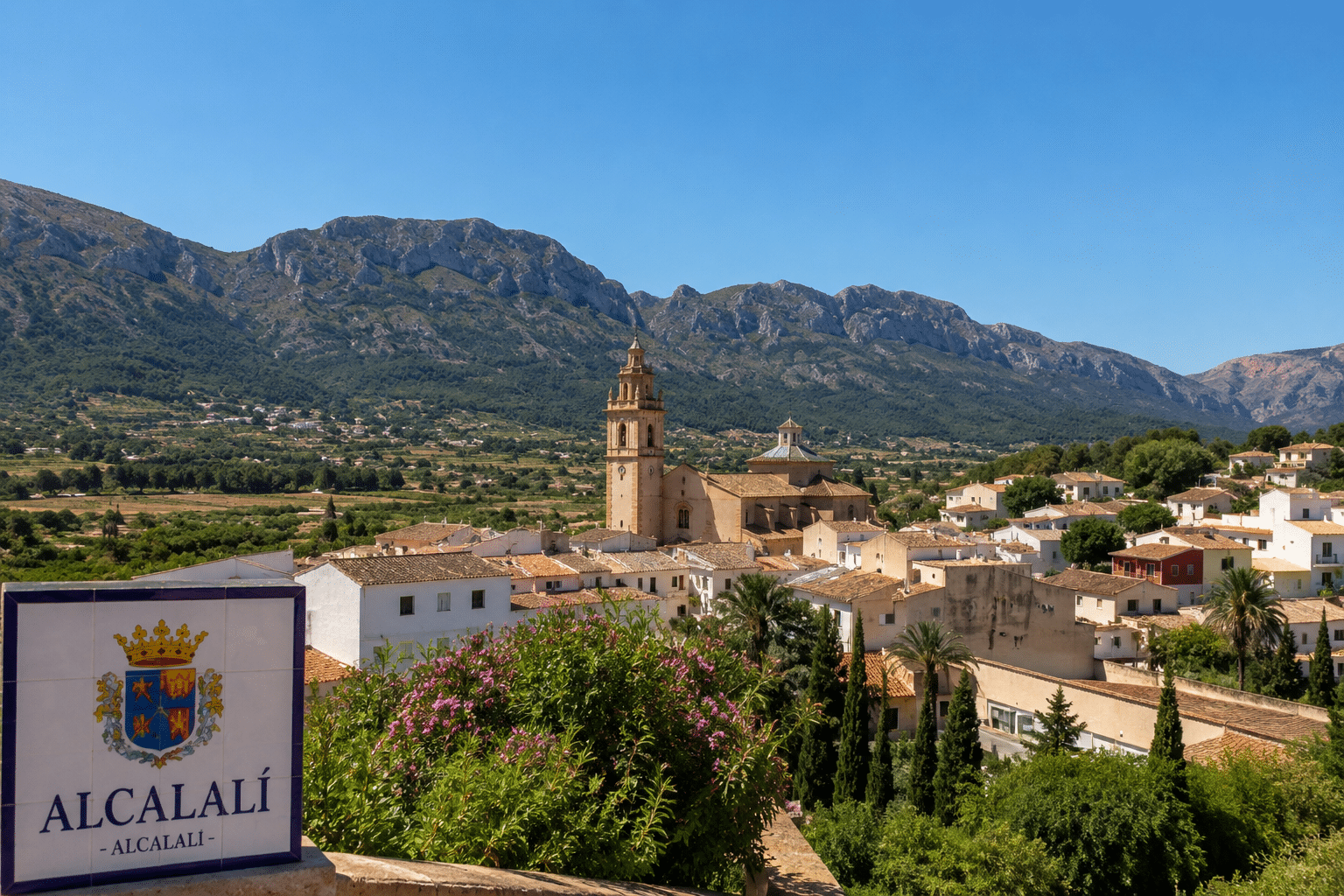
A village in the Vall de Pop, best known for its Almond Blossom Festival in February, when the entire valley turns pink and white. In January, the town also celebrates Sant Antoni Day with a blessing of the animals. Climb the Torre Medieval for panoramic views.
Lliber
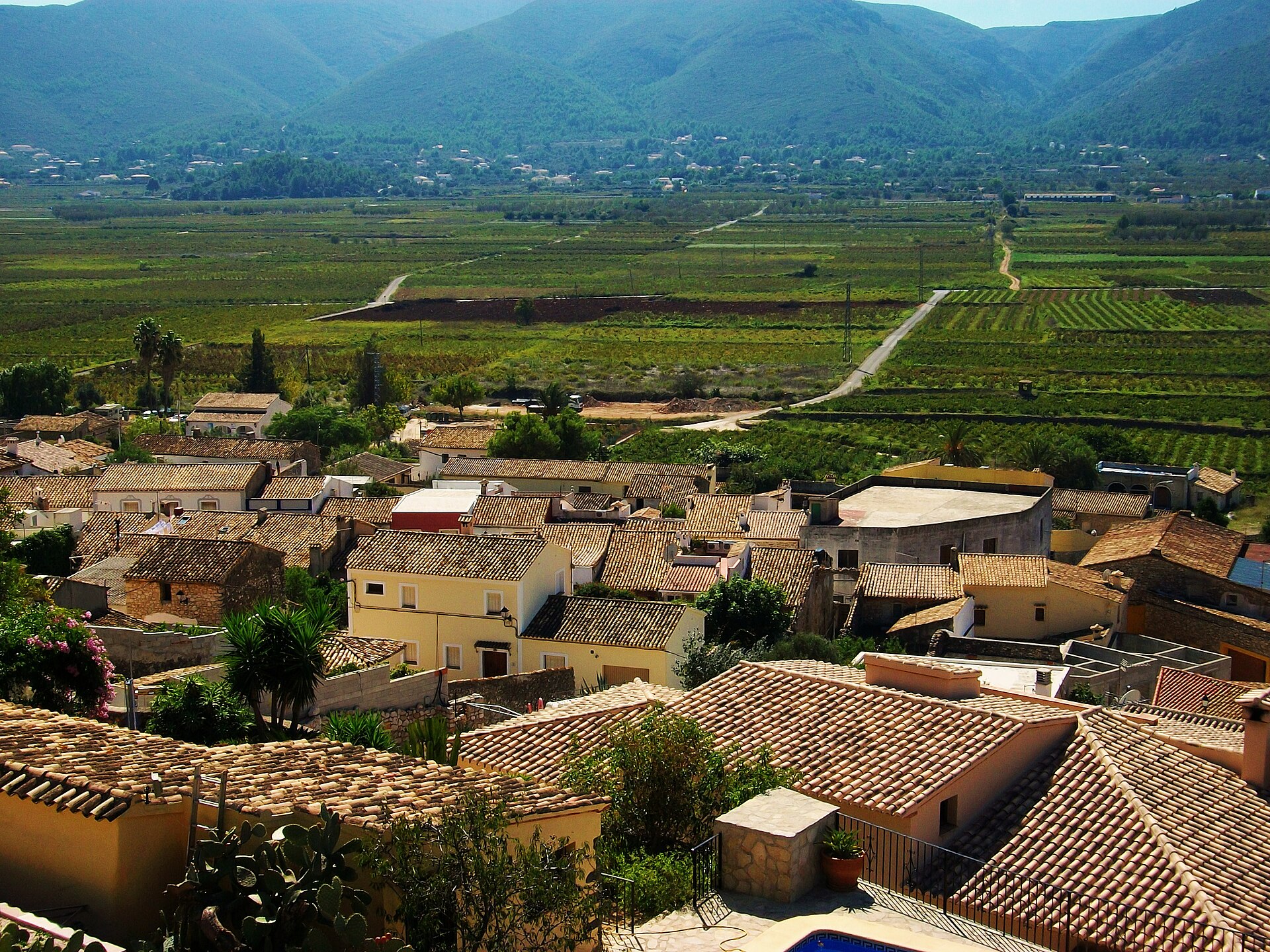
Lliber is one of the prettiest stone-built villages in the Vall de Pop. Wander its narrow lanes and small plazas or bike through the nearby vineyards and almond groves. The Fiestas Patronales in August fills the streets with traditional music and dancing.
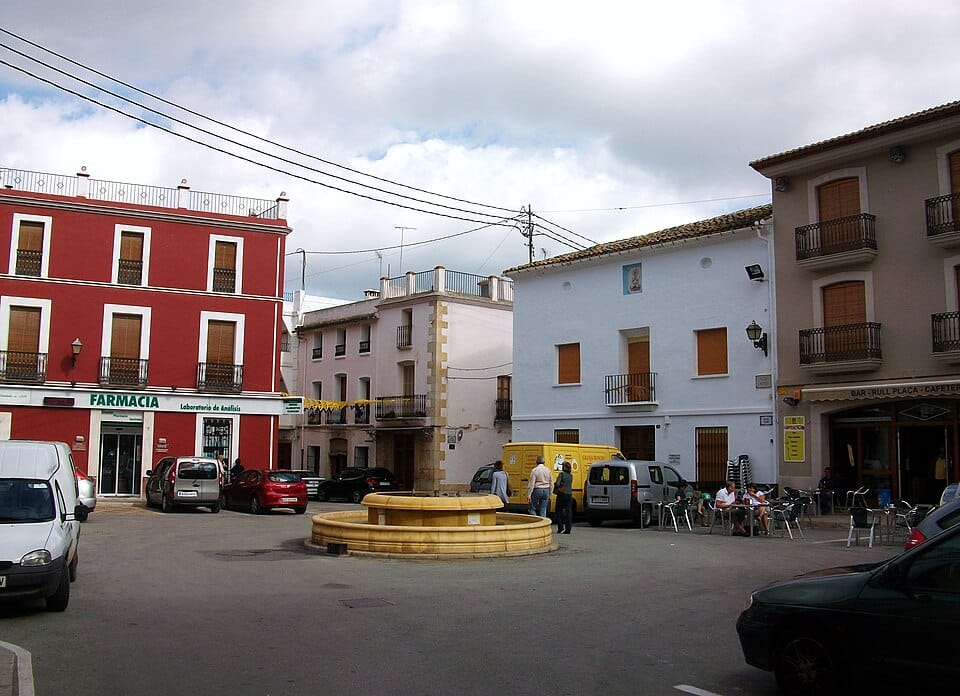
Jalón (Xaló)
Set in the heart of the Vall de Pop wine valley, Jalón is famous for its sweet moscatel wines and lively Saturday Rastro flea market which is one of the best in the Alicante region. Many bodegas offer free wine tastings year round.
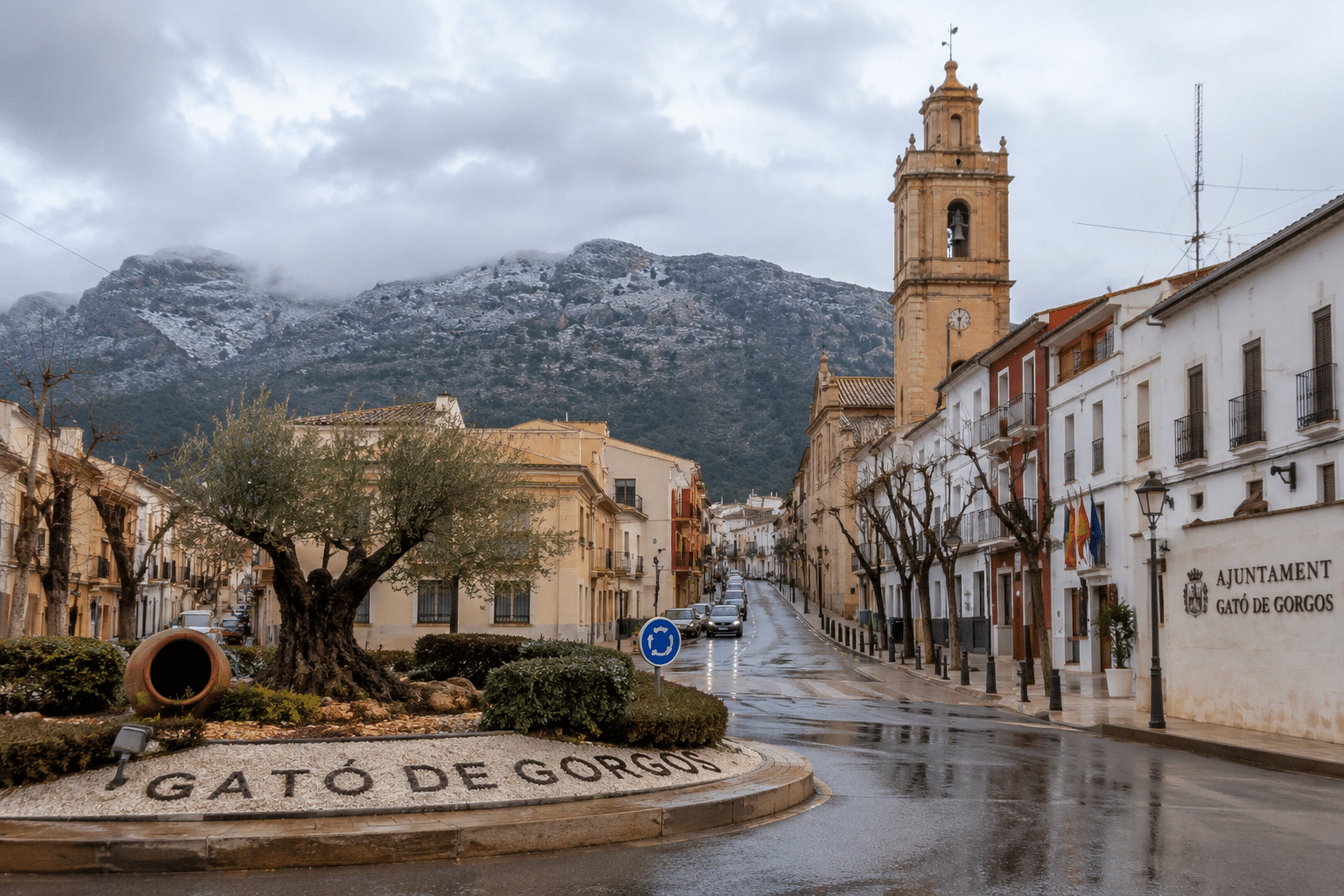
Gata de Gorgos
Known for its handcrafted wicker baskets, guitars and ceramics — it feels like a living artisan village. Walk the main street to watch workshops in action or visit the Saturday market for crafts. Pick up some local honey or olive oil to take home.
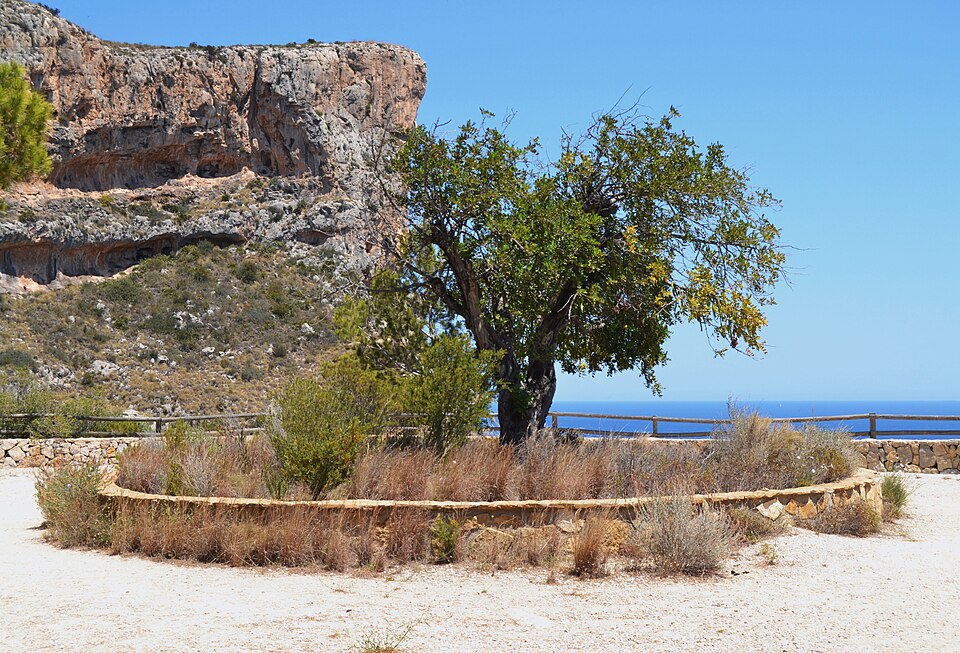
Benitachell
Benitachell is famous for the dramatic Cala del Moraig, a turquoise cove framed by cliffs. Hike the Ruta de los Acantilados trail for sweeping views of the Mediterranean. Stop in the village for tapas and its well known local rice dishes.
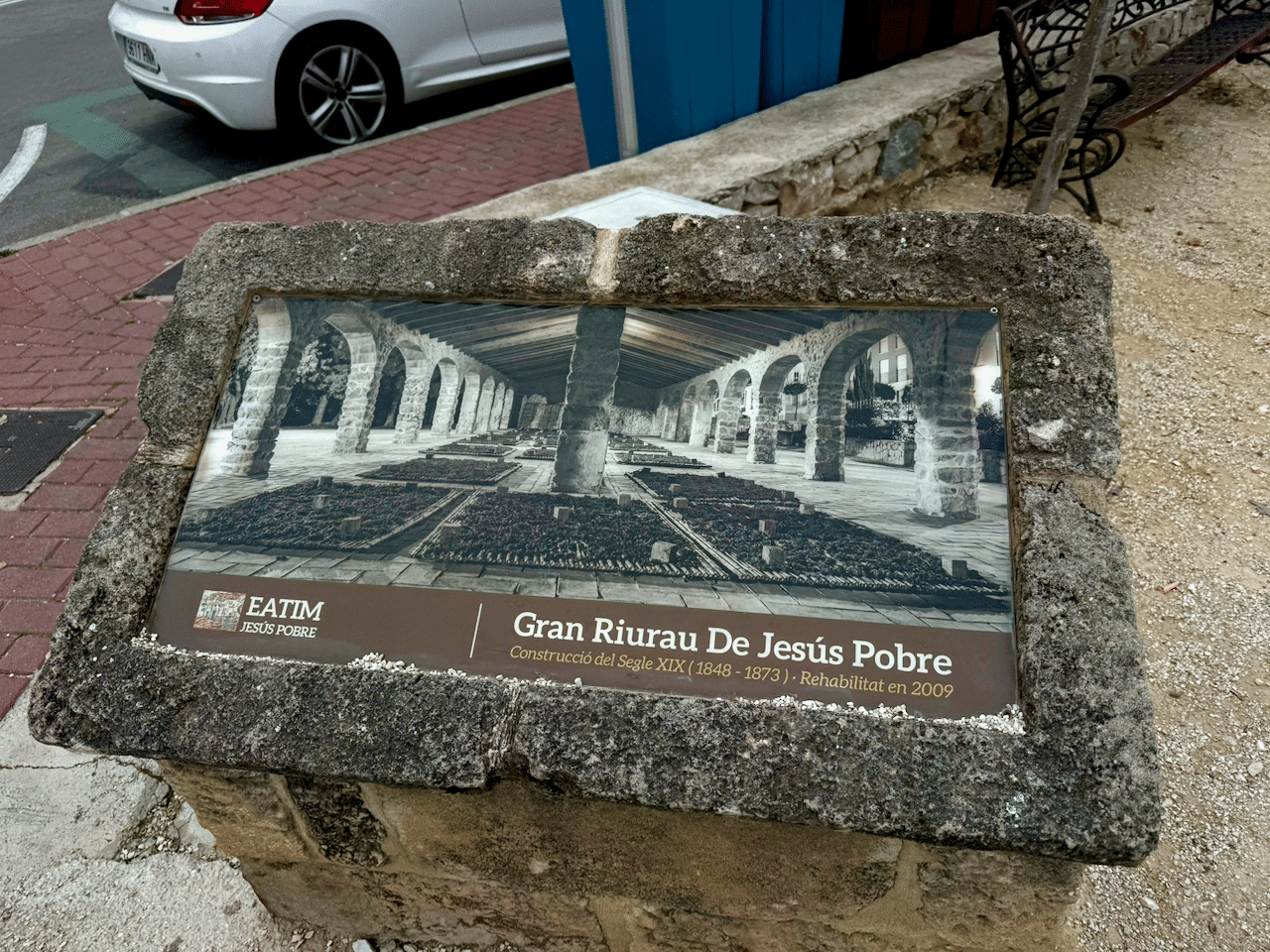
Jesús Pobre
Tiny but full of life, especially on Sundays when locals gather for the Mercat del Riurau, a farmers’ market set beneath old raisin-drying arches. In May or June, the Fira del Vi brings small wine producers from across the Marina Alta.
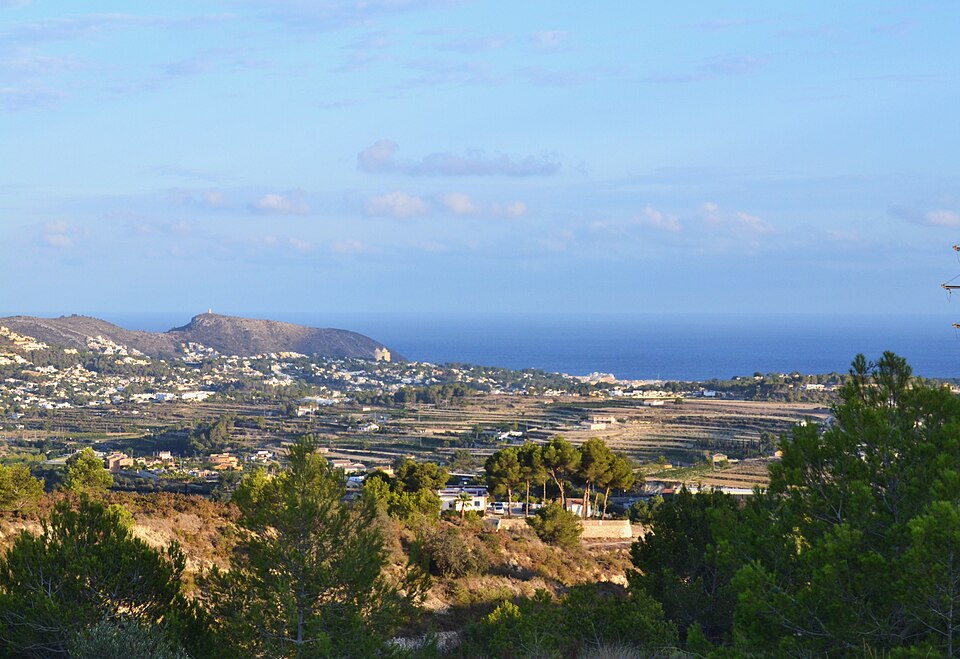
Moraira
A quiet coastal town with a stylish marina and golden beaches. Walk along the Castillo de Moraira, an old stone fortress overlooking the sea, or browse the Friday street market for clothes and produce. The sunset views from the marina are among the best in the region.
For the broader regional picture — the landscape, history, people and culture that frame everything above — see our Northern Costa Blanca overview.

Before Moving
Everything you need to sort before you leave — visas, NIEs, finances and the hundred other things on your pre-move list.

After The Move
What you need to get sorted once you arrive — utilities, healthcare, paperwork and all the practicalities of your new life in Spain.

Property Guide
Here’s what to know about buying property in Spain as an American — from your first search to signing at the notary.

Resources
Checklists, glossaries and vetted websites to help you plan, prepare and hit the ground running in Spain.

Our Journey
Follow along as we document our move from Portland, Oregon to Jávea, Spain — the highs, the headaches and everything in between.
This page last updated: